
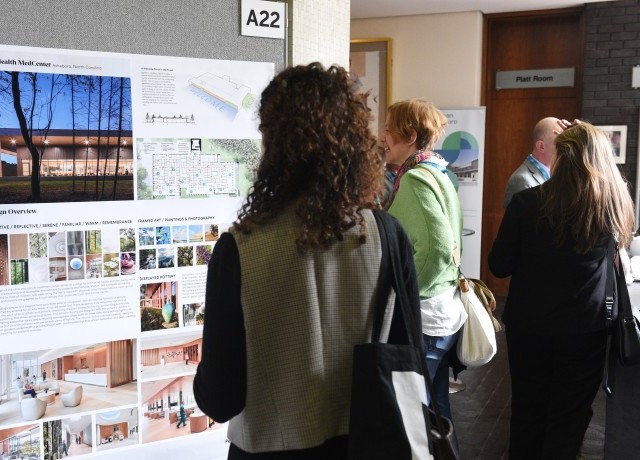
Knowledge Zone: Video+Poster Gallery
The Video+Poster Gallery, in the Knowledge Zone, gives delegates an opportunity to explore the latest research projects and design schemes.
Supported by AECOM, each poster is paired with a five-minute pre-recorded video by the authors, providing a detailed narrative and bringing the poster to life. The videos will be accessible through the mobile app and event platform, allowing delegates to watch them on their personal devices while viewing each poster. Additionally, delegates can connect with the authors via the chat function on the app to learn more.
Sponsored by

Theme: Population health

Mina Sadat Tabatabaee

Hassan Sadeghi Naeini
Health-based product design for sleep and circadian rhythm: An approach to biosignal application
Abstract Copy
The body’s circadian rhythm is a fundamental biological system that synchronises physiological processes with natural environmental cycles. It regulates sleep–wake patterns, hormone secretion, metabolism, immune activity, and cognitive performance, thereby maintaining energy balance and overall wellbeing. Disruption of this rhythm – caused by disease, irregular lifestyles, or shift-work schedules – can lead to sleep disturbances and diminished cognitive efficiency. The aim of this study was to examine the application of biosignals (biometric signals) to derive evidence-based design principles for products intended to support sleep quality and circadian rhythm alignment.Methods: This descriptive cross-sectional study employed two complementary approaches: 1) a systematic review of the literature combined with an analysis of existing sleep-oriented products; and 2) the direct utilisation of biosignal data to establish effective criteria for designing an assistive product aimed at improving sleep quality.
Results: The analysis demonstrated that integrating multiple biosignals into product design substantially enhances the precision of sleep-state assessment and user feedback. Multisensory feedback mechanisms – including light, sound, and thermal modulation – were shown to support circadian rhythm alignment and improve sleep quality. Designs grounded in users’ cognitive models were more likely to be accepted and effectively used. The integration of diverse physiological data enables more accurate and intelligent estimation of circadian phases and sleep stages, thereby allowing regulatory interventions, such as ambient light adjustments or sleep-timing recommendations, to be delivered in a smart and personalised manner.
Conclusion and implications: The use of biosignals in sleep-related product design provides a robust interface between industrial design, cognitive science, and neurotechnology. This integration enables the development of personalised, data-driven solutions that promote cognitive health and enhance sleep quality. The proposed design principles can serve as a practical framework for advancing digital health solutions within smart healthcare environments.
Learning Objectives
- Participants will learn how to apply physiological data (biosignals) directly to define product design principles aimed at improving sleep quality and regulating the circadian rhythm.
- Participants will be able to understand the importance of multi-sensory responses (such as light, sound, and thermal feedback) in sleep product design and their effect on regulating the body's biological clock.
- Participants will be introduced to practical frameworks for developing Digital Health tools that integrate design, cognitive, and neuro-sciences to offer personalized sleep solutions.

Isabella Villegas

Cynthia Damar-Schnobb
The Campus of Care: An ecosystem approach to non-institutional senior living in the urban core
Abstract Copy
The Rekai Centre at Cherry Place, Campus of Care, is a long-term care home in downtown Toronto that challenges the institutional stereotype by prioritising resident dignity, identity, and wellness through experiential design and urban integration.Centred on the Campus of Care, this project integrates healthcare, education, inclusivity, and community connection. Situated in a vibrant mixed-use neighbourhood close to the waterfront, this ‘first-of-its-kind’ facility positions seniors in the heart of a vital and emerging urban area and serves as a model for designing for resilience and community integration in the healthcare sector.
This paper will explore how non-institutional architecture and ‘domestic-scale’ elements, including smaller room clusters, natural light, and the Rainbow Wing for 2SLGBTQI+ seniors, foster a sense of belonging and community connection. Further, the wayfinding programme presented a fascinating design challenge of creating a space that feels like home while still meeting rigorous institutional standards and codes. Traditional healthcare wayfinding, with its reliance on conspicuous institutional signage would not create the desired outcome.
Strategic wayfinding tools that support person-focused, home-like familiarity – elements that demonstrate improved outcomes and are particularly important for those living with cognitive decline – needed to be thoughtfully considered. We will discuss strategies for designing a familiar, welcoming, home environment that incorporates solutions for linear wayfinding needs (strategically placed signage and wayfinding information) with the support of well co-ordinated spatial wayfinding elements (architectural features, murals, and bright colours) to ensure an intuitive user journey. Strategies that make the environment more accessible and engaging will be a focus: use of effective contrast ratios, font size, colour, pictograms, signage placement, and material selection.
The Rekai Centre at Cherry Place also delivers health and wellbeing through greater collaboration of multiple interconnected partners. It provides community town hall space to facilitate meetings/events, culturally sensitive services, innovative healthcare solutions, and learning opportunities, along with a dialysis clinic and lab services open to the public, and a partnership with Humber College for a co-op training programme, embedding it into the community fabric. This symbiotic relationship increases neighbourhood density, creates jobs, and integrates residents into a diverse, stimulating environment, directly combating the isolation often faced in conventional models.
The Rekai Centre's goal is to establish a superior model for healthcare design through their compact, 13-storey Campus of Care. This project demonstrates a powerful ecosystem approach to effectively combine and deliver care services, while actively promoting the development of healthy, interconnected communities.
Learning Objectives
- Discuss architectural and experiential design strategies for designing a healthcare facility using a non-institutional approach.
- Explore wayfinding and experiential design strategies that support stress-free navigation for seniors with different visual, auditory, mobility, and cognitive abilities.
- Examine innovative architectural, programming, and service-oriented methods for integrating a long term care residence within an urban neighbourhood.

Cheryl Riotto

Aliko Ahmed

Helen Gilpin

Yvonne Parkes

Philippa Dent

Helen Green
Creating a healthy hospital for the future: An enhanced framework and implementation toolkit to improve population health
Abstract Copy
Background: The New Hospital Programme (NHP) has an opportunity to change the way the NHS delivers hospital care, ensuring it meets the changing needs of the communities it serves.Through a collaborative partnership between the NHP, the Provider Public Health Network and the NHS England Public Health Team, this project aimed to develop an enhanced framework and implementation toolkit outlining key priorities and opportunities to create a healthier, more inclusive and more resilient NHS hospital that can achieve better health outcomes for everyone. The framework draws on existing guidance and literature to outline best practice for the future and is intended to support all NHS Provider Trusts to implement meaningful improvements in line with the strategic ambitions of the NHS Ten-Year Plan.
Methods: We undertook an initial consultation with public health and clinical experts to establish a consensus on the framework scope. An iterative process was used to develop and refine the framework. This included literature searches, engagement and consultation with professionals and those with lived experience, and review of case studies.
The key objectives were: 1) to review existing examples of innovation and best practice; 2) to identify key opportunities for transformation and improvement; 3) to develop a roadmap to achieve better health outcomes for everyone; 4) to guide future research to support evidence-based changes to design, policy and practice; and 5) to support trusts in planning, implementing, and evaluating improvement activities in each of the priority areas identified in the framework.
Results: A conceptual framework and implementation toolkit were developed that identified five key priority areas for future NHS hospital provision: 1) to shift the focus from prevention to treatment; 2) to support a healthy and sustainable workforce; 3) to improve health equity; 4) to act as an anchor institution; and 5) to promote a therapeutic and inclusive environment.
Summary: Nationally, the framework has the potential to drive system-wide improvements by promoting a patient-centred, inclusive and sustainable healthcare system and aligning hospital care with broader NHS and public health strategic priorities.
This work serves as a foundation for future policy development, design and research to achieve high-quality, safe and equitable hospital care. Incorporating the framework into the business case and operating models for NHP new hospital schemes will help drive best practice nationally and ensure that population health remains front and centre in the development, design and delivery of the future NHS hospital.
Learning Objectives
- Building an awareness and understanding of how a comprehensive approach to population health can be used to drive the design, planning and delivery of healthier, more inclusive and more resilient NHS hospitals
- Supporting collaborative leadership and partnerships to embed the hospital within the wider community and improve the health and wellbeing of the population
- Outlining key priorities and opportunities in relation to infrastructure, estates, procurement, workforce and clinical care to mobilise change and improvement and create a safer, more efficient and more resilient NHS hospital for the future

Lynne Wilson Orr

Rachael Newbury
Beyond treatment: Creating a holistic health ecosystem for children
Abstract Copy
The redevelopment of the Grandview Children’s Treatment Centre (GCTC) represents a significant advancement in paediatric healthcare, integrating architectural design, clinical practice, and strategic planning to improve outcomes for children with complex physical, developmental, and sensory challenges. This project responds to the growing need for community-based, multidisciplinary care and applies evidence-based design principles to create a facility that actively supports treatment, prevention, and long-term wellbeing. Input from therapists shaped architectural elements that contribute directly to diagnostic and therapeutic processes.The design addresses social determinants of health by creating inclusive, accessible spaces that reduce barriers for diverse families, including low-income households, recent immigrants, and children with neurodevelopmental disorders. Sensory-responsive environments, natural light, and outdoor therapeutic spaces promote emotional regulation, physical activity, and cognitive engagement, aligning with preventive health strategies beyond clinical interventions. These principles extend to the elementary school integrated within Grandview Kids, reinforcing continuity between education and rehabilitation.
The intersection of architecture and clinical medicine is evident in features such as sensory zoning, acoustic control, and transitional spaces that support therapeutic goals for children with autism and mobility challenges. Design elements – including rounded windows with seating and tunnels for mobility devices – create interconnected spaces that foster confidence and independence. Operational efficiency is achieved through strategic adjacencies, flexible therapy rooms, and technology-enabled wayfinding systems, enhancing patient experience and clinical workflows. The design accommodates developmental diversity, serving infants through adolescents approaching adulthood within a cohesive, age-sensitive environment.
Investment in GCTC reflects a commitment to sustainability and equity. Adaptable spaces, durable materials, and energy-efficient systems reduce lifecycle costs while supporting evolving models of care. Outdoor classrooms, sensory gardens, and community gathering areas foster resilience and social connectedness – critical determinants of population health – positioning the centre as a regional hub for paediatric rehabilitation and family support.
Ultimately, the GCTC redevelopment demonstrates that architectural design and health planning are inseparable from clinical excellence and fiscal stewardship. This integrated approach transforms the treatment centre into a holistic health ecosystem wherein architecture operates as a therapeutic instrument, investment advances equity, and planning ensures continuity of care. The result is a future-ready facility that embodies hope, belonging, discovery, and celebration – advancing the health and potential of every child it serves.
Learning Objectives
- Understand the Role of Evidence-Based Design in Paediatric Healthcare
- Analyze Strategies for Enhancing Accessibility and Inclusivity in Healthcare Environments
- Examine the Role of Integrated Design in Supporting Evolving Models of Pediatric Care

Sophie Hockin
The role of the built environment in supporting community renal programmes
Abstract Copy
The prevalence of chronic kidney disease (CKD) in North East London is increasing. CKD is a costly disease for the NHS to treat and comes at a high risk to patients. For example, up until a certain stage CKD can still be treated without the need for dialysis or a transplant. Air pollution has been correlated with the risk of developing Type 2 diabetes, as there is evidence that the fine particles contained within pollution can trigger insulin resistance and inflammation (Ratter-Rieck et al, 2023), which prevents the body from removing glucose in the blood and turning it into energy. Type 2 diabetes is a key driver of CKD. If external factors such as air pollution are exacerbating the condition it is possible that more people will develop CKD through external factors difficult to control. Ultimately, if CKD is not controlled it will lead to kidney failure, which results in a patient being on a dialysis for a considerable period of time and patients often die waiting for a kidney transplant. Anything that can be done to prevent CKD developing into the later stages of disease should be done.On the basis of the increasing body of research in relation to the impact of air pollution on the development of diabetes, from a prevention perspective, the built environment offers a massive opportunity to support NHS services and is currently not maximised to the extent that it needs to be. This paper will explore the opportunity that the built environment offers to reduce the prevalence of CKD within populations, through reducing air pollution and making the built environment more accessible.
Moving care from hospital to community is one of the three key shifts of the NHS Ten-Year Plan. The paper will explore the barriers that the built environment poses to treatment, particularly in relation to providing care closer to home in the form of at-home haemodialysis. It will also go on to examine some of the challenges of developing community renal facilities within an ageing and complex estate. The paper will also detail the success of the relocation of a renal unit, from an acute setting (Queen’s Hospital) to a community setting (St George’s Health and Well Being Hub). Finally, the paper will examine what we can learn in North East London from approaches to community delivery from elsewhere in the world, such as Australia.
Learning Objectives
- The impact of air pollution on the prevalence of CKD and need to reduce air pollution to prevent Type 2 Diabetes
- How the built environment and particularly people's homes can drive inequality in the treatment of CKD.
- The estates requirements of a new renal facility and the infrastructure required to support this.

Jack Sardeson
Prototyping the high-street integrated care hub (HICH): A reuse-first, ecosystem-based method for neighbourhood health infrastructure
Abstract Copy
The NHS is under pressure to shift care closer to home while reducing carbon and capital burden. This paper tests the hypothesis that “retrofit-first” high-street integrated care hubs can simultaneously support integrated neighbourhood care, unlock capacity in acute estates, and contribute to place-based regeneration.Methodology: Using an ecosystem-oriented design research methodology, the study triangulates (i) national health, deprivation and accessibility datasets; (ii) local policy and asset intelligence; and (iii) multidisciplinary workshops with local authority, integrated care board and subject-matter experts. The approach is then stress-tested through a real-site prototype: repurposing a 1920s department store on Hastings High Street into a c.2,700 sqm high-street integrated care hub (HICH) consolidating primary, community, mental health, VCSE and diagnostics functions.
Results: The research defines the HICH as a typology consolidating out-of-hospital day services across health, social care, primary care, VCSE and research into a single, town-centre “one-stop shop” delivered through adaptive reuse. The resulting prototype sets out a c.2,700 sqm facility, including multidisciplinary frailty assessment, co-located diagnostics, rehabilitation, outpatient/primary care consultation, community respite, shared staff/research space and a restorative garden. Ecosystem mapping demonstrates how relocating selected outpatient/frailty activity can relieve acute-site pressure while capitalising on existing town-centre transport and civic networks – an estates logic that directly supports the intended “hospital to community” shift.
Conclusions and implications: Reuse-led HICH prototyping offers a replicable method for translating national integration ambitions into feasible architectural propositions that are legible to integrated care boards and local planning authorities. It is particularly timely given the Government’s neighbourhood health programme (service co-location under one roof, extended access) and the draft NPPF’s strengthened direction of travel on retrofit and reactivation of under-used buildings – together creating a policy window for high-street healthcare reuse as both a care and carbon strategy.
Learning Objectives
- retrofit-first
- neighbourhood health centres
- health estate strategy

Bob Wills

Lianne Knotts
Proven precedent and blueprint principles for neighbourhood health centres
Abstract Copy
The NHS 10 Year Health Plan for England (July 2025) sets out a vision for a neighbourhood health service that brings care closer to local communities, with a strong focus on prevention, enabling hospitals to concentrate on delivering world-class specialist treatment.For 34 years, Medical Architecture has played a role in pioneering proactive and integrated community healthcare facilities. This led to involvement in national initiatives to develop blueprint models for the next generation of this building type. Working with principles and lessons learnt that are well placed to inform the delivery of 250 new neighbourhood health centres. This presentation outlines these principles, drawing on case studies.
Proven outcomes: Completed in 2018, the Jean Bishop Integrated Care Centre was the first of a new class of NHS community facilities designed to meet the needs of an ageing population by providing out-of-hospital care and reducing hospital admissions. The centre integrates a range of specialist health, care and social services, enabling a holistic approach to wellbeing. Clinical research has demonstrated its impact: frail patients treated at the centre are 50-per-cent less likely to require emergency care. Six years after completion, the project won the EHD Sustainable Development Award and has since been referenced in national policy discussions on neighbourhood health centres.
Development of blueprint models: In 2018, Medical Architecture was commissioned by NHS England and NHS Improvement to support the New for Old Community Hubs Programme, developing a blueprint for modern, flexible community healthcare infrastructure. The programme defined three scalable hub types, underpinned by standardised yet adaptable planning components, modern methods of construction, sustainability, digitisation and patient-centred design. This work informed the Cavell Centre programme, for which we helped develop the national design guide and delivered one of six pilots, incorporating a pioneering Passivhaus approach to healthcare design.
The model in practice: We are currently applying these principles to two new integrated community hubs for Midlands Partnership NHS Foundation Trust. One optimises an existing hospital estate, including a Grade II listed building; the other regenerates a disused site. Both prioritise daylight, access to green space and social prescribing, demonstrating the flexibility and replicability of the model.
Existing estate optimisation: Delivering 250 neighbourhood health centres will also require unlocking the existing NHS estate’s potential. We will demonstrate how the digital application of data is informing space optimisation and development scenarios to transform existing facilities alongside new development.
Learning Objectives
- It has been proven that purpose-designed community healthcare facilities that integrate health, care and social services can significantly reduce pressure on acute hospitals.
- Nationally developed blueprint models provide a robust foundation for the development of Neighbourhood Health Centres.
- Patient-centred design principles are not aesthetic extras but core enablers of wellbeing, social prescribing and prevention.

Cate Mentink
Reimagining care closer to home
Abstract Copy
The NHS ten-year plan places neighbourhood health services at the forefront of its long-term strategy, cementing the “left-shift” agenda of delivering care closer to people’s homes and reducing reliance on acute hospitals. Far from simply shifting as much activity out of hospital into “more affordable” facilities, there is a real opportunity for the neighbourhood health centres (NHCs) to address health inequalities, improve population health outcomes and ultimately contribute to the Government’s wider economic growth ambition.We believe real and sustainable improvement in healthcare is best delivered through a value-based care (VBC) model, where success is measured by outcomes rather than purely operational-based metrics. A compelling example of VBC in the community setting is Whānau Ora, which provides a powerful case study for reimagining primary care in a way that aligns closely with international moves towards value-based care. This New Zealand-based approach centred on whānau wellbeing, cultural identity, and self-determination, and is delivered through Whānau Centres that operate as integrated, one-stop hubs for health and social needs.
The Whānau Ora model demonstrates how holistic, person and family-led approaches can produce improved health and social outcomes. Its integrated use of navigators, multidisciplinary support, and community-based interventions mirrors the essential elements of value-based primary care: prevention, coordination, and outcomes rather than volume. As health systems shift toward equity-focused, digitally enabled, team-based care, Whānau Ora offers a practical, culturally grounded example of how these principles can be operationalised.
This presentation will draw on our insights from previous healthcare planning and transformation projects in the UK and internationally, including Whānau Ora, and explore how these lessons inform our approach to planning NHCs. We will present a practical toolkit that is underpinned by service transformation, starting with patient journey mapping and workforce modelling, leading to development of new and integrated health service roles, and outcome-based co-design with service users and providers. This approach seeks to address not only organisational challenges – such as digital advancement and workforce shortages – but also the broader social determinants of health that shape outcomes for the populations the NHCs are designed to serve. By aligning service design, workforce models and the built environment around value and equity, NHCs can become a foundation for a sustainable healthcare to meet the growing complexity of community health needs in the UK and other countries.
Learning Objectives
- Planning toolkit for a neighbourhood health centre
- Planning for a facility to deliver value-based care model in the community
- Lessons learned from service users and providers

Jo Morrison
Designing for social thickness: Community hospitals as hubs of shared celebration, local enterprise and neighbourhood care
Abstract Copy
This paper examines how a community hospital can operate as active social infrastructure by hosting shared celebrations that build what we term social thickness: the dense, interwoven relationships that support resilient neighbourhoods and preventive approaches to health. Using a case study of a Christmas Fayre held in a community hospital in South West England, the paper explores how convivial, voluntary and low-cost activities can transform a clinical setting into a site of multigenerational encounter, local enterprise and collective care.The Fayre brought together a wide cross-section of the community: young children performing as majorettes; small independent entrepreneurs running craft and food stalls; volunteers managing the event and offering support; choirs and community groups providing entertainment, and a visiting PAT dog creating moments of joy for patients and families. A Santa’s grotto, staffed by volunteers, acted as a playful focal point for intergenerational interaction. Notably, patients from the stroke rehabilitation ward were supported to join the festivities; encountering neighbours, local schoolchildren and staff in a shared, non-clinical context. Members of the hospital workforce played a significant role, contributing time, creativity and organisational care that blurred the boundary between formal healthcare provision and community participation.
Through qualitative observation and interviews, the case study examines what such events reveal about the potential evolution of community hospitals. Firstly, the Fayre demonstrates how celebration can operate as a form of preventive care; strengthening social connection, belonging and mental wellbeing – factors that underpin healthier communities. Secondly, it highlights how multigenerational participation generates resilience by activating relational networks that extend beyond the hospital walls. Thirdly, the event shows the adaptability of community hospital estates, when viewed not solely as clinical infrastructure but as flexible civic spaces capable of hosting commerce, culture and care simultaneously.
The findings suggest that designing hospitals for social thickness involves reimagining the estate, adjusting operational norms and recognising the therapeutic value of conviviality. Community hospitals are often positioned between primary and acute care and are well placed to act as neighbourhood hubs, where wellbeing is co-produced. This case study argues that low-barrier, community-led celebratory events can strengthen the hospital’s role as a connector, reduce social isolation, and model a more relationally oriented approach to health systems. The paper concludes with design principles and organisational considerations for embedding such practices within everyday healthcare environments.
Learning Objectives
- Participants will be able to explain how community hospitals can function as active social infrastructure.
- Participants will be able to recognise how flexible use of space, low-barrier activities and collaborative practices can transform hospitals into adaptable civic hubs of care, culture and local enterprise.
- Participants will see how multigenerational, community-led involvement within the hospital estate, can create stronger connections and improve wellbeing for those involved.

Craig Booth

Andrew Baillie

Fiona Greer

Richard Mann
Glasgow’s new front door – Parkhead Integrated Health and Care Hub
Abstract Copy
NHS Greater Glasgow and Clyde (NHSGGC) is the largest NHS board in Scotland. The services and facilities within Parkhead Hub (PH) serve Northeast Glasgow’s population of over 176,000. While regeneration programmes have occurred in the region, the local population remains one of the most deprived in Scotland with major problems of poor health and poor quality of life.To transform the assessment and delivery of health and social care services, a new model of service delivery was needed. It was clear early intervention, prevention and harm reduction would provide greater self-determination and choice, shifting the balance of care and enabling independent living for longer across Northeast Glasgow. The new service delivery model conceived covers services to children and adult groups. The services offered include GPs, social care, mental health, sexual health, dental care, addictions, criminal justice, homelessness and health improvement activity, delivered by a range of public and third-sector organisations. Co-located alongside a public library, pharmacy and cafe, the Hub functions as a focal point for community connection, health and wellbeing
The building design took the next step in evolving the health hub model pioneered by GGC. Its location at the heart of the community allows visitors to access the multiple services through the single front door. The single front door was a conscious choice. It anonymises many of the vital care giving services to support the entire community: reducing stigma, improving dignity, and encouraging access to support at earlier stages of need.
The design embodies a deep commitment to community collaboration throughout both planning and construction. Patients, local residents, voluntary organisations, councils, and NHS staff actively co-created the Hub, shaping everything from spatial adjacencies to material choices. Young people and community members also played a central role in developing an art strategy that personalises the building and fosters a sense of ownership. This was supported by an early decision to allocate 1 per cent of the capital budget for this purpose. These extensive consultations ensured the Hub was not only for the people but truly by the people
Since opening to the public in January 2025, PH has been widely recognised for its innovation, design quality, and community impact, winning national honours. It has been praised by Scotland’s First Minister as an “excellent example” of delivering health and social care in a “more convenient way”.
Learning Objectives
- Flexibility and adaptability: Designing healthcare buildings with flexible layouts, bookable rooms, and agile spaces allows rapid response to changing service needs and supports digital and multi-disciplinary care.
- Integrated services and community focus: Co-locating health, social, and community services in accessible hubs improves care pathways, encourages multi-disciplinary working, and creates spaces for community use and wellbeing.
- Sustainable, cost-effective design: High-quality, low-carbon healthcare environments can be delivered within budget through standardised design, stakeholder engagement, and long-term value planning.

Orly Atzmon

Meagan E Crowther
Christie J Bennett
Margot Davey
Sean P A Drummond
Rachel Manber
Ben W Mol
Duncan Mortimer
Daniel L Rolnik
Jenny Ryan
Joshua F Wiley
Bei Bei
Denise O’Connor
Factors influencing sustainable implementation and scale-up of Cognitive Behavioural Therapy for Insomnia (CBT-I) in the perinatal community
Abstract Copy
Introduction: Perinatal insomnia is a prevalent sleep concern which negatively impacts maternal and infant health. Although CBT-I is the recommended first-line treatment for insomnia, it is not routinely implemented in perinatal care in Australia. This study explored the factors (i.e., barriers and facilitators) influencing sustainable implementation and scale-up of CBT-I in perinatal care, as investigated in the SHINE (Sleep-Health-in-Perinatal-Care) hybrid effectiveness-implementation type 1 randomised controlled trial.Methods: 507 pregnant females were randomised to either CBT-I or active control. CBT-I was delivered online through psychologist-led sessions and digital multimedia materials. Of
those randomised to CBT-I, 26 completed a qualitative semi-structured interview at six months postpartum exploring factors influencing implementation. 17 key stakeholders
(including obstetricians/gynaecologists, general practitioners, midwives, lactation consultants, researchers, psychiatrists and psychologists), and four clinicians who delivered
the program also completed interviews. Interview guides were developed using implementation science theoretical frameworks. Interviews were analysed thematically and mapped to the theoretical frameworks to identify implementation barriers and facilitators.
Results: Preliminary implementation results show that most participants found CBT-I beneficial, reporting improved sleep, wellbeing, and strong understanding of CBT-I strategies. This was supported by clinicians, with majority observing sleep improvement during delivery. Most participants valued the online delivery of the program and the flexible access to materials which enhanced convenience, enabled use at times that suited them, and supported sustained engagement during postpartum (mapped to opportunity domain from Capability-Opportunity-Motivation-Behaviour model). Some participants expressed a lack of support during the postpartum period, a concern echoed by majority of clinicians who noted the need for additional structured follow-up/check-ins to enhance participant support. Social support was identified by participants and clinicians as a key facilitator of CBT-I adherence, while its absence was perceived as a barrier. Lastly, most stakeholders emphasised the need for a clear and efficient referral and screening process, including well-defined eligibility criteria, easy-to-use-tools, and a streamlined referral pathway. They also highlighted the importance of maintaining referral engagement through transparent communication of program effectiveness and feedback on participant outcomes.
Discussion: Participants and clinicians found CBT-I to be useful, with its flexible digital delivery facilitating sustained strategy engagement. Additionally, clear referral and screening pathways, coupled with ongoing stakeholder communication is likely to be critical for scalability. Key barriers and facilitators, such as maintenance treatment postpartum, perinatal stage and social support, can inform the design of a tailored implementation strategy to accelerate sustainable implementation and scale up of CBT-I into routine care.
Learning Objectives
- To explore barriers to sustainable implementation and scale-up of Cognitive Behavioural Therapy for Insomnia (CBT-I) in the perinatal community
- To explore facilitators to sustainable implementation and scale-up of CBT-I in the perinatal community
- Describe the acceptability and appropriateness of CBT-I for the three target groups, and implications for its implementation and sustainability in the community.
Theme: Health planning and investment

Emma Ingham
Burn the masterplan: Rewriting the rules of health-led regeneration in Lancashire and beyond
Abstract Copy
Sometimes, the only way to unlock a site’s potential is to start at the end, not the beginning, and question every masterplanning ‘rule’ we’ve inherited.For too long, public-sector land has been treated as a quick fix for budget shortfalls. But selling off assets to bridge financial gaps isn’t strategy – it’s a failure of stewardship. Similarly, when aspirations outpace deliverability, uncertainty paralyses decision-making, leaving land idle or sold instead of reimagined. Today, disposal and stagnation must give way to purposeful, creative regeneration – where public assets actively deliver equitable, resilient, and increasingly democratised wellbeing infrastructure.
Imagine public spaces that de-stigmatise, foster belonging, and build genuine social connection. Imagine land that meets statutory responsibilities while enabling agile, thriving civic health. Imagine a masterplan with deliverability at its core – not a pretty document that collapses at the point of action.
A site in Lancashire: A 106-acre NHS site with over a century of heritage sat largely unused. The local ambition was clear: activate it for health creation, recovery and regeneration. A blank canvas. Nearly unlimited possibilities. Exciting, yes. But like so many projects, it risked the paradox of choice – drifting towards reactive disposal or stagnation without the right vision.
So how do you decide what to do? Enter Loxie.
We don’t masterplan first. We un-plan first. We deconstruct. We dismantle traditional processes, invert perspectives, and reconstruct conventions to uncover hidden opportunities. For sites large and small, we use Land Canvas – our simple RAG-rated strategic framework – to reveal what’s truly possible by aligning vision, policy, partnerships, and delivery potential from day one.
Our approach:
• deconstruct assumptions;
• invite discussion, imagination and idea sharing;
• listen like the future depends on it;
• distil priorities to their essence; and
• build shared purpose and direction.
Early focus creates creative confidence. Clarity gives designers and architects purpose and direction, rather than leaving them relying on assumptions. Health-led regeneration becomes real, not aspirational. This is more than mere planning or site development. It is health-led regeneration, restorative wellbeing, and the creation of truly agile and adaptive healthy infrastructure.
Passion builds, partnerships form, investment follows, and health grows. Lancashire proves that when we flip the script, public land becomes the foundation of tomorrow’s healthy infrastructure – nationally scalable but locally agile and responsive.
To build a healthier future, sometimes we must burn the traditional masterplan and start again.
Learning Objectives
- Rethink traditional master planning - how deconstructing conventional planning processes can unlock hidden opportunities in public sector land
- Apply creative frameworks for impact
- Integrate vision with pragmatic action

Zahra Alali

Fatimah Almarhoon

Manar Albahrani

Ghaydaa Hemaidah

Asma Alyami

Zahra Alomani
Healing through design: The impact of spatial layout on patient recovery and staff efficiency in Saudi Arabian hospital wards
Abstract Copy
Background: The built environment is widely recognised as a key determinant of human wellbeing, and this influence is particularly evident in healthcare settings. Hospital spatial layout can shape patient experiences and staff performance; however, within the Saudi Arabian context, its specific role remains insufficiently explored, especially in relation to patient recovery and the efficiency of healthcare delivery. This gap in knowledge highlights the need for a focused examination of how spatial organisation affects daily interactions and operational performance within hospital wards.Aim: To examine how spatial organisation within hospital wards affects daily interactions, patient recovery, and staff work efficiency in both public and private hospitals in Saudi Arabia.
Method: The study draws on a review of existing literature and employs a structured questionnaire to gather perceptions from patients with prior hospitalisation experience and medical staff regarding spatial factors in hospital wards, including distance, noise levels, and opportunities for communication. Data were collected from both public and private hospitals in Saudi Arabia. This approach enables a detailed evaluation of how spatial configuration influences healthcare experiences and functional performance from different user perspectives.
Results: The investigation revealed significant correlations between spatial configuration, particularly room arrangement and distances between key functional zones, and several outcomes, including reduced noise levels, improved communication among staff and patients, enhanced patient recovery, and greater staff productivity. The findings demonstrate that even subtle variations in spatial layout can influence routine clinical activities, environmental conditions, and patient perceptions of care quality.
Conclusion: This study provides empirical evidence that can inform future medical facility planning in Saudi Arabia and support the design of healthcare environments that promote both patient recovery and staff productivity. By demonstrating the influence of spatial layout on user experiences and operational efficiency, the research contributes to the development of optimised hospital settings that enhance wellbeing and elevate the overall quality of healthcare delivery.
Learning Objectives
- Identify key spatial factors influencing patient and staff outcomes.
- Evaluate how ward layout supports recovery and staff performance.
- ecognise the role of evidence-based design in enhancing hospital environments.

Lienelle Geldenhuys

Cristiana Caira
Standards, guidelines, and the spaces between: How the UK and Sweden shape hospital design
Abstract Copy
Across Europe, health systems approach hospital design through very different relationships with standards, guidelines, and design governance. This presentation compares two contrasting national models, the UK’s highly standardised approach and Sweden’s delegated, guideline-based “dynamic planning” model, and explores how each influences quality, innovation, repeatability, and responsiveness to local needs.In the UK, national standards such as the Health Building Notes (HBNs) and Health Technical Memoranda (HTMs) establish a comprehensive and prescriptive framework for planning, designing, and delivering healthcare environments. These documents provide clinical, technical, and functional requirements intended to ensure consistency, patient safety, and compliance across all regions. Over the past two decades, successive procurement frameworks have pushed for further standardisation to support efficiency and reduce variation. Most recently, the New Hospital Programme’s “Hospital 2.0” platform has taken this further by proposing a nationally scalable kit-of-parts approach, with repeatable room templates and standardised layouts intended to accelerate delivery, improve quality assurance, and optimise long-term operational performance. While this offers clear benefits, it raises important questions about design agility, regional identity, innovation, and the ability to tailor solutions to specific patient groups or clinical pathways.
In contrast, Sweden abolished mandatory national standards in the early 1990s and established a decentralised model in which responsibility for the planning, financing and delivery of healthcare infrastructure sits with its 21 autonomous regions. National guidelines still exist, grounded in evidence-based design and best practice, but their implementation is entirely optional and negotiated at project level. This “dynamic planning model” results in significant regional variation: a standard room or ward layout may differ not only between regions but between individual projects, shaped through dialogue with clinicians, patients, and project stakeholders. This approach can foster innovation, contextual sensitivity, and strong user ownership, but it may also introduce inconsistency, duplication of effort, and challenges around benchmarking quality across the national system.
By juxtaposing these two models, this presentation examines the practical implications for designers, clinical teams, and project organisations. We explore where standardisation supports safety, efficiency, and workforce experience, and where flexibility allows for genuine innovation and better alignment with local priorities. Ultimately, we argue that future-ready hospital design may require a more nuanced middle ground: a framework that safeguards quality and repeatability while preserving the space for regional differentiation, evidence-led innovation, and meaningful co-design.
Learning Objectives
- • Compare UK and Swedish approaches to standards, guidelines, and design governance.
- • Assess the advantages and drawbacks of standardisation versus flexibility in hospital design.
- • Identify cross-national lessons that support better quality, innovation, and user-centred design.

Tim Roberts

Graeme Flint
Triaging fire risks: A framework for prioritising fire safety defect remediation across healthcare estates
Abstract Copy
All healthcare trusts manage a portfolio of buildings spanning a wide range of ages, construction types, and conditions, and every one of these buildings will have fire safety defects – some minor, some significant, some with little impact, and others potentially affecting the most vulnerable patients. The complexity of addressing these issues is heightened by multiple stakeholders, varying patient vulnerability, and the need to balance disruption to hospital operations with limited funding and resources. While some defects may be well known, others only emerge through systematic review, and the challenge lies not only in identifying and cataloguing these issues but also in prioritising and sequencing rectification works to maintain safety and continuity of care.This paper presents a practical, triage-inspired framework for managing and prioritising fire safety defect remediation across healthcare estates. The approach brings clarity and structure to the process, supporting trusts in making informed, risk-based decisions about fire safety investment and compliance while minimising disruption to hospital operations.
The framework begins with the development of a risk map, informed by engagement with estate stakeholders, review of existing fire safety information, and targeted site familiarisation. This risk map is more than a list, it is a visual and narrative tool that profiles defects by type, location, severity, and operational criticality. By grouping defects into logical work packages and highlighting areas requiring immediate attention, the risk map helps Trusts focus resources where they are needed most.
Subsequent steps involve targeted site inspections and ongoing engagement with fire safety staff, allowing verification and refinement of the risk profile as new information emerges. The framework remains dynamic and responsive, ensuring prioritisation aligns with the realities of a live healthcare environment.
Finally, the risk map evolves into a structured, actionable plan for tendering, procuring, and managing remedial works. It supports sequencing alongside other planned estate activities and helps define competency criteria for contractors. By providing a clear, co-ordinated roadmap, supported by narrative reports and visual dashboards, the framework enables trusts to deliver rectification works safely and efficiently, even within operational hospital facilities.
This approach transforms fire safety defect management from an overwhelming backlog into a manageable, prioritised programme of action, supporting safer and more resilient healthcare environments.
Learning Objectives
- Recognise the inevitability and diversity of fire safety defects across large, mixed-age healthcare estates, and understand the importance of systematic identification and classification.
- Apply a structured, risk-based framework to prioritise fire safety defect remediation, balancing clinical risk, patient vulnerability, operational disruption, and resource constraints.
- Develop strategies for engaging multiple stakeholders and maintaining hospital operations while planning and delivering fire safety rectification works.

Tom Leake

Jane Ho

Suleyman Ekingen

Paul Niblett
Designing for resilience, renewal and regeneration: The structural and civil engineering of Midland Metropolitan University Hospital
Abstract Copy
The Midland Metropolitan University Hospital (MMUH) in Smethwick exemplifies how structural and civil engineering can drive resilience, renewal, and regeneration in healthcare infrastructure. Designed by Curtins, MMUH integrates robustness, adaptability, and sustainability across every layer of its construction – from ground remediation to long-term vertical expansion – aligning with climate-smart and population health principles.In collaboration with HKS, for the overall design and delivery, to optimise future flexibility, the hospital design is based on a single structural planning grid. This accommodates a wide range of clinical and functional spaces and can be easily adapted to support the delivery of new service models and working practices, as medical technology and acute healthcare needs evolve. The structural strategy integral to the clinical design, begins with a rational, modular 7.8 m × 7.8 m grid that spans car park, podium, clinical, and ward levels. The hospital boasts an efficient spatial arrangement with clinical facilities arranged around two internal courtyards. External bracing, originally an architectural feature, enhances stability while reducing internal shear walls, enabling spatial flexibility and future adaptation. Post-tensioned slabs with level soffits ease servicing co-ordination and reduce slab thickness, optimising building height and cladding costs.
The steel-framed winter garden, featuring ETFE pillows, creates a light-filled public space that promotes wellbeing and community engagement. Link bridges suspended from the roof structure form column-free zones and contribute to an elegant structural aesthetic. Foundations and vertical elements are designed to accommodate future expansion, embedding resilience against demographic and functional change.
Civil engineering interventions were equally strategic. Developed on a brownfield site with complex topography and contamination, the design embraced regeneration through land reuse and sustainable drainage systems (SuDS). Rain gardens, permeable paving, landscaped podiums, and planted swales replicate greenfield hydrology, improve water quality, and enhance site ecology. These features support the hospital’s BREEAM ‘Excellent’ rating and long-term climate resilience.
MMUH has catalysed wider regeneration in Smethwick, with ~800 new homes planned and derelict land repurposed via compulsory purchase orders. Civil works reconnect the site to its urban context, healing industrial severance through new highways, access roads, and pedestrian routes.
Together, these engineering strategies demonstrate how infrastructure can support health system resilience, climate adaptation, and community wellbeing. MMUH offers a replicable model for future healthcare environments that integrate technical excellence with civic renewal.
Learning Objectives
- Importance of designing for future flexibility of the new hospital projects
- Importance of adaptable design of the new hospital projects
- The development of new hospitals significantly contributes to local regeneration

Lilian Leistad

Unni Dahl
Updated guideline for hospital evaluation in Norway with focus on pre-occupancy evaluation
Abstract Copy
Background: The Norwegian Hospital Construction Agency, Sykehusbygg HF (SB), has recently published an updated guideline for the evaluation of hospital construction projects. The guideline defines three evaluation stages: pre- and post-occupancy evaluation and evaluation of the planning and construction process. Pre-occupancy evaluation (pre-eval) aims to provide a baseline for comparison with post-occupancy evaluation. Pre-eval may also generate extended knowledge through thorough investigation about how the existing building performs in use.The first objective of this study is to present the updated guideline with a focus on pre-eval. The second objective is to present results from recent thorough pre-eval conducted in accordance with the revised guideline.
Methods: A multidisciplinary project group, including representatives from all four regional health authorities in Norway and Sykehusbygg HF, reviewed 16 evaluations of Norwegian hospital projects conducted between 2018 and 2025. The purpose was to refine and update the evaluation guideline.
In 2025, the updated guideline was applied in pre-eval. Using questionnaires, observations, interviews, document analyses, and statistical data, pre-evals were conducted in six hospitals to examine how architectural design and spatial configuration facilitate efficient workflows and patient pathways.
Results: The updated guideline provides clearer specifications regarding when evaluation should be conducted, who is responsible for financing and carrying out the evaluation, and how results should be used for learning and improvement.
• As a minimum requirement in a pre-eval, the guideline recommends that a baseline measurement must be carried out towards the end of the concept phase.
• If additional knowledge about specific areas or the entire hospital is required to select a building concept that accommodates future workflows and operations, a more comprehensive assessment may be conducted prior to the concept phase.
The pre-eval identified following challenges and opportunities:
• limited visual connectivity between open and secluded areas;
• mixed outcomes regarding shared room utilisation;
• improved inter-ward visibility through less angular layouts;
• corridors with doors enabling sectional closure;
• support rooms located outside ward areas proved less effective; and
• windows enhanced observational capacity
Conclusion: Comprehensive pre-eval of healthcare facilities can ensure alignment with future operational requirements. An assessment of existing hospitals, combined with lessons learned from prior evaluations, provides a robust foundation for the planning process.
Implications:
• Knowledge from thorough investigation should be systematically disseminated to stakeholders involved in participatory processes and integrated into initiatives aimed at organisational development.
• A preliminary evaluation may be initiated before or during the project framing stage and subsequently finalised in the concept phase.
Learning Objectives
- Pre-occupancy evaluation; baseline measurement, and thorough investigation
- Knowledge-based planning of hospitals

Anya Shah
How bricks, beds and bad design shape maternity outcomes
Abstract Copy
Maternity care in the UK is undergoing scrutiny following a series of systemic failures. In response to longstanding concerns, a national investigation led by Baroness Valerie Amos has been launched to examine maternity and neonatal services, with a focus on safety, accountability and systemic reform. This review, announced by Health Secretary Wes Streeting, aims to address failures that have persisted for over 15 years and will culminate in a set of national recommendations.The investigation includes 14 NHS trusts, selected by data analysis and testimonies, and will explore why previous inquiries – such as those into Morecambe Bay and East Kent – have not led to sustained improvements. A key dimension of this investigation is the role of the physical estate and infrastructure in shaping clinical outcomes. Recent reports indicate that over half of maternity and neonatal buildings are rated as unsatisfactory, with 7 per cent posing a serious risk of imminent breakdown. These conditions not only compromise patient safety but also contribute to a toxic culture of cover-up and neglect.
Financial toll signals the depth of the emergency: maternity-related negligence claims cost the NHS over £1.14 billion in 2023/24 alone, with obstetrics consistently representing the highest category of clinical negligence payouts. In response, the Maternity Incentive Scheme (MIS) was introduced to promote safer care through compliance with ten safety actions. However, compliance varies and reverification processes have exposed discrepancies between reported standards and actual practice.
The HBN 09-02 provides best practice guidance for maternity design, including the need for appropriately sized birthing rooms to accommodate emergency equipment and staff movement. However, many existing facilities fall short of these standards, limiting the ability to respond effectively to complications during delivery. For example, studies cited in the guidance show that inadequate room dimensions can obstruct resuscitation efforts for both the mother and baby, directly impacting the chances of survival and recovery.
This research explores the intersection between clinical outcomes and the built environment in maternity care, arguing that infrastructure is not merely a backdrop but a determinant of safety and quality. By analysing the failures in estate design, maintenance and investment, as well as evaluating systems like MIS, this study proposes that targeted improvements in physical infrastructure – such as modernised facilities, better spatial design for emergency response, and integrated digital systems – could significantly improve maternal and neonatal outcomes. The findings aim to inform policy and design strategies that support compassionate, resilient and accountable maternity care.
Learning Objectives
- Understand the challenges in UK maternity care
- Analyse the impact of infrastructure on clinical outcomes
- Assess policy and design strategies for improvement

Anahita Sal Moslehian
Identifying opportunities and barriers to innovation in residential care building design: An Australian e-Delphi study
Abstract Copy
The process for procuring residential care facilities presents critical opportunities for design innovation yet is challenged by various contextual factors, including country-specific policies, regulations, research evidence, care delivery models, organisational practices, and socioeconomic influences. Despite the impact of these factors on the quality of built outcomes, there is little research exploring their impact on innovation in this typology. Defining procurement as four key phases (planning, design, construction, and occupancy), this study aims to provide a holistic understanding of these dynamics in order to identify pathways to design innovation.The study has three objectives: 1) to create a diagrammatic representation of the procurement process for new residential care facilities, highlighting key stakeholders and interdependent components; 2) to identify and prioritise contextual factors that significantly influence innovation in residential care facility design; and 3) to explore the facilitators and barriers to innovation at each step of the process to propose actionable strategies for overcoming them. A multi-method qualitative approach was adopted, incorporating a systematic literature review, analysis of 38 case studies, and a two-round national e-Delphi study with a panel of 32 experts.
The findings offer a foundation for policymakers and stakeholders to critically assess the influence of various factors, reframe power dynamics between key stakeholders, and explore new transdisciplinary collaboration models to foster design innovation. These insights have the potential to advance both research and practice in residential care design, contributing to timely and impactful innovation. Further, the study reveals that many challenges identified in the procurement process are not unique to residential care facilities but reflect broader systemic issues across sectors and building typologies.
Learning Objectives
- Understand the residential care procurement process as an interconnected system across planning, design, construction, and occupancy, and recognise the key stakeholders and power dynamics influencing design outcomes.
- Identify and critically assess the contextual factors—policy, regulatory, organisational, and socioeconomic—that act as facilitators or barriers to innovation in residential care building design.
- Apply evidence-informed strategies to support design innovation in residential care settings by leveraging transdisciplinary collaboration and reframing procurement practices.

Regina Kennedy
Our roles in an age of AI and healthcare everywhere
Abstract Copy
This paper proposes a debate featuring a diverse expert panel about their expectations regarding our roles in developing future health systems and infrastructure.Healthcare planners’, medical planners’ and designers’ roles are changing. In one trend, these roles expand to touch on every element of the built and digital environment. In another trend, many of our routine time-consuming tasks will be automated or AI-generated.
We are past debating the hospital without walls. It’s reality; part of a system that increasingly integrates out-of-hospital care, care management and healthcare prevention. Our reliance on technologies, integration and highly efficient systems create both opportunity and risk: more fragile if a single point of failure has a catastrophic system-wide impact, or more resilient if an integrated system helps maintain flows of care while managing an extreme weather or novel infectious disease-related surge in demand.
Social and nature prescribing require investment in accessible and integrated social infrastructure and natural environments, particularly in areas of deprivation. Likewise, clinically prescribed home improvements. Health promotion becomes an objective town planning consideration and cross-sector business case requirement. In a way, everyday life is medicalised.
Settings for high-risk patients in highly specialised facilities equipped with advanced technologies remain a focus of our professions. The modern hospital is still needed – acknowledging virtual ICU and wards – even while we are called to intervene beyond its boundaries.
Built-in system capacity is needed for dealing with cyber-attacks, extreme surges in demand, and more. In a changing world, whole systems need to be prepared to respond to demanding unexpected or hard-to-predict events. Your home, local high street or shopping mall, transport hub(s), community or neighbourhood centre(s), hubs near your place of work, and your personal device(s): each represents a place where healthcare services can be provided. Designers and planners need to step outside of the traditional boundaries of the hospital to design this complex system of co-ordinated health prevention, management, treatment and care.
Finally, evidence-based design (EBD) principles are applicable to all built environments, although impacts are different for each type of environment, type of use, and category or circumstances of users. Just as the health planning professional gains relevance in town planning owing to social and nature prescribing, so does the designer who brings EBD expertise.
In the age of AI and healthcare everywhere, how can we change our profession and help build healthier societies, before the initiative is taken from us?
Learning Objectives
- How we can employ our skills to build healthier societies
- Making integrated health systems more resilient
- How healthcare planning and design roles are changing, like it or not

Samuel Rose
De‑risking service change ahead of capital build
Abstract Copy
Background: Major capital programmes unfold over multiple years, while models of care, technology and workforce realities shift far faster. Within the New Hospital Programme, significant service change is required to reduce acute bed base and expand preventive and community care. This complex, cross-organisational change must be delivered before opening as part of hospital readiness, activation and commissioning – work that takes years and carries operational, clinical safety and workforce risks if not managed rigorously. A quality management system (QMS) provides the governance, standards and continuous improvement mechanisms needed to de-risk this transformation and is essential in programme directors’ hospital readiness plans.Purpose: To share how leaders of the largest, most complex national capital programmes balance capital delivery with system-wide service transformation, so assets are future-ready and systems resilient through the hospital activation process.
Methods: A facilitated panel discussion with programme directors and health system leaders, structured around:
1. What a QMS is in a health system context;
2. How QMS de-risks service change as part of hospital readiness (linking improvement portfolios to clinical risk controls, workforce capability and commissioning tests);
3. The programme director’s assurance role (interface with system transformation, assurance);
4. Practical starting strategies (how I act on this).
Results: Participants will leave with:
• an understanding of the transformation gap embedded within business case assumptions – making system transformation ahead of opening critical;
• an understanding of a QMS and how it is a core part of hospital activation;
• how a QMS can de-risk the system service change and provide assurance on benefits realisation; and
• practical next steps that programme leaders can take to further define their QMS strategy.
Conclusions: A QMS successfully reduces the delivery risk of a new hospital as part of hospital readiness, strengthening clinical safety, and enabling the left shift and preventive care at scale, so hospitals open into systems already performing the intended model of care.
Learning Objectives
- Understand the "transformation gap" embedded within business cases, why this requires whole system change through "hospital readiness"
- What a Quality Management System is, and how it can de-risk service change ahead of hospital opening
- Practical actions Programme Directors can take to understand and action these challenges.

Eli Moriarty

Evan Rutherford

Jason Mitchell
From two legacy hospitals to one future-ready campus: A case study in resilient transition planning at MMUH
Abstract Copy
The Midland Metropolitan University Hospital (MMUH) represents one of the most significant health investments undertaken by Sandwell & West Birmingham NHS Trust: a decade-long effort to consolidate two ageing hospitals into a single, modern, 736-bed acute campus, designed to improve health equity, clinical quality, and long-term system resilience.While substantial focus was placed on the design and construction of the new facility, a significant test of resilience emerged through the transition, and how to safely relocate thousands of staff, complex clinical programmes, specialised equipment, and vulnerable patient populations from two legacy sites into a fully operational new hospital without compromising care.
This session shares how our transition planning strategy, developed and executed in partnership with the NHS trust and project teams, became a critical bridge between design intent and the real-world transition to the new facility. Supported by an early-stage relocation review, the planning effort identified the organisational, technological, and workforce conditions required to achieve a safe move, establishing frameworks that addressed operational pressures, changing clinical models, and staff wellbeing during a period of significant system strain.
A two-phase relocation model, separating the Sandwell Hospital move from the City Hospital move, was designed to reduce risk, create recovery periods, and support staff adaptability during a period of major organisational change. Over two years of planning, department-level move strategies, equipment transfer plans, and detailed patient move schedules were created for every programme relocating into the new facility. These plans were executed in October and November 2024, over seven and nine-day move windows, culminating in carefully choreographed patient transfer days involving critical care, paediatrics, maternity, neonatal, and general inpatient populations.
Through this workshop, we intend to demonstrate that transition planning is not merely a logistical exercise but also a key aspect of a transition of this nature, supporting staff, protecting continuity of care, and enabling clinical environments to function as intended from the first day of operations. In an era where health systems face rapid technological change, rising workforce pressures, and increasing uncertainty, the MMUH move illustrates how agile, human-centred transition planning can strengthen resilience at both organisational and ecosystem levels.
Learning Objectives
- Demonstrate how a phased relocation model can reduce risk, protect staff wellbeing, and improve system resilience during major service consolidation.
- Describe how early-stage Relocation Reviews can uncover organisational readiness gaps and inform a resilient, evidence-based transition strategy.
- Translate lessons from the MMUH relocation into planning principles applicable to other major hospital redevelopments and health system transformations.
Emma Ingham
The walls we build and the words that build them: Language as infrastructure’s true architect
Abstract Copy
This session argues a simple but profound truth: in health infrastructure, language is treated as secondary, decorative at best. Yet language, more than anything else, is the true architecture of possibility.As healthcare shifts towards neighbourhood-based models, the words we use define whether our systems will become agile and bend, or rigid and break.
The core hypothesis: Language in health infrastructure is constitutive. It shapes what we notice, what we ignore, and what we believe is possible. Shifting from functional, compliance-driven language (scale, efficiency, risk) to relational, creativity-driven language (trust, adaptability, humanity) changes which problems we see, which solutions we legitimise, and how resilient – or fragile – our systems become.
Relationship to existing thinking: Drawing on linguistic relativity and organisational sense-making, this session positions language as the strategic lever for change. Words create spatial, operational, strategic, and iterative adaptability, allowing systems to pivot, flex, evolve and innovate.
The contribution: Unexamined language limits imagination, reinforces rigidity, and stifles innovation. But small, intentional shifts – centred on storytelling, human connection, and creative possibility – can unlock agile, integrated, and preventive systems that adapt to people, communities, and the world around them.
This is not a pitch. It is an invitation to interrogate the words shaping infrastructure, notice hidden assumptions, and explore what becomes possible when curiosity, creativity, and language converge.
Change does not start with buildings, funding, or technology. It starts with language.
And if we are brave enough to rewrite our words – to think relationally, creatively, and critically – we can rewrite the future of healthcare systems themselves.
Learning Objectives
- See language as infrastructure’s hidden architect.
- Spot and challenge words that limit possibilities.
- Use language to unlock creativity, innovation, and agile, people-centred systems.
Theme: Intersection of clinical medicine and design

Lorraine Calcott
Light as medicine: Using spectrally specific and infrared illumination to regenerate health, sleep, and system resilience in healthcare design
Abstract Copy
Hospitals are commonly designed around energy and operational efficiency, yet this often overlooks the fundamental biological influence of light on healing, sleep, and recovery. This research explores how spectrally specific lighting, including near-infrared wavelengths, can be integrated into healthcare environments to enhance mitochondrial health, circadian stability, and overall wellbeing without compromising energy goals.Drawing from my ongoing research and applied consultancy in clinical and wellbeing settings, the paper presents evidence on how the spectral quality of light affects biological repair and patient resilience. Practice-based findings illustrate that careful spectral design can reduce fatigue, improve rest, and create regenerative environments that benefit both patients and staff.
This work demonstrates that sustainable, biologically informed lighting does not compete with efficiency, it strengthens it. By reframing light as an active therapeutic tool, the study positions lighting as central to designing healthcare systems that are truly resilient, restorative, and regenerative.
Learning Objectives
- Understand how the spectral composition of light, including near-infrared wavelengths, affects mitochondrial health, sleep regulation, and recovery in clinical and care environments.
- Recognise how spectrally specific lighting design can simultaneously support energy efficiency and human wellbeing, aligning patient-centred care with sustainable operation.
- Apply evidence-based principles to integrate biologically supportive light into healthcare architecture, improving resilience and regenerative outcomes for both patients and staff.

Chris Lawer
Real lived experience: A radical new design philosophy for health and care
Abstract Copy
Health systems around the world are stuck. Chronic illness, mental distress, and care inequities continue to rise. Endless cycles of reform, innovation, and restructuring offer only partial fixes.Why? Because we continue to look at health and care from the outside in – through metrics, technologies, abstractions, and policies – rather than from within the messy, affective, relational ground of lived experience itself.
Based on the 2025 book, 'Real Lived Experience', this talk shall introduce a radical new approach: design with real lived experience (RLX).
More than a framework or method, RLX is a perceptual and philosophical re-orientation. It begins not with systems, services, or stories but with how health, illness, recovery, constraint and care are actually lived – through relations of bodies, environments, places, other people, institutions, and the many forces that shape life in motion.
Drawing on Chris Lawer's two decades of global health research and design practice, RLX challenges the prevailing logics of health innovation, including the increasingly questioned paradigm of the social determinants of health. In their place, it offers a set of transformative design principles grounded in attunement, relation, intensity, and co-composition with life as it unfolds.
For innovators, clinicians, researchers, technologists, policymakers, and those with lived experience alike, this talk shall offer both a provocation and a path forward. Fundamentally, it argues that without radically changing how we perceive and engage with the real dimensions of lived experience, no amount of investment or reform will shift the conditions of health.
Learning Objectives
- Discover a new health and care design philosophy
- Understand why health and care systems get stuck in endless reform
- Learn about the blind spot in health and care and how to address it

Sharon Cook
Ruth Plummer
A building as a beacon of hope and the power of cancer-fighting drugs – a case study
Abstract Copy
The Darzi report of 2024 highlighted in relation to the NHS that ‘outcomes on major killers like cancer lag behind other countries’. What developments are being made in the healthcare estate to counter this?A symbol of an ongoing success story, the new purpose-built Sir Bobby Robson institute (SBRi) building aims to create resilience and add capacity to the clinical trials cancer research unit, which has already been established in the Freeman Hospital, Newcastle Upon Tyne. It has become a new home to the team who have already developed successful cancer treatments, enabling future innovations within this field of research.
The SBRi will provide an increase in cancer trial capacity in the North East over five years, answering the increasing demand, which has outgrown the capacity of the current facility. The project includes patient consultation rooms, a range of treatment spaces, as well as a co-located lab and supporting staff workspace.
Nestled on a small parcel of land on the Freeman site, the design for the new institute building embraces the challenges of being contained within a busy existing hospital campus. Working with the surrounding existing buildings, including the Maggies’ centre, to create a new courtyard garden and improved arrival for the pedestrian and cycle entrance to the rear of the Freeman site, the outdoor areas are intended to contribute to the healing environment of the overall scheme.
Becoming a beacon for the good news story of successful drugs already developed by the Newcastle team, this is embodied within the elevational concept and use of materials. Reference is made also to the strong football heritage in the North East and Sir Bobby Robson’s legacy, which has made this programme of research possible.
Creating a welcoming environment for patients and staff is a key deliverable with the focus on a high-quality environment and a non-clinical feel throughout the spaces. Stakeholder consultation has produced a bespoke solution, including open-plan treatment space with views out and a choice of levels of privacy in treatment areas, flexible workspaces for staff, and a co-located lab support the research and enable efficient practices.
Learning Objectives
- Understand how the built environment can support innovation and research in clinical medicine
- Outlining design principles in relation to creating a welcoming environment for patients and staff
- Understand the approach to designing within a busy hospital site

Julia Davies

Gabriel Franca

James Mackenzie-Burrows
Transforming histopathology at Cambridge University Hospitals – design, delivery and impact
Abstract Copy
Histopathology underpins accurate and timely diagnosis, particularly in cancer care. Cambridge University Hospitals NHS Foundation Trust (CUH) faced growing demand within an outdated facility, prompting a strategic move to create a future-ready hub at 1000 Discovery Drive in the Cambridge Biomedical Campus. This project exemplifies the intersection of clinical medicine and design, delivering a modern laboratory environment that sets new benchmarks for safety, efficiency, and adaptability.The new Histopathology Department occupies a complex fourth-floor fit-out within a commercial life sciences building. A novel procurement model – where CUH leases the space and the landlord procured the contractor – enabled fast-track delivery while meeting stringent NHS HTM standards in a non-NHS base build. Collaboration between NBBJ, Hoare Lea, Lifecycle, CUH, and the landlord was critical to balancing clinical requirements with architectural and commercial constraints.
The design prioritised flexibility and future-proofing through an open-plan, process-based layout that supports automation and digitisation. Specialist zones accommodate high-risk tissue handling, while ergonomic features such as height-adjustable benches enhance staff safety. A UK-first piped formalin dispensing and disposal system eliminates manual handling of toxic substances, significantly improving chemical safety. Integrated office and rest spaces foster wellbeing and collaboration, reflecting a holistic approach to staff experience.
Operationally, the facility serves a population of 6 million and has transformed diagnostic workflows. CUH now achieves 80 per cent sample turnaround within seven days and 95 per cent cancer reporting within 21 days. Enhanced training spaces, workflow optimisation, and pioneering safety measures have improved efficiency, morale and recruitment. The project also establishes a replicable model for NHS services within privately funded life science buildings, pushing base build principles to their limits.
This initiative demonstrates how strategic estate planning, innovative design, and collaborative delivery can accelerate cancer diagnosis and treatment. By consolidating operational functions and embedding flexibility for future technologies, CUH has created a blueprint for modern pathology services – one that aligns clinical excellence with architectural vision and sets a new standard for healthcare environments.
Learning Objectives
- 1. Understand the strategic and theoretical framework behind modern histopathology facility design
- 2. Identify key design and implementation strategies for complex laboratory fit-outs in commercial settings
- 3. Evaluate the impact of design on clinical outcomes, staff wellbeing, and future healthcare practice

Francine de Stoppelaar

Meera Ruparelia
Laurence Cobo

Joshua Igbineweka
Designing the future of medicines optimisation: A novel maturity assessment tool for next-generation hospitals
Abstract Copy
Background: Medicines are fundamental to nearly every clinical pathway, representing the largest health intervention accessed by patients daily. In the UK, medicines expenditure constitutes the second-largest consumer of the NHS budget, with English hospitals alone spending over £11 billion on medicines in 24/25. This significant investment underscores a critical opportunity for transformative design and innovation in medicines management, particularly within the context of the next generation of NHS hospitals. The potential for impact, especially through digital and automation interventions, is immense.Purpose: This submission introduces a medicines optimisation maturity assessment tool. Developed for the New Hospital Programme (NHP), this framework explores the 'art of the possible' through digital and automation interventions, aiming to significantly impact medicines management across both hospital and community settings.
The tool provides a comprehensive evaluation of a hospital’s current capabilities, identifies crucial areas for improvement, and offers a comparative benchmark. Its application enables organisations to gain an overview of their current baseline state, prioritise future interventions and changes effectively, embed desired outcomes within their outline business cases (OBCs), and robustly justify future investments in medicines optimisation.
Method: The development of the maturity assessment tool involved extensive, iterative co-creation with NHS medicines optimisation teams and broader stakeholders, ensuring practical relevance and clinical applicability. Primarily assessing operational and challenge areas, the tool steadfastly upholds NHP’s medicines optimisation strategic principles and vision. Its overarching values – accessibility, safety, outcomes, value-based, sustainability, efficiency, and effectiveness – guide its design and application. The framework is organised around three future-focused pillars:
1. Digitisation and automation: Leveraging technology for enhanced efficiency and safety.
2. Workforce: Optimising human capital and skill sets in medicines management.
3. Operations and models of care: Redefining processes and delivery models for improved patient outcomes.
Conclusion: This innovative design tool offers a strategic pathway for healthcare providers to navigate the complexities of medicines management, fostering a future where patient care is safer, more efficient, and truly optimised. By providing a structured approach to assess, benchmark, and improve medicines optimisation, this framework serves as a critical enabler for the next generation of hospitals to deliver high-quality, sustainable healthcare.
Learning Objectives
- To introduce an innovative medicines optimisation maturity assessment tool designed to highlight the critical opportunity for transformative design and innovation in medicines management, particularly through digitisation and automation.
- To demonstrate the tool's utility in enabling organisations to establish a baseline, prioritise future interventions, embed desired outcomes in business cases, and robustly rationalise investments in medicines optimisation.
- To illustrate how this tool serves as a strategic pathway to foster safer, more efficient, and truly optimised patient care, contributing to high-quality, sustainable healthcare.

Nabia Majeed
Clinical laboratory design strategies applied to optimising emergency department space
Abstract Copy
Emergency department (ED) spaces today continue to face issues of: overcrowded waiting areas; high patient volumes; delays in assigning triage priority; lack of infection prevention and control measures; inefficient flow and bottlenecks for patients and staff; and a lack of flexible versus treatment-dedicated space. These challenges negatively contribute to the acutely high-stress environment of emergency care, creating an atmosphere of discomfort, fear, stress, disorganisation, and contagion that is far from conducive to treatment and healing.State-of-the-art laboratory programme planning and design in 2025, on the other hand, utilises strategies to increase efficiency, organise and optimise staff workflow, automate, reduce medical error, and improve infection prevention outcomes. Many of these strategies may be applied to ED programme areas to resolve critical issues that continue to cause plight to users of these emergent and essential care spaces. In fact, laboratory planning and design strategies appear particularly well-suited for optimising the emergency care environment. The seven pillars of lab design, developed by Kieron McGrath, an architect and lab subject matter expert, are also highly applicable to emergency care environments:
• adaptability;
• adjacencies;
• assembly;
• automation;
• aesthetics;
• accountability; and
• activity.
Examining global case studies of optimised laboratory and ED planning and design, key laboratory best practices will be identified, including: lean workflow and waste reduction; process mapping; functional programming; critical adjacencies; modular design; automation; standardisation; environmental safety; sightlines; and ergonomics. Emergency room application of laboratory space planning strategies include: a streamlined triage flow and zoned treatment areas by acuity; patient journey and experience mapping; right-sized rooms and spaces; flexible-use universal rooms and surge pods; RT tracking and auto-diagnostics; standard treatment rooms and layout; isolation and airflow zoning; central staff cores; and fatigue-reducing layouts.
Implementation of identified laboratory pillars and strategies in ED environments will demonstrate profound health outcomes: a more human-centred flow of people through the space; a reduction of unnecessary delays and waiting; space resource efficiency; faster decision-making and access to equipment/supplies and support departments; flexibility and universality of spaces; increased accuracy of flow tracking through automation and technology; reduction of medical errors and increased safety for staff; meaningful infection control; rapid staff responses and patient privacy; and an atmosphere and environment of genuine care and staff and patient wellbeing. A closer look at the implications and application of technology, sustainability, and futureproofing, further elements borrowed from state-of-the-art lab design are apt to transitioning emergency care environments into an optimal, innovative, ecologically sound and human-centred future.
Learning Objectives
- Laboratory Planning State-of-the-Art Strategies and Pillars
- Emergency Department Planning State-of-the-Art Strategies
- Human-Centered Planning and Design

Giulio Felli

Andrea Vannucci
The Hospital of the Future: Sustainable, innovative, and focused on new care needs
Abstract Copy
The project “Hospital of the Future, Sustainable System” was conceived as an attempt to answer the question: How can we guarantee the sustainability of a new hospital, suitable for today’s healthcare, in a constantly evolving world?This question stems from daily professional experience, which over the years has highlighted the conceptual rigidity of hospital structures, making them unsuitable for meeting new challenges. The “Hospital of the Future, Sustainable System” model emerged as a synthesis of the organisational and management issues affecting the healthcare sector.
A multidisciplinary study and research team was formed, sharing the initial question and contributing to a unified vision of the hospital system, ultimately redesigning the place of care. The central space acts as the hub for all hospital areas, facilitating orientation and reducing travel distances. Around this hub, the building can be adapted to different healthcare needs, increasing or reducing building volumes without compromising its original structure.
Innovative aspects: Turning a design concept into a scheme that can be adapted to varying conditions involves creating a model composed of reference modules and groupings. This model is intended to function as an organised system, based on logical, pre-established criteria, capable of meeting healthcare needs both now and in the future.
The hospital structure can be tailored to specific requirements thanks to the model’s flexibility: modules can be added or removed without altering the overall scheme, ensuring that the fundamental principles of the design remain intact.
Model criteria:
• organisation structured according to the intensity of care, both for inpatient services and for therapeutic and diagnostic activities;
• minimising distances between functionally related areas;
• circular layout of intensive care units with centralised observation;
• patient rooms designed to high-end hotel standards;
• centrally positioned nursing stations;
• clear separation of routes for visitors, patients, staff, suppliers, and maintenance;
• easy access for technology management;
• standardisation of construction processes; and
• priority given to management strategy over construction choices.
Learning Objectives
- FUNCTIONAL: The healthcare process shapes the building’s structure, creating straightforward routes for all users and grouping clinical functions by intensity of care.
- FLEXIBLE: The architectural and engineering framework should enable clinical or technological innovation and adapt continuously to ensure uninterrupted care.
- SUSTAINABLE: Management adopts a 360° strategic vision—from functional groupings to optimising usable space, from energy efficiency to ensuring the safety of patients and staff.

Jan Kroman
Designing for flow and meaning: The Misericordia Community Hospital Emergency Department Redevelopment
Abstract Copy
The Misericordia Community Hospital is a key acute care facility serving Edmonton, central and northern Alberta, and the Northwest Territories (Canada). Having established its current campus in 1969, by 2017, its emergency department faced severe challenges, including overcrowding, ageing infrastructure, and mechanical failures. To address these issues, Alberta Infrastructure, Alberta Health Services, and Covenant Health initiated a major capital project to construct a new emergency department adjacent to the main hospital. This project aimed not only to expand capacity but also to redefine conventional healthcare design approaches.Methods: The design process employed a narrative-based framework developed by DIALOG to engage stakeholders and establish quantitative and qualitative goals. Three distinct design narratives were synthesised:
1. Continuous flow as clinical and design concept – aligning spatial planning with operational efficiency to improve patient outcomes via a continuous-flow state. Use of flow as a concept through design in alignment with LEAN methodologies.
2. Participant-driven design motif – group consultation led to a thesis centring on creating a space that is efficient, welcoming, warm and safe. This created a touchstone for internal communication and education.
3. Historical and symbolic integration – incorporating site-specific and organisational heritage through materials and motifs, as a way of creating a design solution with a specificity that resonated with participants of varied backgrounds and levels of involvement.
These narratives informed architectural choices, interior design, and wayfinding strategies, embedding Covenant Health’s values and history into the built environment. More impressively, these concepts resonated with staff, amplifying a sense of stewardship in the design process, as well as the built department.
Results: The new emergency department harmonises with the existing campus through white metal cladding and brickwork, while copper-clad courtyards honour the chapel removed for expansion and provide visual respite for patients. Lantern motifs, symbolic of hope within Covenant Health, were integrated into wayfinding elements, reinforcing organisational identity. The application of these narratives strengthened the quality of the built work, increased staff buy-in and pride, and fostered a sense of stewardship for the new department.
Conclusion: The Misericordia Emergency Department project demonstrates how narrative-driven design, combined with functional planning, can transform a healthcare environment. By weaving symbolism, operational efficiency, and stakeholder engagement into the design, the facility elevates patient experience and supports holistic care – body, mind, and spirit. This approach sets a benchmark for future healthcare infrastructure projects, illustrating the potential of design to enhance both clinical outcomes and organisational culture.
Learning Objectives
- Understand the Impact of Narrative-Based Design in Healthcare Environments
- Evaluate Strategies for Stakeholder Engagement and Staff Stewardship
- Apply Principles of Symbolism and Heritage Integration to Healthcare Design

Fatemeh Tohidifar
Senses and wellbeing: How design for the senses can improve user wellbeing
Abstract Copy
Design for wellbeing increasingly emphasises the role of multisensory experience in influencing emotion, behaviour, and mental health. Research in psychology and neuroscience shows that sensory stimulation – visual, tactile, auditory, olfactory, and interoceptive – can directly shape mood and emotional states. Drawing on theories of sensory and emotional design, this study investigates how intentional design for specific senses can strengthen emotional resilience and support wellbeing. Prior work in this field demonstrates that carefully designed sensory cues can foster a sense of presence and comfort, which is particularly valuable for individuals experiencing loneliness or depression. These insights informed a practice-based case study exploring how sensory-focused design may alleviate negative emotional states during periods of non-intentional isolation, such as the Covid-19 era.A practice-led design study was conducted at the University of Tehran, Department of Industrial Design, exploring how a sensory-based product could enhance perceived social presence among individuals experiencing isolation-related depression. The resulting prototype, Hozour, is a touch-sensitive lighting system capable of emitting gentle warmth that mimics human hand temperature. Activated through tactile interaction, the device combines visual (light intensity and colour warmth) and tactile (thermal feedback) senses to evoke a feeling of human presence. The prototype was tested with four individuals with documented depressive symptoms following prolonged isolation during the Covid-19 pandemic. Participants interacted with the device in their home environments over several days, followed by structured interviews and reflective diaries.
Findings suggest that targeted sensory stimulation can create moments of emotional comfort, reduce perceived loneliness, and support short-term mood regulation. Participants reported improved feelings of calmness and connectedness during use. However, the study also identified limitations, including the small sample size, the prototype’s technical constraints, and the need for long-term evaluations to measure sustained impact. The product does not “treat” depression but functions as an emotional support tool that enhances coping.
Although this study was conducted during Covid-19–related isolation, the findings remain relevant beyond the pandemic. Non-intentional forms of isolation continue to occur due to factors such as air-pollution shutdowns, seasonal influenza surges, or environmental disruptions. These conditions suggest an ongoing need for sensory-based design interventions that can support emotional wellbeing during periods of reduced social contact.
The study also demonstrates the need for further research involving diverse participants, improved product-level implementations, and stronger collaboration between designers, mental health professionals, and engineers. Future work should explore scalable sensory-based interventions capable of supporting emotional health in everyday settings.
Learning Objectives
- Understand how practical product design interventions can positively influence user well-being.
- Explore how design that targets specific senses can modulate and support particular emotional states.
- Recognize the value of interdisciplinary collaboration among design, psychology, and engineering experts in enhancing subjective well-being.

Gina Mulholland

Nika Wolswijk

Liesbeth van Heel

Deirdre Casella
Student contributions to a better understanding of supportive environments for patient and family-centred care
Abstract Copy
Background: Patient and family-centred care (PFCC) was first introduced in paediatric clinical practice and has been well established since. Implementing PFCC in a paediatric setting was followed by including family members as partners in the care process in adult intensive care (Van Mol et al., 2017). The Covid-19 pandemic has reinforced the importance of family presence when patients are critically ill: often physical contact was not possible and (online) contact had to be mediated by nursing staff. This caused a lot of trauma for all parties concerned. With this trauma in mind, hospitals might want to consider integrating physical spaces and amenities to better accommodate family presence in their clinical hospital programmes. To learn more about the use and experiences of patients and family members in both paediatric and adult clinical practice, bachelor students conducted two post-occupancy evaluation (POE) studies within a university medical centre in the Netherlands.Method: To develop guidance for supportive design of the parents’ room in a medium care unit in the children’s hospital, interviews and observations were conducted, followed by a discrete choice analysis among relevant stakeholders of derived concepts and design suggestions. The range of spaces and amenities for family members in the adult hospital are studied using an online survey distributed to the hospital’s digital patient panel. These data will be triangulated with facilities found in other Dutch hospitals in order to build a framework of recommendations.
Findings: First responses stress the importance of the availability of spaces and amenities, especially in a clinical setting with severely ill patients. Even when just a small percentage of patients have used the PFCC facilities themselves, opinions on perceived factors of comfort and control were expressed. Comfort (e.g. chair and bed/recliner) and control (e.g. being able to bring your own food and drink) already feature as supportive elements. Patient mix and distance between hospital and home setting seem to influence the need for supportive elements.
Conclusion: Based on student-led POE studies, supportive features for PFCC can be identified and their use evaluated. This sheds new light on design guidance for supportive spaces and amenities in a paediatric setting (with parents’ rooms in the proximity of a medium care ward) as well as in adult settings (ranging from visiting hours, rooming-in facilities, separate family rooms and a cancer patient support facility).
Learning Objectives
- Student-led Post Occupancy Evaluation
- Patient and Family Centered Care
- Supportive design

Birgit Dietz

Sanziana Maximeasa
Empathy-driven hospital design: Sensitising architecture students to the experience of patients and staff
Abstract Copy
Aims: We want to enable architecture students to consider the perspectives of all hospital users – patients, staff and visitors – in their designs. The course included lectures by experts from various disciplines, hands-on design reflection tasks, and preparation of a poster for a exhibition. One of the exercises focused, for example, on wayfinding in a hospital, where students were asked to identify critical areas for spatial orientation / wayfinding from the perspectives of people with dementia or other cognitive impairments. Another task was to interview hospital users in order to understand how they assess the built environment, a further one was to ask later on the exhibition visitors about their wishes from the perspective of hospital users.Task 1: During two semesters, we asked students to navigate to different destinations in the hospital MRI in Munich, Germany, inspired by real-world challenges the hospital faced. Students reflected on the wayfinding challenges they encountered and were also invited to adopt the perspective of a person living with dementia.
Task 2: With the interviews they were inspired to reflect on the needs of different user groups. Based on these findings, in a subsequent iteration of the course, the students where asked to redesign existing spaces to specifically support people, e.g. in orienting and finding their way in the particular hospital.
Task 3: During the exhibition students encouraged visitors to share their experiences and wishes regarding hospitals on Post-Its, which were then sorted by themes and analysed.
Conclusions: We critically reflect on the results of all exercises, describing different barriers remaining to integrating knowledge about inclusive design into the curricula of schools of architecture and design and identifying opportunities for educators.
Learning Objectives

Manjula Meda

John Bodley-Scott
Building safer hospitals – BEIPI (Built Environment Infection Prevention Initiative)
Abstract Copy
Antimicrobial resistance (AMR) poses a critical threat to modern medicine, particularly in healthcare settings such as hospitals, rehabilitation/ nursing homes, where multi- or pan-drug-resistant organisms spread. It is estimated that about 200 people are killed an hour globally from AMR infections. If this trend continues, routine procedures such as tonsil removal or caesarean sections could become dangerous, and simple infection life-threatening. In the UK alone, AMR already costs the NHS around £180 million/annum. Without major intervention, global deaths could reach 10 million/annum by 2050.Hospitals are a major source of AMR, principally its wastewater systems. When patients take antibiotics, much of this passes into the drains with bacteria/other pathogens in urine/body fluids. Inside warm moist wastewater pipes, microbes multiply rapidly and develop increasing resistance to antibiotics they encounter. Evidence suggest that pathogens can travel back up drains and into patient-spaces through sinks, showers, gullies and toilets, spreading silently. Some hospitals have removed water/wastewater services in what is termed ‘water-free patient-care’ to manage this problem.
The Healthcare Infection Society(HIS) arranged a workshop on “The Silent Pandemic on AMR” in March 2025 in London. This cross-disciplinary workshop brought together for the first time leading infection preventionists, healthcare architects, construction industry professionals from within Europe, as well as experts from the manufacturing industry. This was aimed at identifying the current problems with design, construction, installation and commissioning challenges, and agree next steps to ensure that current and future hospitals can effectively combat AMR and safeguard patient/occupant safety.
This workshop identified key themes: an urgent need to improve the awareness around AMR within and outside of the healthcare settings; enhance communication and education for all professionals involved in healthcare buildings; and a need to improve hospital design through innovation and improvements in design, procurement, guidance and construction methods, while utilising new technology such as AI and Internet of Things (IoT).
As part of this initiative, a special interest group called BEIPI (Built Environment and Infection Prevention Initiative) was formed consisting of members of the workshop from across the construction industry and leading infection preventionists. It was formally launched in October 2025 to address actions identified from the initial collaborative work. The group emphasises the importance of urgent action to address the issue of combatting AMR in the built environment, especially as the healthcare building industry is booming globally and the New Hospital Programme is set to deliver several new hospitals in England over the next decade.
Learning Objectives
- Gain insight into the ongoing challenge posed by increasing anti-microbial resistance (AMR).
- Recognize how the built environment contributes to preventing hospital-acquired infections and reducing AMR.
- Developing a collaborative, multi-disciplinary strategy for healthcare design and innovation.
Theme: Science, technology and digital transformation

Anna Nowacki

Jaspreet Sethi
Using virtual reality mock-ups as a pre-occupancy ealuation tool for the design of a Seniors Emergency Medicine Centre
Abstract Copy
Purpose: This quality improvement study aimed to gather end-user feedback using an immersive virtual reality (VR) experience as part of a preoccupancy (PrOE) evaluation to generate design recommendations to improve the experience for patients, caregivers, and staff in our planned Seniors Emergency Medicine Centre (SEMC).Background: Virtual reality (VR) offers a highly accurate, immersive, and cost-effective method for evaluating healthcare environments, allowing rapid iteration and realistic assessment of design options. As our hospital prepares to build a new Seniors Emergency Medicine Centre (SEMC), VR provides an opportunity to incorporate patient and staff perspectives to optimise the proposed design.
Methods: This was a quality improvement study utilising a mixed-methods approach. Surveys and semi-structured interviews were used to gather feedback. Qualitative and quantitative data were analysed to generate themes and prioritise and propose design recommendations.
Results: Design recommendations, informed by participant feedback, were fed back to the architectural and clinical team.
Conclusions: This quality improvement study resulted in tangible pre-construction design recommendations for our SEMC, utilising the end-user perspective. This study also adds to the growing body of literature on the use of VR in PrOE, and how it can be capitalised on to optimise patient and staff experience in a healthcare setting by developing a framework for VR PrOEs.
Learning Objectives
- Describe how immersive virtual reality (VR) was used as a preoccupancy evaluation tool to gather meaningful end-user feedback for the design of a Seniors Emergency Medicine Centre (SEMC).
- Present the mixed-methods approach used to identify priority design recommendations informed by patients, caregivers, and staff.
- Discuss the resulting design changes, lessons learned, and a proposed framework for incorporating VR-based PrOEs into healthcare design to enhance patient and staff experience.

Kristina Richter Adamson
Virtual bedspace – the changing ecosystem of healing spaces
Abstract Copy
Contemporary technological advancements across multiple fields are increasingly permeating healthcare and, consequently, the architecture of medical buildings. This research investigates how such innovation is reshaping healthcare architecture, operating on the premise that future medical facilities will undergo significant transformation – most notably, a substantial reduction in space dedicated to inpatient stays. Focusing on the hospital bed as the primary spatial focus of care, the study examines how emerging technologies are virtualising the bed and redefining it as a site of healing. The central hypothesis posits that the bed is a critical architectural element through which technological change in healthcare will become most visible, thereby structuring the wider transformation of the hospital.The theoretical framework is situated within contemporary discourse on the evolution of healthcare architecture (Pilosof, 2025), the philosophy of care (Foucault, 1994; Topol, 2015), and posthumanist critiques of the Anthropocene (Braidotti, 2024). While medicine continues to progress along a transhumanist trajectory within an anthropocentric paradigm – seeking to technologically enhance the human body in favour of its ageing – the spaces of healing may nevertheless begin to cultivate new relationalities between the biological (the human) and the non-biological (technology). This argument draws particularly on the work of Beatriz Colomina and Mark Wigley, whose research highlights the deep entanglement of healing environments not only with technological systems (X-Ray Architecture, 2009) but also with other forms of life (Are We Human, 2016; We the Bacteria, 2025).
Methodologically, the research adopts a mixed-methods design. A preliminary literature review is followed by a comparative study of two oncology clinics in the Czechia that have already shifted from bed-intensive care towards outpatient treatment due to procedural and medical innovations. The second empirical stage – phenomenological observation – will be conducted in England at selected Hospital at Home (HaH) programmes.
The synthesis and evaluation of the hypothesis will be undertaken through scenario-building. Rather than predicting outcomes, this approach constructs distinct potential futures shaped by technological, organisational, and societal trends. Two key uncertainties structure the scenarios: the degree of healthcare digitalisation – differing sharply between the Czech Republic and the United Kingdom – and the location of care, ranging from institutional to domestic settings. The scenarios will reveal how technological trajectories reconfigure the role of the bed as both an architectural and therapeutic construct. The hypothesis will be supported if most scenarios demonstrate that technological change in the bed is the primary driver of hospital transformation.
Learning Objectives
- Understanding of how technological innovations are reshaping healthcare architecture.
- Developing a scenario-based models of potential future hospitals and healing spaces.
- Alteration of the spatial and organisational structure of healing spaces through remote care (i.e. Hospital at Home), lessons learnt.

Hieronimus Nickl
Healthcare masterplan: A digitally integrated, AI-enhanced healthcare system
Abstract Copy
Healthcare systems worldwide are under pressure from unequal access, shifting disease burdens, ageing populations, workforce shortages and rising operational costs. A long-term healthcare masterplan is presented to guide systemic reform over two to three decades, positioning a digitally integrated and AI-enhanced system as the foundation for resilient, inclusive and high-quality care. The masterplan links health strategy, spatial planning, infrastructure renewal, workforce development and governance into one coherent roadmap, ensuring that technology strengthens, rather than fragmenting the delivery of care.At the core of the masterplan is an AI-enabled healthcare architecture that connects community-based prevention and primary care with regional referral hospitals and specialised tertiary and teaching centres through a single, intelligent digital backbone. Each level is defined not only by service scope, catchment and referral logic, but also by its specific data, workflow and decision-support role within the national system. AI strengthens this tiered structure by improving triage and referral accuracy, supporting early detection and chronic-care pathways, optimising capacity and resource allocation, and enabling consistent quality standards across regions. Infrastructure modernisation follows a structured national programme: facilities are categorised by role and condition; upgrades are sequenced to reduce geographic inequities; and every investment integrates smart energy, water, waste and digital systems from the outset to improve long-term affordability and climate resilience. Real-time operational and clinical data continuously feeds learning loops, turning the built environment into a system that adapts and improves over time.
Digital integration serves as the connective tissue of reform supporting unified medical records, telemedicine links between remote providers and specialist centres, co-ordinated referral management, supply-chain visibility, and transparent monitoring of service quality and utilisation. AI-supported tools are introduced where they measurably improve safety, outcomes and efficiency – for example, in imaging workflows, risk stratification for non-communicable diseases, preventive population health management, and predictive maintenance of critical infrastructure – always embedded within clear clinical responsibility and ethical oversight.
By integrating AI-enabled system architecture, infrastructure renewal, workforce strategy, governance reform and digital connectivity into a single long-term programme, the masterplan offers a replicable blueprint for sustainable universal coverage and high-quality care – capable of adapting to demographic change, epidemiological transition and rapid technological evolution.
Learning Objectives
- AI Enhanced Healthcare
- Digitalisation & the City
- Tertiary Care
Tim Roberts

Neil Hitchen
Diagnosing the hidden hazards: Fire safety risks in modular healthcare construction
Abstract Copy
The drive for agility in healthcare delivery has accelerated the adoption of offsite modular construction, enabling healthcare providers to respond rapidly to changing patient needs, evolving clinical models, and fluctuating funding streams. Modular construction offers flexibility, speed and scalability, qualities that align perfectly with the Congress’ ‘Agile not Fragile’ theme. However, this construction method introduces a new set of fire safety challenges that are not adequately addressed by existing codes and guidance, which remain rooted in traditional building techniques.This paper highlights the specific fire safety hazards associated with modular construction in healthcare settings, drawing on extensive experience gained from delivering multiple modular healthcare design projects, collaborating with a range of modular system designers to review and assess their solutions, and developing new fire safety guidance for several large government bodies overseeing complex estates. Modular buildings, assembled from prefabricated volumetric units, present complex issues around compartmentation, structural fire protection, and the management of extensive voids and service penetrations. Unlike traditional construction, where compartment floors and walls are continuous and robustly detailed, modular systems often rely on collective protection, such as plasterboard linings, where a single failure can undermine multiple layers of fire safety. Discontinuities at module junctions, increased service penetrations, and the presence of concealed cavities all heighten the risk of rapid, unseen fire and smoke spread.
Standard fire resistance tests and statutory guidance (e.g., Approved Document B, BS 9999, BS 7974) do not fully account for these hazards, particularly dual-directional fire exposure, complex junctions, and the need for ongoing inspection and maintenance of concealed fire protection elements. The lack of large-scale fire testing and research further compounds the challenge, leaving designers and operators without clear, evidence-based pathways to compliance.
Drawing on practical experience, this paper shares examples of hazards encountered in modular projects, and highlights the impacts of getting these wrong within the healthcare environment. It underscores the importance of robust quality control, clear documentation, and a proactive, holistic approach to fire safety throughout the design, construction, and operational lifecycle.
To ensure that modular construction delivers on its promise of agility without introducing fragility, this paper calls for new guidance, collaborative research, and a shift in regulatory and industry practice. Only by diagnosing and addressing these hidden hazards can the healthcare sector achieve truly resilient, regenerative, and safe environments for patients and staff.
Learning Objectives
- Awareness of fire risks in modular
- Being able to interrogate designs to look for fire risks
- Identifying risks in existing modular builds and mitigating risks.

Maureen McGinn

Anni Feng
The art of speaking digital
Abstract Copy
The Monklands Replacement Project provides an opportunity for NHS Lanarkshire to design a hospital that makes best use of digital technologies and data to support the delivery of safe and high-quality clinical, operational and building management services.To embed digital in a thoughtful way that meets the needs of service users and staff, and enables new ways of working, the project team set up a digital pathways workstream to dedicate effort on understanding user experience and how digital technologies could make a difference.
We structured engagement activities around diversity and choice.
We facilitated focus group conversations with a wide range of users across different clinical/non-clinical specialities, inpatient/outpatient appointments, and stages of journeys. Conversations took place in various formats and at different times, to suit participants’ availability and preferences. We collaborated with local groups to engage with the carer and disability communities, paying attention to how we communicate and present information for accessibility. In parallel, there were surveys for staff and patients/carers, supported by the project’s public engagement forum that regularly discussed the plans for use of digital technology.
Beyond hospital and system design, we worked with teams in workforce, community benefits and NHSL Digital to start building the “supporting foundation” for successful digital adoption, e.g. staff, skills, resources and trust from the community.
Our approach around, for example, whom we engage, how we engage and with what content, has been effective in gaining insights and building trust with the participants.
To many in the staff and service user community, digital was a mystery and perceived as a barrier. We learned that early engagement and emphasis on understanding individual perspectives helped to change the narrative and develop meaningful solutions.
Appreciating the constant change in technologies and the time gap between design and hospital opens (and throughout the lifetime of this new hospital), we therefore focused the engagement on discovering the essentials that will not change, e.g., fundamental decisions that clinicians need to make and the quality of the user experience when patients/carers interact with digital, etc.
To remain agile in our approach to digital, we plan to continue the engagement to (re)validate solutions regularly throughout the project lifecycle. The engagement framework we have developed will be a helpful guide for future adaptions.
Effective engagement around digital is crucial to ensure the implementation of digital technologies is inclusive, resilient and meets user needs and aspirations.
Learning Objectives
- Identify the key components of effective engagement around digital concepts and experiences for healthcare facilities.
- How to embed engagement activities throughout project lifecycle, so that engagement outcomes can be translated into digital requirements and factored into decisions on resources and skill development, while maintaining the agility to respond to change.
- Learn about the findings from early exploration of how generative-AI could support (not replace) user engagement.

Nicole Czapek

Deborah Wingler

Michelle Jutt
Designing a physical hub for digital health: The Sanford Virtual Care Center’s integrated model for improving rural healthcare access and outcomes
Abstract Copy
The Sanford Virtual Care Center (VCC) in South Dakota, US is a state-of-the-art, purpose-built 60,000-square-foot facility that serves as a pioneering model for transforming healthcare delivery in geographically dispersed and underserved rural communities. Designed to support Sanford Health, the largest rural health system in the US across its 250,000-square-mile service area, the VCC is a physical and symbolic anchor for a future-focused care model. The centre currently serves 1.7 million people across four US states.The VCC seamlessly integrates three essential components: education, innovation, and clinical care. The facility's architecture, with its glass-and-wood exterior and subtle, embedded technologies, is designed to reflect innovation and depart from traditional healthcare buildings. The Education Institute offers an advanced learning environment utilising augmented and virtual reality (AR/VR) to enhance the training of future medical staff in virtual consultation skills. The Innovation Center fosters collaboration with tech companies to harness emerging digital health solutions. This focus has resulted in measurable value, including six employee start-ups, 602 patents and applications managed, 30 total licenses, and $10.1 million in licensing revenue. The Clinical Service Delivery area substantially expands virtual care offerings, making crucial specialty services (including behavioural health) more accessible to remote patients, thereby reducing travel burdens and improving health outcomes. This integrated model aims to achieve operational efficiency and staffing relief by reducing operating costs and alleviating healthcare staff shortages in underserved areas. By housing virtual care, education, and research under one roof, the VCC directly addresses pervasive remote healthcare challenges, including workforce shortages and critical barriers to accessing specialist care.
Ultimately, the VCC demonstrates how a specialised physical infrastructure can support and scale a mission to deliver world-class care regardless of zip code. Key takeaways for attendees include the central role of virtual care in improving health access, strategies for workforce sustainability, the integration of AI to enhance patient care, and training healthcare professionals in “webside manner.” The VCC is a global hub for digital healthcare innovation that symbolises the adaptable future of remote healthcare delivery.
Learning Objectives
- Explore the Intricacies of Virtual Care Training and Tools for Healthcare Providers: Attendees will explore how the VCC’s Education Institute offers simulation spaces and augmented reality/virtual reality tools to help healthcare providers develop virtual
- Leverage Technology and AI to Improve Rural Healthcare Delivery: Attendees will gain insights into how the VCC’s Innovation Center fosters collaboration between healthcare providers, AI startups, and tech companies to co-develop solutions for virtual care
- Gain Insight into the Impact of Virtual Care on Patient Access and Outcomes: Attendees will learn how the VCC is expanding virtual care options, improving healthcare access for rural patients, and enhancing provider flexibility, for improved care outcomes

Habban Ali

Evangelia Chrysikou
Cybernetic field hospitals: Agile digital infrastructures for post-crisis acute care
Abstract Copy
Background: Cascading climate, conflict and disaster crises are driving demand for high-acuity care in settings where NGO-led field hospitals remain tent-based, generator-reliant and technologically underpowered. Despite WHO Emergency Medical Team (EMT) standards, these facilities are conceived as logistical artefacts rather than digitally enabled infrastructures, limiting their ability to host advanced diagnostics, continuous monitoring and remote specialist input in unstable environments. This paper argues that field hospitals can be recast as cybernetic systems: adaptive architectures that couple spatial design, tri-layer digital intelligence and resilient infrastructure to deliver agile, not fragile, post-crisis care.Purpose: To develop and test a cybernetic design framework for humanitarian field hospitals that integrates architectural, technological and planning logics for post-crisis acute and surgical care.
Methods: A qualitative study combined a Delphi-inspired consultation with six experts in cybernetic architecture, robotics, clinical medicine and digital infrastructure, with a pilot survey of 12 surgeons on the feasibility of remote surgical tele-proctoring in humanitarian settings. Data were thematically analysed and structured into eight domains spanning spatial adaptation, adaptive modularity, smart deployment, spatial intelligence, clinical cognition, human–cyber interfaces, robotic integration and layered redundancy.
Results: Experts converged on the “clinical terrain”: a serviced, semi-permanent backbone that supports live reconfigurable modules, enabling first-order cybernetic automation of environmental control, infection zoning and logistics while preserving structural stability. A tri-layer digital architecture (sensors and wearables, edge/fog computing, cloud platforms) was identified as essential to support real-time acuity mapping, predictive preparation of theatres and AI-assisted decision-support under bandwidth and power constraints. Robotic assistance and surgical tele-proctoring were viewed as viable mechanisms to extend specialist reach and redistribute cognitive and logistic load, with the surgeon survey indicating strong willingness to contribute remotely, tempered by concerns over connectivity, medico-legal clarity and training. Across domains, participants stressed the need for hybrid energy and communications networks, and for field hospitals to be procured as upgradeable asset platforms rather than disposable kits.
Conclusions: The resulting framework positions the cybernetic field hospital as a new class of health system infrastructure – modular, digitally intelligent and investment-ready – that can bridge the gap between smart tertiary centres and humanitarian deployments. It offers planners, designers and NGOs a structured basis for revising EMT design briefs, capital strategies and digital infrastructure standards for crisis-affected regions, and for piloting agile post-crisis care models.
Learning Objectives
- Insight into how cybernetic frameworks can inform the design of humanitarian field hospitals for crisis regions
- Translate key technological capabilities into deployable spatial and operational strategies for post-disaster care
- Recognise the implications of cybernetic field hospitals for humanitarian policy, cross-border collaboration and long-term preparedness
Theme: Climate-smart healthcare

Mike Dunne
Solving the net-zero conundrum: How clinicians and engineers worked together to reduce energy consumption and emissions while improving patient outcomes
Abstract Copy
Within the NHS carbon footprint, the retained estate is responsible for a significant 66 per cent of CO₂ emissions. Most of this comes from energy consumption, creating an urgent need to find more intelligent ways to design buildings and systems to reduce energy use.NHS guidance is there to help but doesn’t quantify the opportunities or specify how to achieve this. Instead, clinicians and engineers need to work together to optimise the use of electrical systems and to design spaces that create positive clinical and operational outcomes while also supporting net zero.
The author will share a highly replicable case study of how he worked with the clinical team at a large NHS site to reduce energy consumption in specialist clinical areas by 60 per cent. They worked together to determine the optimal use of ventilation systems in operating theatres to save energy and reduce fallow times, i.e., the time it takes for an operating theatre to become safe for the next patient to enter the room. They analysed fallow times, electrical consumption, electrical configuration, and decaying room temperatures. They proved that, if building management systems and electrical systems are configured correctly, you can improve patient throughput and extend the life of mechanical plant by putting it under less strain, thereby also addressing backlog maintenance.
This was the first time this had been tested in a robust clinical setting. The benefits to patients are clear. The study achieved a 90-second recovery rate. If clinicians can use a room 30 minutes earlier, five days a week, then they can perform more operations and reduce patient waiting times.
The study formed part of the author’s university studies and helped his clinical colleagues to gain their doctorates, proving that when both parties collaborate effectively, the results and improvements for the trust can be huge.
Net zero remains this generation’s biggest challenge. We must consider the retained estate, backlog maintenance, and how to meet both the clinical challenges and engineering complexities of these high-risk buildings. As the NHS looks for opportunities to capitalise on technology to increase efficiency and reduce emissions, the author is now looking at how trusts can use AI to optimise systems in real-time. The session will conclude with insights on how the case study could be applied in different healthcare settings, and how we might see this area evolve in the future.
Learning Objectives
- An understanding of heat efficiency in buildings and decaying temperatures
- A clinically focused control strategy for UCV operating theatres and understanding how these calculations and interventions work to optimise systems
- How to implement this in new and old hospitals, including the role of your Authorising Engineer (Ventilation)

Nekisha McGill

Susana Erpestad
Healthcare at the forefront: Lessons from a net-zero journey
Abstract Copy
The built environment accounts for nearly 40 per cent of global CO₂ emissions, making it a critical focus in the fight against climate change. This presentation outlines HDR’s strategic approach to achieving net-zero emissions through regenerative design – an approach that goes beyond sustainability to restore ecological and social systems.We examine the dual challenge of operational and embodied carbon, introduce the AIA 2030 Commitment and 2030 Challenge as industry benchmarks, and share lessons learned from high-performance healthcare projects. Through case studies, we demonstrate how integrated strategies, such as advanced building envelopes, efficient mechanical systems, and renewable energy adoption, deliver measurable reductions in energy-use Intensity (EUI), while enhancing patient comfort and resilience. Finally, we present HDR’s firm-wide action plan, including real-time performance tracking, leadership accountability, and parametric modelling, to accelerate progress towards carbon neutrality.
Attendees will gain insights into practical design strategies, data-driven decision-making, and collaborative frameworks that position architecture as a catalyst for climate action and patient wellbeing.
Learning Objectives
- • Practical strategies: high-performance envelopes, efficient systems, renewables. - Gain insights into proven strategies—such as advanced building envelopes, efficient mechanical systems, and renewable energy integration
- • Explore how parametric modeling and performance bundles identify tipping points for system optimization, enabling cost-effective and energy-efficient design solutions.
- Learn how client partnerships and procurement strategies can accelerate adoption of net zero and regenerative design principles across the industry
Nabia Majeed
Social epistemology and architectonic, ecological, and curative paradigm shift in medical architecture – the criticality and resilience of air
Abstract Copy
Resounding today are the themes of philosophy, social epistemology, medicine, architecture, and ecology – converging on the criticality and resilience of air – and the emerging contention of respiration for dwellers in the pathology of a climate-inconstant world. A quandary emerges with respect to ventilation and the management of air, where easing the life-threatening effects of one public health crisis, the pandemic, may exacerbate the effects of another – the climatic instability driven by global warming (Murphy et Mansfield, 2021). The human right to breathe gains a surprising complexity in a world of infectious disease and ecological inconstancy, pandemic and wildfire smoke. Life-saving healthcare tools, from anaesthetic gases to infection control material and ventilation, promote carbon emissions.A deeper understanding of the structure and epistemic nature of the scientific world is source material for the designing of new worlds and new theories. The tension between the epistemological scepticism found in philosophy and the scientific optimism in modern architecture, creates a conceptual groundwork for pushing the limits of each field further – both in the functional and scientific components of design, as well as the pure aesthetics of design that are underscored by philosophical logic and mathematical concepts.
An exploration is required of emerging responsive technologies, researching issues of health, adaptive spaces, energy conservation/harvesting, and atmospheric/climatic mediation, answering questions about the future of the environment – in the context of planning medical architecture (RADLab, 2015). The context is rich for philosophical questions in medicine – questions about what truly is health, disease, and sickness in the structure of society, and how these concepts emerge and overlap outside of medical and ecological spaces.
The dilemma is not without remedy – improved measures in global health have a direct correlation to solutions in sustainability and conservation, and vice versa. Addressing humanity’s chronic troubles will have a consequential effect on reducing the threat of global warming by reducing carbon emissions, including the problems of hunger, food security, storage, infrastructure, and wastage (Davis, 2024).
Building resilience in a world vulnerable to want with respect to clean air requires the epistemological skepticism of philosophy and the scientific optimism of architecture, tempering one another with a diagnostic critical methodology – and ultimately reflecting on a pragmatic panacea. Real-world infrastructure solutions will guide genuine change in the pursuit of architectonic, ecological, and curative paradigm shift in an emerging world where even the air we breathe will become a point of contention.
Learning Objectives
- Healthcare Infrastructure Carbon Emissions and Climate-Instability
- The Future of Ventilation and the Management of Air
- Philosophy, Social Epistemology

Nathan Shelley
Regenerative Hospital of the Future
Abstract Copy
As environmental instability, resource scarcity and rising healthcare demand intensify globally, the sector must move beyond a paradigm of “less harm” towards one of regeneration – actively restoring ecological systems while enhancing human wellbeing. This paper proposes a new model for healthcare infrastructure: the Regenerative Hospital of the Future. Developed from AECOM’s ongoing research and design frameworks, the concept positions hospitals as living systems capable of co-evolving with their environment, delivering net-positive outcomes socially, ecologically and economically.Central to this work is the argument that the health of people and the health of the planet are inseparable. Regenerative healthcare infrastructure must therefore operate within environmental limits, provide ecosystem services, and adopt a systems-thinking approach that recognises the interconnected nature of clinical operations, supply chains, natural cycles and community wellbeing. The paper explores three key design strategies: circularity, bio-inspired design, and integration of blue-green infrastructure – and it demonstrates how these approaches can be embedded in real projects across diverse climates.
Through case studies, the paper illustrates how hospitals can generate more energy than they consume, manage water through closed-loop systems, and support biodiversity through re-naturalising habitats. Emerging technologies such as microbial fuel cells and micro-algae bioreactors are discussed, not as speculative visions but as viable technologies already in development. Beyond technical solutions, the presentation examines how regenerative design reframes hospitals as community anchors – flexible, modular and digitally enabled assets that adapt to evolving care models, including remote diagnostics, home-based treatment and wellbeing-centred health networks.
This paper offers a roadmap for healthcare clients, designers and policymakers seeking to transition from sustainable design to regenerative, net-positive impact on our local and global environment. It discusses methods for evaluating pre-development site conditions, setting resource budgets aligned to planetary boundaries, and designing places that heal both people and ecosystems. The session will challenge delegates to re-imagine what a hospital gives back, from clean water and cooling microclimates to habitat creation, carbon sequestration and enriched patient experience.
By presenting a cohesive vision supported by emerging practice, this session demonstrates that regenerative hospital design is a framework with the potential to shape the next generation of European health infrastructure.
Learning Objectives
- Practical frameworks for applying regenerative design principles to healthcare projects, including resource budgets, ecosystem services and systems-thinking approaches.
- How circular, bio-inspired and blue-green infrastructure strategies can reduce operational impact while improving patient, staff and community wellbeing.
- Insight into emerging technologies and design tools enabling hospitals to become net-positive contributors to ecological and social health.

Montgomery Jackson

Ruchi Choudhary
Operational energy and infrastructure risk in NHS hospitals: A national assessment using open data
Abstract Copy
The UK’s National Health Service (NHS) operates one of the largest and most energy-intensive estates in Europe. Decarbonising this estate is vital for meeting national climate goals, yet there remains limited empirical understanding of how energy performance varies across NHS hospitals in relation to their operational demands, building condition, age, and geography. This research addresses that gap by drawing on two complementary national datasets: Display Energy Certificates (DECs) and the Estates Returns Information Collection (ERIC), covering over a decade of operational data (2011–2024).Using robust data validation and aggregation techniques, the study analyses trends across more than 200 NHS trusts. It examines operational energy use, carbon intensity, and infrastructure risk, establishing baseline performance benchmarks for hospital buildings of varying size and function. Results reveal wide regional disparities in energy efficiency, driven not only by climatic and geographic factors but also by variation in estate age, backlog maintenance costs, and the profile of clinical vs non-clinical services delivered.
Electrical demand emerges as a principal constraint on decarbonisation progress, particularly in acute care hospitals where high-intensity services are concentrated. While thermal performance has improved modestly over the study period, the persistence of high electricity consumption poses a systemic challenge to achieving NHS net-zero targets. The study also identifies patterns of performance degradation linked to policy-linked investment cycles and ageing infrastructure.
By aligning energy performance metrics from DECs with infrastructure and risk indicators from ERIC, this work offers a transparent, data-driven framework for retrofit prioritisation, strategic asset management, and policy evaluation. The methodology is scalable and could inform estate decarbonisation in other large public-sector building portfolios.
This research contributes directly to the EHD 2026 themes of climate-smart healthcare, health planning and investment, and science, technology and digital transformation. It underscores the potential for open data to drive meaningful progress towards a more resilient, efficient, and equitable healthcare system.
Learning Objectives
- Understand regional disparities in NHS hospital energy performance through national open data.
- Identify the drivers of infrastructure degradation and their implications for retrofit strategy.
- Evaluate how open datasets can support evidence-based policy and strategic asset management in healthcare.

Gareth Banks

Kit Knowles

Peter Dodd

Adam Hope
The methodology behind the UK’s first building approved under the NHS Net Zero Building Standard
Abstract Copy
Background: The ageing Countess of Chester Hospital (COCH) Women and Children's Building no longer met size standards and used RAAC throughout. The Trust submitted a strategic outline case (SOC) for a replacement, leading to delivery of the UK's first building approved under the NHS Net Zero Building Standard.Framework: Replacement was required following an NHS directive for RAAC removal from the public estate by 2035, alongside the Trust's commitment to sustainability.
Reduced funding and a deadline to spend the award by the end of 2024 created additional challenges. A flexible optioneering methodology and targeted feasibility studies enabled effective decarbonisation decisions within these constraints. Early contractor involvement, user meetings and workshops, directly influenced visualisation options with dynamic cost updates. Timely evaluations led to refined schemes and funding applications.
A zone-by-zone construction method accelerated delivery and maximised value without compromising quality.
Practical application: Key interventions included:
• low-carbon concrete for piling and foundations reduced embodied carbon;
• a post-tensioned frame and slab system required fewer materials;
• locally supplied materials, where possible, reduced emissions;
• fully electric in operation, with air-source heat pumps for heating and cooling;
• photovoltaic panels generate renewable energy on site;
• smart lighting, triple-glazed windows and controlled ventilation improve energy performance;
• an air tightness rating of 2.4 reduces heat loss;
• a digital control system tracks energy use and carbon emissions in real time; and
• introduction and utilisation of Qflow ‘Material, Waste and Carbon Management platform’.
A new role, the net-zero carbon co-ordinator, oversaw all energy and carbon decisions throughout the design and construction process – now a model for future NHS projects.
Outcomes: Initial results include:
• 25 per cent lower upfront carbon than required under the Standard;
• 220 MWh annual energy savings; and
• Achieving BREEAM Excellent.
Monitoring is continuing and a full post-occupancy evaluation (POE) will be undertaken with the Trust. Comparing performance against older buildings on the estate will provide meaningful context. Performance data and real-world experience will be presented at the Congress and can inform future design.
Implications: POE will drive ongoing optimisations to energy use and embodied carbon. We will share transferable methodologies, key engineering solutions and innovative approaches, including technologies that were unavailable or unviable during delivery but may add value to future projects.
Full compliance with the Standard is not the only goal. Any step towards decarbonisation delivers real benefit. Lessons learned will influence future NHS projects and inform the delivery and operations of net-zero carbon healthcare buildings.
Learning Objectives
- How constrained budgets need not compromise sustainability. Meaningful decarbonisation can be delivered within real-world NHS funding pressures
- A dedicated net-zero carbon co-ordinator, embedded from the outset, provides clear carbon governance throughout delivery and offers a replicable model for NHS estates
- Full compliance with the Standard is not the only goal. Every step towards decarbonisation has value, and post-occupancy data ensures those gains continue long after handover
Theme: Art and architecture

Jonathan Brett
Evaluation and implementation of environmental visual information for an improved patient experience at the Oxford Eye Hospital
Abstract Copy
Evaluation and implementation of environmental visual information for an improved patient experience at the Oxford Eye Hospital.The Oxford Eye Hospital accommodates around 2000 patients over six days, which makes it one of the busiest departments at the John Radcliffe. The patients who attend clinics have very specific needs as the majority have sight-related issues. The original building design and navigational aids did not account for this and use a standard approach used in other NHS departments. The building owners are planning to paint the hospital and give the department a complete refurbishment as part of the building’s lifecycle, and we took this opportunity to improve on the existing layout and structure and explore how the patients and staff interact with the department. Additional ‘wall clutter’ was reviewed and reduced, as this produced an excessive amount of visual information. This information overload reduces a patient’s ability to take in information, leading to confusion and being unable to see the information even when they are looking at it. Removing unnecessary information helped the environment feel less cluttered, creating a more professional environment, projecting confidence and an impression of organisation.
Areas identified for improvements were navigational and environmental. The new designs work alongside the existing colour coding of the departments. This new approach was created to accommodate patients with low vision by using large text, high contrast, and was designed with the help of the low-vision team at the eye hospital, using appropriate colour and typefaces that are also in line with NHS policies. Waiting area artwork was created to accompany the navigational system, using the same colour coding with low-vision patients in mind and designed to give a greater sense of space, as well as guiding the patients to the correct areas.
By removing the wall clutter and introducing clearer navigation systems, combined with bespoke artwork, dramatically improved the environment for both patients and staff.
Learning Objectives
- Wayfinding system
- Artwork
- Patient experience

Jo Knox

Carmel Woolmington
Co-producing healing spaces: A case study of patient-led art in neurorehabilitation wards
Abstract Copy
There is growing acknowledgement of the power of art to support recovery, wellbeing, and holistic care in healthcare environments. Well-designed, person-centred art interventions can improve patient mood, reduce anxiety, aid rehabilitation, and contribute positively to staff wellbeing. For art to have meaningful, long-term impact, it must be responsive to patient needs, shaped by the people who use the space. Vital Arts, the in-house creative health service for Barts Health NHS Trust, presents a recent project delivered in partnership with Headway London, on the neurorehabilitation wards at the Royal London Hospital, exploring how patient and staff-led co-production can transform clinical spaces into humanistic environments that support dignity, identity and rehabilitation.From conceptualisation to installation, the project followed a genuinely collaborative process. Over several weeks, patients, staff and an artist with lived experience of brain injury worked together, exploring identity, memory and mark-making, to produce artwork and transform the ward environment. The resulting spaces now include patient-informed artwork, creative wayfinding, and design features (colour, layout) that reflect lived experience. The project will also inform future creative programming and rehabilitation pathways. Feedback from patients and staff indicates improved ambience, greater sense of ownership, and increased opportunities for expression and social connection.
This project shows how patient-centred co-production can offer a scalable, sustainable model for integrating art into clinical care. It demonstrates how design-led compassion and creativity can enhance the healthcare environment, support rehabilitation, and foster resilience in patients and staff. Lessons from this project can inform future healthcare design: embedding collaborative art not as an afterthought but as core to recovery pathways.
Learning Objectives
- Understand the practical process and benefits of co-produced art interventions in a neurorehabilitation ward, from workshops to installation.
- Explore strategies for integrating art and creative health within clinical services and rehab pathways, including sustainable frameworks and stakeholder collaboration.
- Reflect on how patient and staff engagement in design can positively impact wellbeing, identity, and sense of ownership, and how this can inform future healthcare design policies and practice.

Victor Druciaki Dutra
Children’s healthcare placemaking – creating a representative and welcoming space for a public health system unit in Brazil
Abstract Copy
The present work approaches the technical application and signage precepts – more precisely through the concept of “placemaking” – alongside the emotional design concept as a form of creating visual ambience for children’s healthcare facilities. The project’s goal consisted of making the children’s experience better and reducing their negative emotions in the moments they use these spaces, for appointments, tests or other procedures. This work is compounded by a theoretical basis, law definition analysis and some similar cases research, as well as interviews with children’s healthcare professionals. A detailed graphical project was developed and planned to be set up in the Maternal and Children’s Center of Venâncio Aires (CEMAI) – Brazil, a public healthcare unit.Four children’s healthcare professionals were interviewed about their routines and work habits through a qualitative semi-structured online questionnaire. There was also an organised comparative compilation referencing other spaces in the city of Porto Alegre and other facilities in Brazil that apply ambience interventions, and what results were obtained from these solutions.
The visual development of the project that followed the initial research started with the creation of seven original characters, all digitally illustrated and tied in a simple narrative, focused on the representativity of different health conditions and other diversities, to build the placemaking and ambience pieces. The adhesive wall pieces were planned to decorate a total of seven consultation rooms, a hallway and the reception room. Besides that, signage on the doors, public healthcare campaigns materials, stickers and other goods were also designed. These interventions aimed to create a better environment for young ones, their families and local healthcare professionals while they use CEMAI’s spaces, reducing harmful emotions and helping to ease treatment and recovery processes.
Learning Objectives
- The research will show how placemaking and ambience interventions impact children's healthcare institutions.
- The graphic pieces developed will create signage designs that are quick and simple to apply in different scenarios.
- The illustrations and characters created will be evaluated as an emotional design tool.
Theme: Tertiary care

Alice Anderson

Lucy Andrews
Designing for dignity: Enhancing end-of-life care in Irish hospitals
Abstract Copy
Background and framework: In Ireland, 76 per cent of people want to die at home; however, 44 per cent die in hospitals annually. Research consistently demonstrates that the physical environment in which end-of-life care (EoLC) is delivered significantly influences experiences of care; when positive, it can enhance quality of life for patients, families, and healthcare staff. However, hospitals have traditionally been designed around a curative care model, often overlooking people’s environmental needs at end-of-life (EoL). Consequently, hospital environments remain poorly equipped to meet EoLC needs.Practical application: Since 2010, we have worked with Irish hospitals advocating for the renewal and regeneration of EoL spaces through the provision of architectural advice, grants and design guidelines. To date, 56 exemplar respectful and dignified projects have been funded, including family rooms, comfort care suites and mortuaries, with 49 completed.
Outcomes: An independent evaluation assessed the programme’s impact using evidence-based design in 2018. A multiple-case study approach involving site-visits, focus-groups, and interviews showed that the programme created calm, dignified spaces that enhanced the culture of care and provided essential privacy and comfort for families. Evaluation recommendations highlighted EoL family room provision should be the ‘norm, not a luxury’ in all hospitals.
In 2023, a quantitative survey captured data from 35/40 hospitals on the availability and maintenance of EoL family rooms. Results echoed 2018 findings; only 78 per cent of the 139 family rooms surveyed met the standard, hospitals reported the need for 147 further EoL family rooms and found these were well maintained for 4-6 years.
In response, an additional grant was introduced to recognise the impact of small changes and support further hospital environment improvements.
Implications: The design guidelines have been used to inform EoL spaces in other healthcare settings and prisons. Education is essential to reinforce the value of dedicated EoL spaces and their positive impact. Future priorities include sustainable investment, maintenance budgets, and design guidelines integration.
Refurbished spaces offer more than exemplary design; they are tangible representations of hospitals commitment to EoLC. Delivered through partnership, the programme drives change by fostering a shared commitment and awareness of the impact that the physical environment can have on a patient’s and families’ experience of EoL. With an ageing population, and in the context of increased demand on hospitals and budget restrictions, the need is greater now than ever to recognise and support EoL design in hospitals.
Learning Objectives
- Explain the impact of the physical environment on end-of-life care experiences for patients, families, and healthcare staff, citing evidence from Irish hospital settings.
- Identify key design principles and guidelines for creating dignified, respectful spaces for end-of-life care in hospitals and other healthcare settings.
- Formulate strategies for integrating end-of-life design standards into hospital planning, refurbishment, and maintenance within the context of resource constraints and an aging population.

Alessandro Grecchi

Giulio Ceppi
Mental rooms: Functional and architectural redevelopment project for spaces aimed at reducing physical restraints in the psychiatry wards of ASST Saint Paolo and Carlo of Milan
Abstract Copy
This project demonstrates how inclusive design strategies can support crisis management and de-escalation in psychiatric settings through the development of multisensory therapeutic environments. The project is based on the hypothesis that spatial solutions integrating controlled sensory stimulation can provide effective, non-coercive alternatives to physical restraint, while simultaneously improving patient experience and clinical outcomes. The project was carried out in a real hospital setting, in collaboration with the Psychiatry Departments of ASST Santi Paolo e Carlo in Milan, in response to requests from the Italian Ministry of Health and the Lombardy Regional Government to reduce the use of restraint practices.The methodological approach combines research through design, co-design with clinical staff, direct observation, and in situ experimentation. An interdisciplinary team conducted a systematic needs assessment to understand crisis triggers, existing crisis management practices, and the constraints of acute psychiatric care. Based on this evidence, the spatial concept was developed around the use of controlled sensory stimuli – including light, colour, sound and tactile feedback – with the aim of promoting relaxation, visuo-motor co-ordination and emotional self-regulation.
The results were consistently positive. The mental rooms proved effective in rapidly reducing agitation, fostering a state of calm, and enabling patients to play an active role in regulating their emotional state. Clinicians reported a significant improvement in the management of critical episodes, along with a marked reduction in the use of coercive interventions. The integration of innovative neuromuscular training equipment and advanced sensory technologies enhanced the therapeutic versatility of the spaces, which were also successfully used for rehabilitation activities that previously lacked an appropriate setting.
The implications of this work extend beyond the specific case, offering a replicable model for healthcare environments seeking to reduce physical restraint and adopt new crisis management strategies. The project highlights the value of interdisciplinary collaboration between design and clinical practice, demonstrating how spatial innovation can address complex mental health needs. The findings support the development of future guidelines for inclusive and multisensory therapeutic spaces and contribute to an emerging paradigm that prioritises prevention, safety, dignity and the emotional wellbeing of people in care.
Learning Objectives
- To understand how inclusive design principles can be applied to the creation of effective multisensory therapeutic environments for the de-escalation of psychiatric crises.
- To evaluate how interdisciplinary collaboration between designers and clinicians can generate replicable spatial solutions that improve safety, therapeutic outcomes, and quality of care.
- To analyze the impact of controlled sensory stimulation on patient behavior, emotional self-regulation, and the reduction of coercive measures.

Louisa Williams

Trish Gray

Hannah Brewster
The power of perspectives: Harnessing patient, carer, clinical and technical voices to shape future children’s cancer services
Abstract Copy
Following a rigorous public consultation and options appraisal process, Evelina London was selected by NHS England in 2024 as the future location of very specialist children’s cancer services for south London and much of southeast England, relocating existing services from the Royal Marsden and St George’s Hospital. The project provides a principal treatment centre for children’s cancer services, including specialist outpatient, day case and inpatient facilities, as well as new spaces for kidney and heart services at Evelina London Children’s Hospital. The programme is being delivered under the watchful eye of Whitehall with an engagement strategy that builds on early, extensive consultation and continues through design to construction.The problem: ‘Moving the Marsden’ service to become an Evelina London service presents multiple challenges, including how to:
- structure meaningful engagement at scale with stakeholders, including the local community, NHS trusts, staff/clinical delivery teams affected by relocation, and cancer patients and families referred to London-led services;
- ensure stakeholder engagement supports the development of the design and helps people manage the transition; and
- help staff feel heard in their concerns about moving, and help patients and families feel supported as their place of care is changed.
Solution and methodology: These involved:
- developing a clear engagement plan and strategy – the ‘how’ and the ‘who’ with defined levels of engagement and the opportunity for influence;
- focusing on listening – “Tell us. We listened. We heard”, and feedback, “You said, we did, we are doing” – building trust and rapport;
- adjusting engagement approaches to reflect the sensitivity of working with children and young people with cancer and their families (Illustrated by patient voices); and
- seeking continuous feedback, with patient/clinical voices acting as a ‘golden thread’ running through the project, including procurement of the design team and contractor (Illustrated by clinical voices).
Outcomes and next steps: These include:
- 160+ engagement sessions with clinical and technical teams, patients and families: over 240 hours throughout RIBA workstages 2,3 and 4;
- feedback flows into a design that creates a ‘home from home’ environment;
- design and layouts incorporate ‘heart spaces’: quiet rooms, age-appropriate play and activity spaces; a therapy room and parent lounge – all non-negotiable and key to the patient treatment pathway;
- incorporating gardens and the natural world fosters a sense of freedom and independence, while personalisation and familiarity create a secure connection with home;
- a holistic approach integrating art and wayfinding creates a calmer, ‘joined-up’ patient experience; and
- presenting positive images of patients with cancer helps foster a sense of community.
Learning Objectives
- Structuring complex stakeholder engagement so that everyone feels heard. Note: The presentation will be delivered by a combination of design/engagement team members and clinical, parent/family and patient/young person voices (a mix of in-person and video)
- Designing a facility for an existing service to be embedded in the Evelina London Children’s Hospital.
- The power of perspectives to influence design and deliver unexpected results.

Kim Holden
Designing Delivery: Addressing the US maternal health crisis through design
Abstract Copy
This practice lab–based presentation introduces "Designing Delivery", a Yale School of Architecture (YSOA) graduate design studio developed and taught by Kim Holden, William Henry Bishop Visiting Professor of Architectural Design, Doula x Design founder, and original SHoP Architects founder, along with Emily Abruzzo, senior critic and Abruzzo Bodziak founder. The class examined the role of architecture in shaping childbirth experiences, maternal health outcomes, and inequities. Dean Deborah Berke referenced the studio as “the first of its kind” in American architectural education.Although childbirth is a universal and fundamentally physiological life event, birth environments in the United States remain largely modelled on acute hospital care. These medicalised settings often undermine agency, privacy, and emotional safety, contributing to poor experiences and persistent disparities, including the nation’s high rates of preventable maternal mortality and birth trauma.
The studio positioned design as a critical yet underutilised lever in addressing these systemic challenges. Through an integrated framework of research, fieldwork, and design inquiry, students investigated how spatial organisation, materiality, acoustics, lighting, and privacy interact with anatomy, physiology, and agency during childbirth. Coursework was grounded by site visits in NYC, CT, and the Pacific Northwest, and dialogue with clinicians, midwives, architects, and community-based practitioners, exposing students to hospital labour and delivery units, freestanding midwifery-led birth centres, and perinatal care models.
The culminating projects involved the design of a site-specific maternal health centre in New Haven, CT, synthesising equity-centred, evidence-based care models with site analysis and stakeholder engagement. By framing childbirth as a societal – not a solely women’s – issue, the studio expanded architectural discourse to include postpartum mental health, workplace breastfeeding, childcare infrastructure, and family support systems. The presentation argues that architectural education and practice have a critical role to play in improving maternal health, demonstrating how research-informed, equity-driven design can meaningfully advance professional best practice.
Learning Objectives
- introduction of the intersection of birth and design
- impact of environment on maternal health outcomes
- how to affect change through design and policy
Theme: Workforce design

Leanne Guy
The future of healthcare education – shared goals, shared spaces: Strategic collaboration between hospitals and universities
Abstract Copy
This research investigates how strategic, co-located partnerships between universities, healthcare providers, government, and industry can overcome current workforce shortages and gaps in clinical training, arguing that success depends on early, clearly defined agreements on funding, infrastructure, and governance to bridge cultural differences and deliver efficient, high-quality healthcare education.Method: Drawing on a national research study and case studies, the research explores how co-located education spaces in healthcare facilities can maximise efficiency and impact learning outcomes and highlights the practical realities of collaboration, including funding arrangements, ownership models, and the challenges of balancing clinical imperatives with educational goals.
In our research, we used a mixed-methods approach comprising:
i) detailed interviews with 14 senior healthcare education leaders (academics, specialist educators and clinicians) in Australia;
ii) semi-structured interviews with 11 senior healthcare and education architects from across the world;
iii) a review of academic literature, industry publications and developments to 2025; and
iv) comparative analysis of international and Australian cases, including Brisbane’s Herston Health Precinct.
Analysis and results: The research suggests that strategic collaborations between universities, healthcare providers, government, and industry present considerable opportunities to address workforce shortages and enhance clinical training.
Co-locating clinical schools, simulation centres, and flexible teaching hubs within healthcare precincts helps to foster closer alignment between theory and practice, enhances interprofessional collaboration, and provides students with immediate exposure to authentic clinical environments. However, our research shows that establishing clear agreements, such as MOUs, outlining shared responsibilities for infrastructure, resource allocation, and governance is crucial for success.
Conclusion: Where healthcare education occurs is just as important as how it occurs. The physical integration of teaching within clinical environments directly influences the quality of education, resource efficiency, and workforce preparedness. Increasing reliance on real-world experience makes collaboration between healthcare services, universities, governments and industry more critical than ever. Well-aligned partnerships can secure clinical placements, support co-located and fit-for-purpose learning spaces, reduce logistical burdens, and better align academic learning with clinical realities.
However, genuine integration is rarely straightforward. It requires deliberate organisational collaboration, clearly defined funding responsibilities, and shared governance. Cultural differences must be acknowledged – universities often prioritise innovation and long-term educational value, while healthcare services are focused on care delivery, risk mitigation and patient outcomes.
The research identifies key enablers of success, particularly co-location of educational spaces and early agreement on shared roles, funding and governance, and it provides practical strategies for establishing and sustaining high-value, cost-effective partnerships in healthcare education.
Learning Objectives
- 1. Understand how co-located education spaces can improve clinical learning outcomes and resource efficiency
- 2. Identify common challenges—such as ownership, funding, and governance—that arise in university–health service partnerships.
- 3. Apply practical strategies, including early MOUs and joint governance committees, to support shared education facilities
Gareth Banks

Pippa Scott-Heale
A collaborative staff-led design approach to create healthcare spaces that set a precedent for staff wellbeing
Abstract Copy
Background: The paper demonstrates the collaborative approach used to create the Countess of Chester Hospital Women and Children’s Building. The ageing unit no longer met care or size standards, which was affecting staff morale and retention, and needed upgrading. After a challenging period, this provided an opportunity to focus on improving staff morale and create a healthcare space that sets a precedent in staff wellbeing.Framework: From project inception, there was a clear understanding of the impact of the environment on staff morale. Extensive staff engagement informed the design development, and included:
• daily design meetings;
• on-site tours;
• stakeholder away days;
• 14 clinical teams contributed to room layouts and patient flows; and
• each stage influenced by feedback loops, with full-scale mock-ups allowing staff to test solutions.
This refined circulation routes, storage solutions, team visibility, amenity spaces, and encouraged cross-disciplinary dialogue and streamlining of services.
We have used our extensive experience in the WELL Building Standard - e.g. the WELL Platinum accredited Spine, Liverpool and WELL Platinum accredited Daphne Steele Building for the University of Huddersfield – and applied these principles to promote staff wellbeing.
Practical application: The layout promotes efficient workflows and enhances clinical pathways, reducing stress and improving safety. Department locations support efficient movement, shared resources and multidisciplinary working, aligning with NHS England’s Maternity and Neonatal Infrastructure Review, emphasising co-located, adaptable facilities, enabling safer, more responsive care.
Curved circulation routes, softened sightlines, and changing views replace the institutional feel of traditional hospitals, improving the working environment. WELL design principles and biophilic interventions include rest spaces, high levels of natural light and ventilation, exterior views, and outdoor access, positively impacting occupant wellbeing,
Outcomes: Since opening, recruitment has increased and morale is higher. Testimonies state the ‘empowering’ process has created a sense of ownership, and operational impact has been ‘transformational’, noting smoother workflows and shorter response times.
To measure impact of this collaborative approach, qualitative data including, recruitment, retention, absenteeism, and sick days will be recorded and presented at the Congress, informing future healthcare design.
Implications: Taking a collaborative approach throughout project delivery has instilled a sense of pride in the space among staff, consequently improving wellbeing and morale. Replicating this staff-led approach in the delivery of future healthcare spaces can create spaces that support clinical excellence and staff wellbeing.
Learning Objectives
- How can a staff-led collaborative design approach create a hospital which promotes staff wellbeing?
- How do WELL principles and biophilic interventions support staff wellbeing, increase morale and staff retention?
- How can stakeholder engagement in the design process, imbue a sense of ownership, thus increase staff morale and retention within a healthcare space?