
Keynotes


Andrew Boozary MD
Executive director, University Health Network (UHN), Canada
Dr Andrew Boozary is a primary care physician, policy practitioner, researcher, and founding executive director of the Gattuso Centre for Social Medicine at the University Health Network. As the driving force behind Dunn House, Canada’s first social medicine housing initiative, he has been a leader in integrating health care and housing to address the social determinants of health. His work focuses on advancing health equity and improving outcomes for underserved populations.
Dr Boozary completed his medical training at the University of Toronto and health policy training at Princeton and Harvard. He has served in senior advisory roles for policymakers at various levels of government, shaping public policy on primary care reform and pharmacare. He is also the founding editor-in-chief of the Harvard Public Health Review and holds the Dalla Lana Professorship in Policy Innovation at the University of Toronto.
Recognised for his impact in health equity and social justice, Dr Boozary is a Clarkson Laureate for Public Service and recipient of the Louise Lemieux-Charles Health System Leadership Award. His writing and analysis appear in high-impact academic journals and major media outlets. In 2025, he was appointed clinical lead, population health at Ontario Health, where he continues to drive innovation at the intersection of health systems and social policy.


Lord Victor Adebowale CBE
Chair, NHS Confederation; Institute for Public Policy Research (IPPR); Social Enterprise UK, UK
Victor Adebowale CBE is a systems leader, leadership coach, and public service reformer with decades of experience at the intersection of policy, practice, and people. As chair of the newly formed NHS Alliance, bringing together NHS Confederation and NHS Providers under the banner of braver, not bigger, he leads with a conviction that meaningful change requires courage more than scale. Alongside his board and advisory roles spanning healthcare, social enterprise and the private sector, Victor works directly with senior leaders and organisations navigating complexity, transformation, and the human dimensions of leadership. His keynote draws on that experience and will challenge this audience to see the built environment not as a response to today’s crisis but as an investment in a fundamentally different model of care.


Nigel Edwards
Chair, advisory group, PPL; Expert advisor, European Observatory on Health Systems and Policies, UK
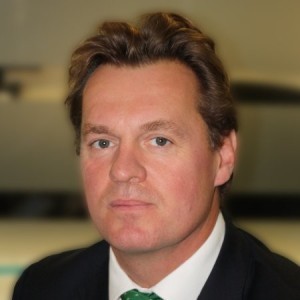
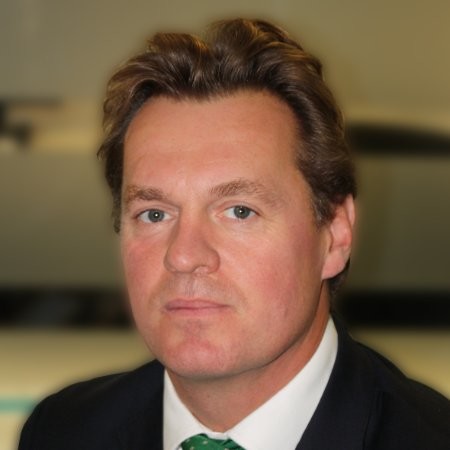
Simon Corben
Director and head of profession, NHS Estates and Facilities, NHS England, UK
After some 16 years in the private sector, advising the NHS and successfully growing and managing a team of property, clinical planning consultants and analysts, Simon returned to the public sector in 2017 to lead the Estates and Facilities function across the NHS, which now includes both the secondary and primary care sectors. The role at NHS England is one he relishes, building on the Carter Implementation Programme and Naylor Review. Following initial success delivering the Model Hospital and efficiency savings, he is taking forward and broadening out the NHS Estates agenda. This includes the primary care estate, the ProCure23 construction framework, and delivery of the Health Infrastructure Programmes announced by the prime minister in 2019. Most recently, he led the NHS Estates response to the Covid-19 pandemic, including the delivery of seven Nightingale hospitals alongside improved clinical infrastructure resilience across the existing estate.
Since joining the NHS in May 2017, Simon has recruited a team aligned to the seven core initiatives of: commercial acumen; policy; workforce; sustainability; operational efficiency; standardisation, strategy and capital; and operational delivery.
In doing so, Simon and the team have:
• delivered both additional capital funding and investment into the NHS;
• reinstated the NHS estates Standards and Guidance programme;
• improved assurance of NHS estates safety, effectiveness and governance through the updating and mandatory implementation of the NHS Premises Assurance Model (NHS PAM); and
• reconfigured and expanded the NHS Estates Division to cover primary care and regional teams;
An accredited Gateway reviewer and project director, Simon understands the need for commercial, innovative and deliverable solutions. In his role at NHS England, he is using his skills and experiences to bring fresh ideas and drive to improve the quality and efficiency of estates and facilities management across the NHS.
Session speakers and workshop presenters

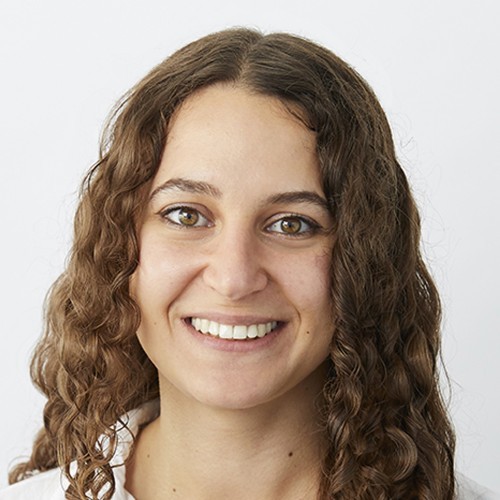
Sara Madbouli
Senior architect, Hopkins Architects, UK
Sara joined Hopkins Architects ten years ago during her studies at the University of Bath, first working in the practice’s Dubai studio and now based in its London head office, led by principal Simon Fraser.
She has worked on a variety of projects with Hopkins, including the World Expo 2020 Dubai Thematic Districts, and the Buhais Geological Museum, helping to develop concept proposals through to construction.
During her time at the practice, Sara has been involved in a number of hospital projects, including the Cleveland Clinic Neurological Institute, leading the co-ordination of the medical planning with the architectural design. The project has a highly complex brief, combining several different outpatient, inpatient and imaging facilities. She has also, most recently, been involved with the masterplan and concept design for the National Women’s and Children’s Hospital in Sultan Haitham City, Oman.


Ab Rogers
Creative Director, Ab Rogers Design , United Kingdom
Ab Rogers is a designer and founder of Ab Rogers Design (ARD), a design and architecture studio he established in 2004 and now runs with co-director Ernesto Bartolini.
With specific focus on caring spaces, sustainability and inside-out design, the studio now works internationally across health, culture, hospitality and residential sectors, designing active, supportive, engaging environments that inject narrative and purpose into the everyday.
In 2021 the studio won the Wolfson Economics Prize with its design for the hospital of the future. Following this, Ab co-founded the DRU+, a design research unit that explores the interrelationship between design, culture and neuroscience, using scientific rigour to deliver the art of care.
He has taught all over the world, creating and leading the Interior Design MA Programme at the RCA from 2012 – 2015, and has delivered projects for clients such as Maggie’s, 180 the Strand, Tate Modern and Selfridges.
Selected Link: www.abrogers.com


Aileen Igoe
Lean and systems redesign lead, Mater Hospital, Ireland
Aileen Igoe is Lean and systems redesign lead in Mater Transformation at the Mater Hospital Dublin, a unit embedded within the hospital that works with frontline staff to understand complex problems and co-design high-impact, sustainable solutions.
Originally trained as an architect, she entered the healthcare sector in 2011 while working on a major hospital development at the Mater Hospital, where her interest in the relationship between spatial design and work systems emerged. She holds advanced qualifications in Lean Six Sigma Process Engineering and a Master’s in Innovation and Leadership in Healthcare, and has over a decade of experience redesigning and healthcare systems and services.
An adjunct associate professor at UCD Health Systems, Aileen lectures and mentors on the Mater Lean Academy Process Improvement Programmes, applying systems thinking and design expertise to deliver user-centred, workable change.
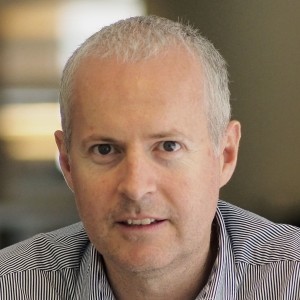
Alan Boswell
Associate principal, HDR, Australia
Alan Boswell is an associate principal and design leader at HDR with more than 20 years of experience spanning health, science, mixed-use, and masterplanning projects. With deep industry knowledge and a nuanced understanding of the Australian healthcare landscape, Alan has helped shape major city-defining developments across the country. He was a key member of the design leadership team for the AU$1 billion Westmead Hospital precinct masterplan and new acute services building.
Alan is committed to designing hospitals that challenge traditional protocols, prioritise patient-centred care, and deliver meaningful improvements to clinical outcomes, healthcare quality, and community wellbeing. His recent work includes the AU$910 million Rouse Hill Hospital in northwestern Sydney, and the RNA Manufacturing Facility, a cornerstone of New South Wales’ RNA research and development programme advancing targeted therapies.


Albert Vitaller
Founding partner, architect, Vitaller Arquitectura, Spain
Albert Vitalle is the founding partner of Vitaller Arquitectura. An architect who studied at ETSAB-UPC, he has a Master's in Large-Scale Architecture from UPC.
Vitaller Arquitectura has developed projects in all phases, from the creation of master and functional plans to overseeing the construction. It has more than 20 years of experience in healthcare and social care architecture. It has worked on the design of several medical care facilities, developing and creating proposals that foster human scale, as well as the comfort and wellbeing of users.


Alejandro Iriarte
Health planning principal, HDR, United Kingdom
In his more than 28 years of experience, Alejandro has designed/planned/built more than 2.6 million square feet of healthcare-related facilities, including renovations and greenfield hospitals. His experience includes several years of facilities’ evaluation and strategic/conceptual planning for leading hospital campus organisations across the globe.


Alex Senciuc
Associate director, Archus, United Kingdom
An experienced healthcare planner and architect, Alex has led the development and delivery of major healthcare infrastructure and transformation programmes across the UK, Europe, Africa, and North America. With over 11 years in the healthcare sector and a PhD in strategic healthcare planning, Alex specialises in system-wide transformation through data-driven, collaborative approaches that align clinical, workforce, infrastructure, and financial strategies.
With a portfolio of more than 63 projects totalling over £6bn, Alex brings a blend of design thinking, system data modelling, and stakeholder leadership. Through his PhD at UCL, he pioneered the use of simulation modelling in integrated care system (ICS) planning, enabling health systems to make evidence-based decisions across organisational boundaries. A skilled facilitator and project leader, Alex is valued for the ability to unite diverse stakeholder groups around shared goals and deliver innovation at scale.


Alexie Telan
Senior consultant, digital advisory and transformation, Lexica, member of WSP, UK


Andrea Buckley
Technical director, Lexica, member of WSP, United Kingdom
Andrea Buckley is a technical director at Lexica (member of WSP) with over 15 years of experience in public/private-sector partnerships in the UK construction and development industry, with a focus on corporate social responsibility policy. Andrea led the strategic development of the Demand and Capacity Climate Impact Model development for Guy’s and St Thomas’ NHS Foundation Trust, a model that forecasts benchmark climate-related spells in the future, mapping flooding, overheating, air pollution and health deprivation. She has successfully led high-impact projects across the public sector, including net-zero strategy for the General Medical Council, heat decarbonisation across NHS trusts in the South East and Midlands, and secured funding through LCSF, PSDS and local funding schemes. Her previous roles in development funding and social value with organisations, including Morgan Sindall Investments and GB Partnerships, have given Andrea expertise in finance structuring, public private partnerships, PFI, ESG and stakeholder engagement.


Andrew Ardill
Director, Hopkins Architects, United Kingdom
Andrew joined Hopkins Architects in 2000 and became a director in 2015. He studied Architecture at Queen’s University Belfast, where he was awarded the RSUA Silver Medal for his final-year thesis.
He has significant international experience on major Hopkins Architects projects, including a mixed-use skyscraper in Tokyo, the Dubai World Trade Centre One Central district, and the World Expo 2020 Dubai Thematic Districts, a highly complex development comprising more than 87 pavilion buildings and an extensive public realm.
Working alongside Hopkins’ principal, Simon Fraser, Andrew has co-led several major healthcare buildings, including the Cleveland Clinic Neurological Institute, now under construction, and the masterplan and concept design for the National Women’s and Children’s Hospital in Sultan Haitham City, Oman. The latter features an innovative courtyard-based approach that creates a strong sense of community for each patient group.
Andrew Baillie
Assistant Director, Infrastructure Planning and Delivery, NHS Greater Glasgow and Clyde, United Kingdom
Andrew J Baillie is an experienced Construction and Project Manager with over 20 years in the industry. Currently serving as the Assistant Director of Infrastructure Planning and Delivery at NHS Greater Glasgow & Clyde, Andrew brings a wealth of expertise in managing large-scale capital projects across acute, primary, community, and mental health planning programs. His role involves ensuring projects align with the Strategic Capital Plan and meet the requirements set by various governing committees.
Andrew Boozary MD
Executive director, University Health Network (UHN), Canada
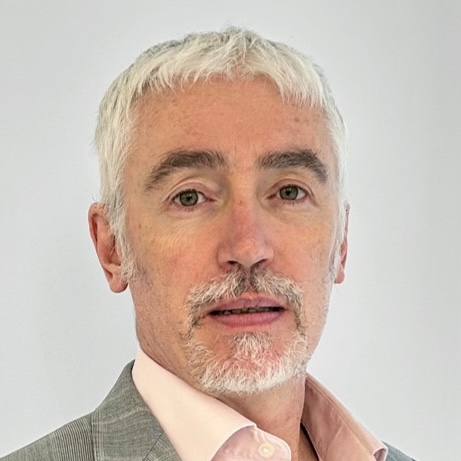
Dr Andrew Boozary is a primary care physician, policy practitioner, researcher, and founding executive director of the Gattuso Centre for Social Medicine at the University Health Network. As the driving force behind Dunn House, Canada’s first social medicine housing initiative, he has been a leader in integrating health care and housing to address the social determinants of health. His work focuses on advancing health equity and improving outcomes for underserved populations.
Dr Boozary completed his medical training at the University of Toronto and health policy training at Princeton and Harvard. He has served in senior advisory roles for policymakers at various levels of government, shaping public policy on primary care reform and pharmacare. He is also the founding editor-in-chief of the Harvard Public Health Review and holds the Dalla Lana Professorship in Policy Innovation at the University of Toronto.
Recognised for his impact in health equity and social justice, Dr Boozary is a Clarkson Laureate for Public Service and recipient of the Louise Lemieux-Charles Health System Leadership Award. His writing and analysis appear in high-impact academic journals and major media outlets. In 2025, he was appointed clinical lead, population health at Ontario Health, where he continues to drive innovation at the intersection of health systems and social policy.
Andrew Castle
Director, Currie & Brown, UK
Andrew Castle is a director in Currie & Brown’s Healthcare Advisory team, with a background in healthcare strategy and operations.
He has over 20 years of international experience across Europe, the Middle East, and Asia. Andrew specialises in designing and delivering complex strategic change programmes. He has particular expertise in healthcare planning, facility development, and clinical strategy across primary, secondary, tertiary, and mental health settings.
He has held senior roles, including programme manager at Hamad Medical Corporation in Qatar. Andrew has also held consulting roles with the NHS and the Health Holding Company in Saudi Arabia. In addition to his professional work, he is a published author on Lean in healthcare and a former Health Service Journal columnist.


Andrew Hall
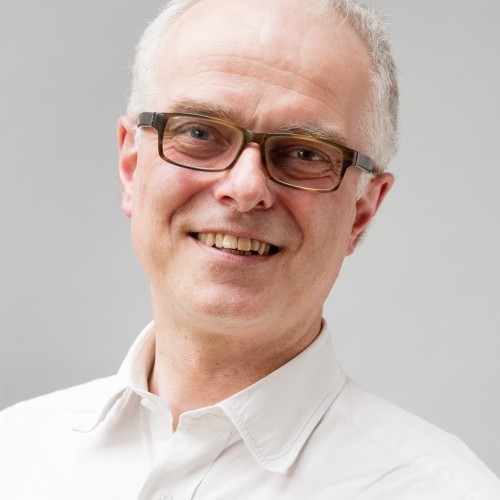
Head of impact and evaluation, CW+, United Kingdom
Andy is the head of impact and evaluation for CW+, the charity for Chelsea and Westminster Hospital NHS Foundation Trust. In this role, he oversees the charity’s strategy for evaluating the impact of its work, working closely with the trust and key partners to measure and articulate the effect of its programmes within the hospital community. Andy originally joined CW+ in 2016 as a musician in residence, building on his background in both music and research to lead projects investigating the effects of arts participation on patients, families and staff. His work has led to publications and conference presentations across the country, including at the International Forum on Quality and Safety in Healthcare, and the Manchester Science Festival.
Andrew Simpson
Director, Andrew Simpson Planning Ltd, United Kingdom
Andrew trained in medicine but in the late eighties was diverted into work as a campaigner for better mental health services as a director of Mind the mental health charity. This led to his work in planning improved services for the NHS and thus to a wider role in urban planning.
Andrew focusses on the importance of well-being and sustainability in urban planning. As Director of Estates and Regeneration for South West London and St George's Mental Health NHS Trust, he secured planning permission with a delivery model for the largest regeneration scheme on an NHS site in England at Springfield Hospital, based on a vision of integrated health and social care provision at the heart of a new community. Springfield Village is now substantially complete, representing the largest new neighbourhood in London since the Olympic Village as well as the largest new mental health facility built in the capital in recent times.
Since then, Andrew has been engaged on a number of regeneration projects, aimed at creating new communities that respond to the housing, climate and ecological emergencies and are great places to live, work and play. He was a founder director of Lewes Phoenix Rising, a community development company that successfully promoted the genuinely sustainable regeneration of the last large industrial site in the centre of Lewes, East Sussex. This project is now being taken forward by Lewes District Council.
Andrew lives and works in Lewes, East Sussex

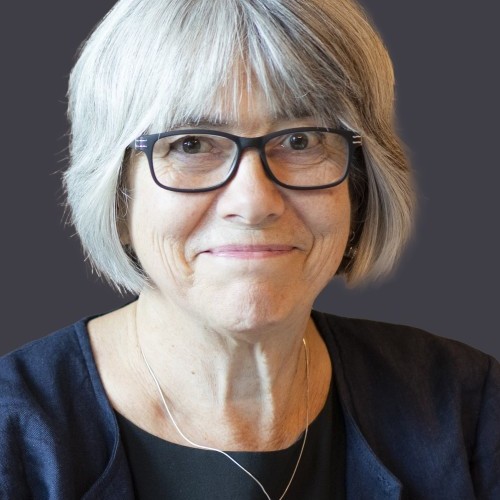
Angela Jackson-Lee
Clinical director, Trillium Health Partners, Canada
Anne Guri Grimsby
Senior creative leader, Arkitema, Norway
Anne Guri Grimsby is an experienced Norwegian architect and senior leader with deep expertise in the planning and execution of large, complex hospital developments. She has directed multidisciplinary architectural teams on major projects in Norway and Sweden, including the New Østfold Hospital (89,000 m²), Södertälje Hospital (40,000 m²), and Nye UNN Narvik (34,000 m²), serving as the primary liaison to client organisations across all phases.
Anne Guri is currently part of the core team developing Oslo University Hospital’s New Aker Hospital (210,000 m²), where she focuses on functional planning and structured user involvement in collaboration with the client, and being the architect’s representative in the art commission for the project.
A former partner at Arkitema and a healthcare sector leader since 2006, she brings strategic competence in user engagement, functional design, cost-controlled planning, sustainability, and project governance. Her work consistently supports the delivery of efficient, integrated, and patient-centred healthcare environments.


Annette Dörr
Interior architect, heinlewischer, Germany
Annette Doerr is an interior architect and project manager with more than 30 years of experience at heinlewischer. Throughout her career, she has led the conceptual and interior design of numerous projects in Germany and abroad, contributing significantly to the firm’s healthcare and workplace portfolio. Her expertise extends beyond practice to academia and professional discourse; she has taught seminars at the universities of Palermo and Napoli and has presented internationally on topics ranging from interior design principles to the planning and organisation of healthcare facilities.
Annette served as the project manager for the surgical suite expansion at the Dortmund Hospital, North Clinical Center.
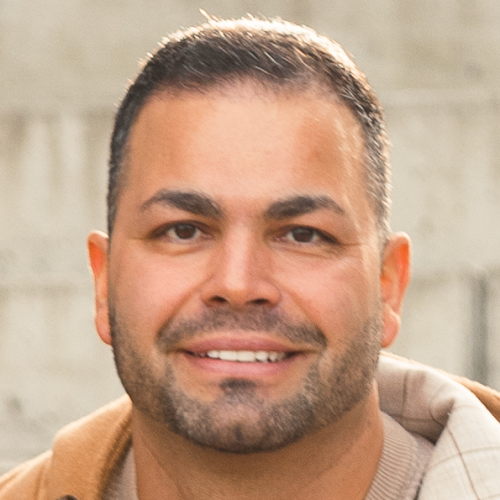
Arif Yildirim
International partners manager, Swisslog Healthcare, Germany


Austin Ferguson
Architect, heinlewischer, Germany
Austin Ferguson is an American architect based in heinlewischer’s Berlin office, specialising in the design and planning of healthcare facilities. With professional experience in both the United States and Germany, he brings a valuable understanding of the healthcare systems, regulatory frameworks, and design standards in both contexts. His cross-cultural expertise strengthens the firm’s local and international healthcare projects.
Beyond his core work in healthcare design, Austin led the expedited planning and implementation of mass vaccination centres for the State of Berlin during the Covid-19 pandemic. He also played a key role in developing a refugee reception centre in Berlin for Ukrainians fleeing the war, contributing urgently needed expertise during a time of crisis.


Aysegul Ozlem Bayraktar Sari
PhD candidate / researcher, Cardiff University, United Kingdom
Aysegul Ozlem Bayraktar Sari is a PhD candidate at the Welsh School of Architecture, Cardiff University. Her research focuses on computational Building Information Modelling (BIM) based methods for spatial analysis in healthcare environments. She develops graph-based and visibility-driven workflows integrating Revit, Dynamo, and Python to evaluate accessibility, integration, privacy, and movement patterns in emergency department layouts.
Her work aims to embed spatial performance analysis directly within the BIM environment to support evidence-based design decision-making in complex healthcare settings. She has presented her research at international conferences and has published in peer-reviewed journals. Her broader interests include computational design, graph-based analysis, digital twins, and data- and learning-driven approaches in architecture, particularly in relation to healthcare design and performance-oriented environments.
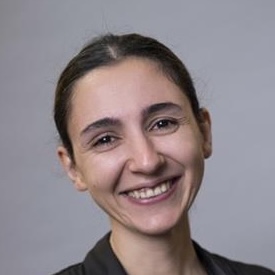
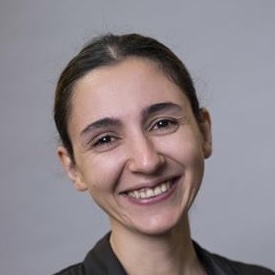
Azadeh Kazeranizadeh
Architect, Billard Leece Partnership, Australia
Azadeh is a registered architect at Billard Leece Partnership, having joined the firm in 2021. Azadeh has worked with government agencies, local health districts, developers and consultants on complex public projects. Her work engages not only with building design but with the broader systems that shape healthcare and community environments. She advocates for holistic approaches to health design, spaces that support wellbeing clinically, spatially, culturally and emotionally. For Azadeh, healthcare architecture should be restorative, dignified and meaningfully connected to the communities it serves.
Azadeh approaches architecture as both a technical discipline and a social project. Born and educated in Iran, she completed a Bachelor of Architectural Engineering where she developed an early understanding that the built environment must respond to how people live, heal, gather and belong. She moved to Australia in 2017 to pursue a Master of Architecture at the University of Adelaide, graduating in 2019.


Barbara Linowiecka
Assistant professor, Poznan University of Technology, Poland
Dr Barbara Linowiecka is an interior architect, researcher and assistant professor at the Faculty of Architecture, Poznań University of Technology. She specialises in healthcare interior architecture, evidence-based design, universal and ecological design, and place identity. In her research and practice, she applies methods such as eye-tracking, user behaviour analysis and participatory design to translate scientific evidence into practical design solutions.
Her current work focuses on model patient rooms and hospital inpatient areas that enhance patient wellbeing, family comfort and staff efficiency. She has authored numerous scientific publications on interior design, sustainability and inclusive spaces for diverse users.
Dr Linowiecka has completed more than 60 interior projects, ranging from private apartments and public buildings to healthcare facilities. She combines academic research and teaching with collaboration with industry partners, physicians and engineers, enabling her to implement and test design solutions in real-world settings.

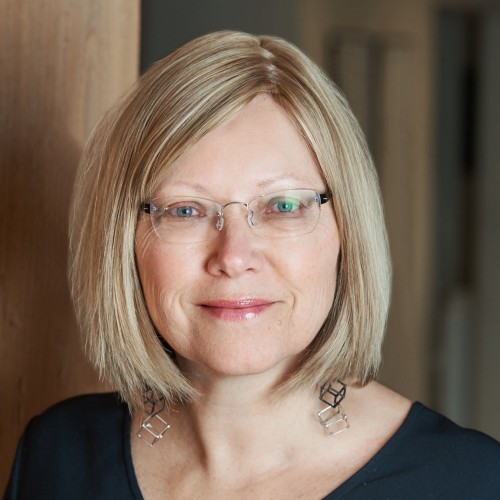
Barbara Miszkiel
Health director, Canada East and vice-president, HDR Architecture Associates, Canada
As director of HDR’s Canada East health practice and a leading voice in mental health design, Barbara is internationally recognised for creating therapeutic environments that balance safety, dignity, and joy. Her work advances a model of care that supports freedom of movement while ensuring the highest standards of protection and clinical excellence. She brings deep expertise from award-winning projects, including CAMH, Lutherwood Mental Health Centre, Sunnybrook’s Hurvitz Brain Sciences Centre, and the Hillsborough Acute Mental Health and Life Skills Centre with its Transitional Housing Pavilion. Barbara’s influence extends beyond project delivery: she is a sought-after global speaker, a contributor to the Design in Mental Health Network, and is cited in Stephen Verderber’s recent book 'Innovations in Behavioral Health Architecture'. Her leadership continues to shape the future of mental health environments across Canada and internationally.
Ben Raybould
Digital lead, New Hospital Programme, UK


Bill Saul
Principal architect, SableARC Studios, Canada
Bill Saul is a Principal Architect and LEED® Accredited Professional at SableARC Studios in Charlottetown, Prince Edward Island, Canada. Bill has more than 25 years of experience designing mental health, civic, post-secondary, residential, education, healthcare, and urban design projects across Canada, the United Kingdom, and the United States. His international portfolio has shaped a thoughtful, human-centred approach to mental health design, grounded in safety, dignity, and therapeutic engagement. Bill is also recognized as a leader in net-zero-ready, future-focused architecture, advancing sustainable strategies that balance environmental responsibility with exceptional patient care. His work brings forward new standards and best practices – from enhancing patient experience to supporting long-term greenhouse gas reduction targets – positioning him as a key voice in the evolution of resilient, sustainable healthcare environments.


Bissan Chalich
Senior medical planner, Dar Al-Handasah, Jordan
Bissan Chalich is a senior medical planner at Dar Al-Handasah in Amman, Jordan, with 28 years of experience in the design and delivery of complex projects. Fourteen of those years have been dedicated to healthcare, with a strong focus on planning and designing care environments across a broad spectrum of services.
Drawing on this experience, Bissan applies an evidence-based, user-centred approach to create healthcare spaces that support clinical operations, enhance patient and staff experience, and adapt to evolving models of care. She is particularly interested in how architecture can contribute to better health outcomes by delivering environments that are efficient, resilient, and genuinely responsive to the people who use them.


Cameron C. Brown
Associate professor, Texas Tech University, United States
Dr Brown is a licensed marriage and family therapist with more than ten years of clinical experience. He is an associate professor in the Couple, Marriage, and Family Therapy programme at Texas Tech University, where his work focuses on the systemic intersections of behavioural, social, and physical health. His research includes areas such as health, attachment, ethics, power, and relational processes. In addition to his academic role, he is co-owner of Desert Sky Family Therapy, where he provides clinical services and supervises emerging mental health professionals.


Carlos Acuña
Site engineering manager, Sacyr UK, United Kingdom
Carlos is an accomplished architect with extensive experience managing a diverse portfolio of projects across the commercial, residential, hospitality, and healthcare sectors. His core expertise lies in the latter two, where he has developed a strong reputation for delivering complex, high-value developments to the highest standards.
Carlos has successfully led teams across both private and public sectors, working on the client and delivery sides. His leadership spans projects of varying scale, from smaller bespoke developments to large-scale initiatives. Notably, he played a key role in stakeholder engagement and delivery of multiple healthcare facilities, ensuring seamless handovers and stakeholder alignment.
Carlos is quality-driven and highly detail-oriented, consistently focused on delivering exceptional outcomes and exceeding client expectations. His blend of technical expertise and strong operational leadership makes him a valuable asset to any project team.


Catherine Junda
Health sector technology practice leader, Stantec Architecture, United States
Cathy Junda is the health sector digital technology practice leader at Stantec, where she leads global digital health visioning, ecosystem design, and technology-enabled care models across acute, ambulatory, cancer, mental health, and community care environments. With a background spanning healthcare architecture, engineering, and enterprise technology, her work focuses on aligning clinical operations, digital infrastructure, and physical environments to support resilient, future-ready health systems.
Cathy has led digital strategy and design for major healthcare projects across North America, Europe, the Middle East, and Australia, including regional command centres, hybrid nursing models, smart hospitals, and digitally enabled community care networks. Her work emphasises equity of access, workforce sustainability, and the use of regional and virtual models to extend specialist expertise beyond hospital walls.
She is a frequent speaker on digital health ecosystems, ambient intelligence, and healthcare system resilience, and actively contributes to industry forums focused on innovation, health design, and system transformation.
Catherine Loker
Principal, Hassell, Australia
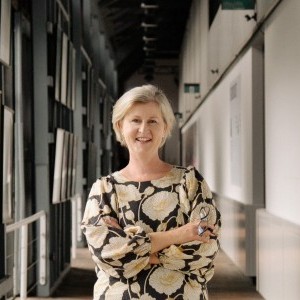
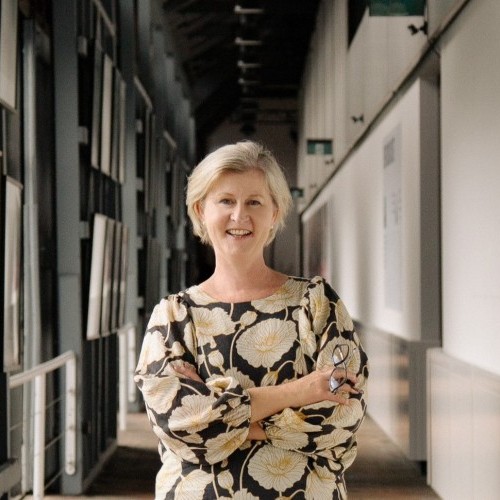
Catherine Loker is deeply passionate about architecture as a tool for improving lives and shaping communities. Her work reflects a commitment to human-centred design, especially in healthcare and education, where thoughtful environments can profoundly impact wellbeing and learning. She thrives on the challenge of complex projects, bringing clarity and creativity to stakeholder engagement, planning, and delivery. For Catherine, architecture is not just about buildings – it’s about creating spaces that foster connection, healing and purpose.

Catherine Zeliotis
Principal, Stantec, UK
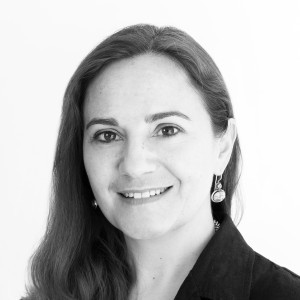
Respected for her expertise in design and clinical planning, Catherine Zeliotis is a healthcare principal in Stantec with over 32 years’ experience. She has a special interest in integrating healthcare drivers into the broader design context to create uplifting environments and focuses on innovative methods of patient participation in the stakeholder process. Catherine has specialised in the design of cancer centres and has been at the forefront of many design innovations. She is recognised as an international leader in this field by both healthcare clients and design professionals and is regularly published in healthcare design and medical journals. She has led the clinical design for many award-winning projects including, National Center for Cancer Care and Research, HMC, Qatar; Hamdan Bin Rashid Cancer Centre, UAE; Peter Gilgan Mississauga Hospital, Ontario, Canada; Calgary Cancer Centre, Canada; Cleveland Clinic Cancer Centers, US and UAE; and in the UK - Guy's Cancer Centre; The London Clinic Cancer Centre; South West Acute Hospital, Enniskillen, Northern Ireland; and the Centre for Cancer Care, Newcastle, UK.


Cathy Walker
Manager clinical planning, Trillium Health Partners, Canada
Cathy Walker is a Registered Nurse and Manager of Clinical Planning for Trillium Health Partners overseeing the clinical planning and design of what will be the largest hospital in Canada, The Peter Gilgan and Shah Family Hospital for Women and Children in Mississauga. Cathy has had a variety of front line and leadership roles within the Women’s and Children’s program at Trillium Health Partners. Prior to moving into management in 2014 Cathy spent approximately 20 years working in the Quality and Risk Management Department where she provided leadership in an array of quality initiatives in Women’s and Children’s Health, Emergency Department and Mental Health Programs. Cathy led the work for Trillium Health Partners in their successful designation as a Baby Friendly Organization in 2017. Cathy is passionate about quality improvement, and the implementation of evidence based best practices to improve the quality of care, and patient safety. Embracing a learning environment Cathy has a deep commitment to providing the best experience for patients, staff and the community.


Chai Jayachandran
Healthcare architect, Jacobs, United States
Chai Jayachandran, AIA, ACHA is a healthcare architect with 23 years of experience specialising in planning and design of complex healthcare spaces across the care continuum. Chai plays an integral role in client business development, thought leadership, staff mentoring and project leadership.
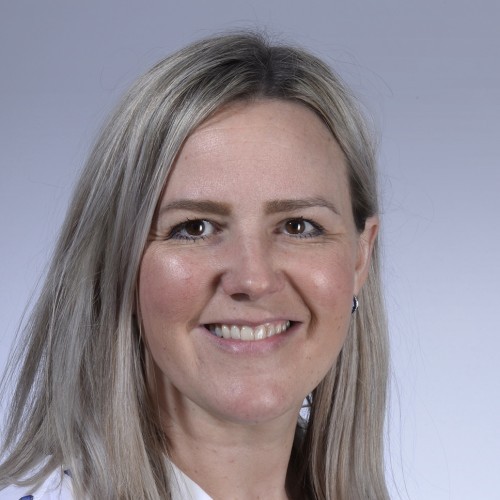
Charmaine Hope
Chief estates and facilities officer, Buckinghamshire Healthcare NHS Trust, UK
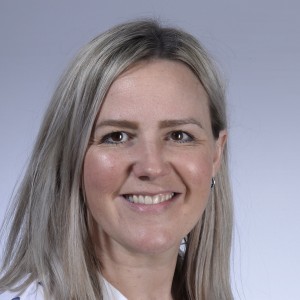
Charmaine joined Buckinghamshire Healthcare NHS Trust as chief estates and facilities officer in March 2024. Prior to this, Charmaine worked at Oxford University Hospitals NHS Foundation Trust, where, most recently she was director of estates, facilities and capital development, having joined OUH in 2018. Among many highlights in her previous role, Charmaine led on delivering an award-winning 48-bed critical care new building. She began her NHS career at Buckinghamshire Healthcare NHS Trust in 2010 before joining Mace’s public-sector consultancy team in 2013, predominantly supporting NHS trusts with delivery of major capital business cases and programmes of work. Charmaine is a qualified architect and has a masters in leadership and management.


Chen Cohen
Partner, DIALOG, Canada
Cohen (who goes by her last name) is an award-winning designer recognised for her expertise in large-scale, complex institutional projects. With a background in both interior design and architecture, she brings a holistic perspective to her work, shaping buildings from the inside out. Her projects are defined by a refined interplay of light, thoughtful material selection, strategic use of colour, and carefully curated furnishings that work in harmony to elevate the overall spatial experience.
Known for her methodical, hands-on, and highly collaborative approach from early concept through completion, Cohen translates clients’ visions and aspirations into elevated, enduring design solutions that are both timeless and beautiful. Her commitment to equitable and universal design is integral to her process. She leads explorations around cultural, physical, and gender sensitivities, ensuring that each project meaningfully supports and enhances the user experience.
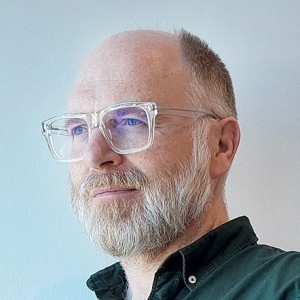
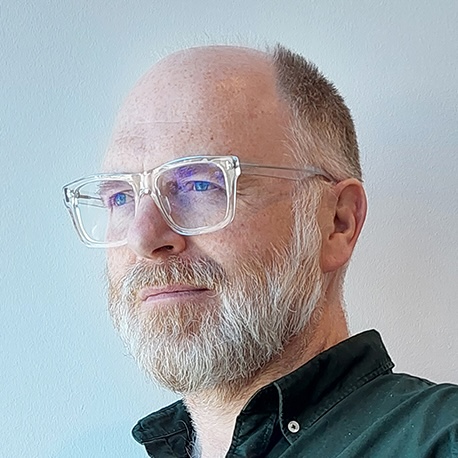
Chris Richardson
Architect, principal and technical lead – health, Jacobs, Australia
Chris Richardson is an architect and principal in Jacobs’ Health Architecture studio in Brisbane, Australia, with almost 30 years’ experience designing and delivering buildings for public- and private-sector clients. His work spans the full project lifecycle, from briefing and masterplanning through to technical design, delivery, commissioning and handover.
Health architecture has always been a part of Chris’s career and has become his primary focus for the past decade, particularly within Queensland and the broader ANZ region. He currently leads the Jacobs Health Architecture team for the New Toowoomba Hospital, an 80,000 sqm acute services development for Darling Downs Health, designed to expand clinical capacity and strengthen regional healthcare resilience, scheduled for completion in Q4 2028.
Chris is driven by complex briefs and multifaceted design challenges. He is committed to creating human‑centred, inclusive environments that welcome diverse patient cohorts and support improved health outcomes for the whole community.


Christine Chadwick
Managing director, Archus Canada, Canada
Christine Chadwick is the Managing Director of Archus Canada with 30+ years of experience in healthcare, including many executive and leadership roles. Christine brings system-wide expertise and skills including strategy/visioning, equipment planning, health services planning, masterplanning/programming, functional programming, lean thinking, digi-physical visioning, stakeholder engagement at all levels and input into healthcare planning. She has led major hospital and long-term care projects across Canada and internationally, with a focus on ensure that the clients receive price certainty and value for money whilst maintaining the highest level of patient care and staff safety. Christine is Co-Chair of the CSA Z8005 Digital Infrastructure & digital technologies in healthcare facilities. She also sits as a Voting Member of the CSA Health Care Facilities Technical Committee (Z257 TC). Alongside her technical expertise, Christine is a passionate advocate for developing the next generation of healthcare leaders. She is a Mentor in Residence and sessional lecturer at the University of Toronto’s Faculty of Medicine & Innovation, a mentor for the Women’s Infrastructure Network and Founding President of the Canadian Women’s Circle of Healthcare (CWCH) (which is a national non-profit organization).


Claire O’Donnell
Principal, Parkin Architects, Canada
Claire is a highly skilled project manager with a passion for healthcare design. With over a decade of experience at Parkin, she has developed a comprehensive understanding of specialized medical sectors, including behavioural health and cardiac environments. Claire is known for her intuitive ability to collaborate with patients and clinicians, giving her invaluable insight into the strategic issues facing healthcare clients.
Leveraging her qualifications in both architecture and project management, Claire manages large-scale complex projects with diverse project teams. She approaches every project with careful planning, robust procedures, and excellent communication and collaboration skills. Claire believes in a human-centric design approach that focuses on social architecture and buildings that inspire and support wellness. She builds strong partnerships with clients, working collaboratively to understand and distill their needs into effective architectural solutions.
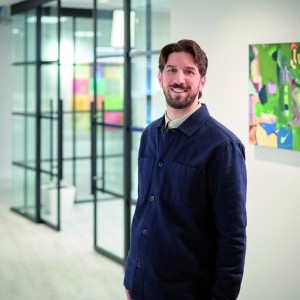
Corey Horowitz
Associate, senior urban planner, DIALOG, Canada
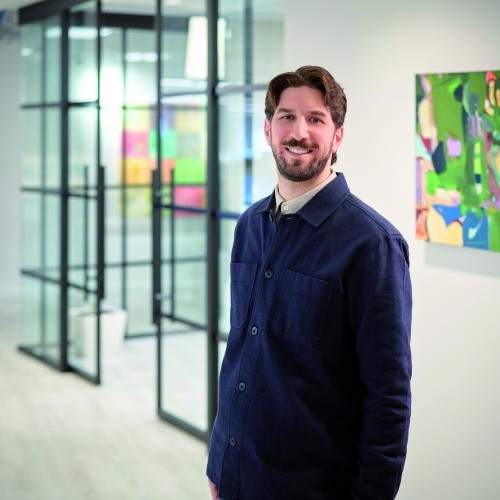
Corey is a registered urban planner based in Toronto, bringing over 12 years of diverse experience spanning multiple practice areas including mixed-use, institutional and healthcare-specific planning. He has led the development approvals process for multiple hospital projects in the Greater Toronto Area. His expertise extends to land use strategies, master plans, policy development and affordable housing. Through a collaborative spirit and design sensibility – shaped through years of working closely with urban designers, architects and technical disciplines – Corey’s perspective drives his impact at a wide range of scales and project stages. Whether crafting compelling visions and conceptual development or at more detailed design phases, at a site-specific level or through a broader strategic planning lens, Corey values a holistic, contextual approach.
Craig Booth
Regional director, AECOM, United Kingdom
Cristiana Caira
Architect, White Arkitekter, Sweden
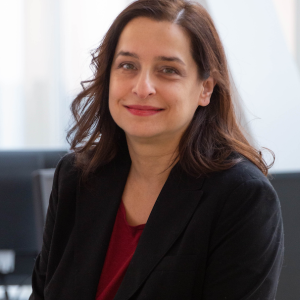
Cristiana Caira MArch, is partner and board director at White Arkitekter, artistic professor of healthcare architecture at Chalmers University of Technology in Sweden, member of the Board at the European Health Property Network, and member of the programme committee for the European Healthcare Design Congress. Cristiana has 25 years of experience in planning complex healthcare environments in Scandinavia and internationally. Focused on increasing collaboration between practice, research and education, Cristiana has led major White Arkitekter healthcare projects, including the award-winning Södra Älvsborg Hospital Psychiatric Clinic, the Queen Silvia Children Hospital in Gothenburg, and a large-scale extension of Karlstad Hospital. Her latest international project is the award-winning extension for the Panzi Hospital in Congo, in collaboration with the 2018 Nobel Peace Prize laureate Dr Denis Mukwege. Cristiana is currently healthcare design lead architect within the expert international team appointed to design Cambridge Children’s Hospital.
D. Kirk Hamilton
Professor emeritus, Texas A&M University, United States
Hamilton is a board-certified healthcare architect who had 30 years of active practice in hospital and ambulatory center design before adding a master's degree in organization theory and joining Texas A&M where he researches the relationship between evidence-based design and measurable organisational performance. He earned a PhD in Nursing and Healthcare Innovation at Arizona State University in 2017. He taught evidence-based design for health in the Texas A&M graduate programme and co-edits the peer-reviewed HERD journal. He is a widely published author and frequent national and international speaker. He retired after 18 years at Texas A&M in September 2022 to become professor emeritus.

Daniel Tannous
Consulting lead, H.H. Angus & Associates, Canada
Daniel is an electrical engineer with over 15 years of experience specialising in information technologies, networking, and physical security systems. Throughout his career, he has supported organisations across multiple sectors in designing and implementing robust, standards-compliant network infrastructures. His extensive work as a consultant and designer for hospitals in the Greater Toronto Area has provided him with deep expertise in the healthcare sector. Through close collaboration with a wide range of industry stakeholders, Daniel has developed a strong understanding of the clinical and operational realities that shape healthcare environments. This insight has since enabled him to effectively translate complex operational needs into practical infrastructure solutions. Methodical and strategic in his approach, Daniel has developed a structured framework to help plan and design healthcare IT infrastructure that are capable of supporting the industry’s ongoing digital transformation initiatives.
David Allison
Alumni distinguished professor and director, Clemson University, United States
David Allison FAIA, FACHA is an alumni distinguished professor and has served as the director of graduate studies in architecture + health [A+H] at Clemson University since 1990. His teaching, research and scholarship involve the study of relationships between health, healthcare and the built environment. The A+H programme at Clemson is nationally recognised for its focused curriculum and emphasis on design excellence within the discipline of healthcare architecture. It is committed to the integration of innovative design with academic scholarship and research in healthcare environments and healthy community planning and design, and it has won numerous national and international programme and student awards for its work under Professor Allison’s direction.
Professor Allison is also a licensed architect in South and North Carolina. He is a board certified, founding member and fellow of the American College of Healthcare Architects [ACHA], currently serves as 2025 president on the ACHA Board of Regents, and received its Lifetime Achievement Award in 2019. He was selected in 2007 as one of “Twenty making a difference” nationally by Healthcare Design Magazine and identified again in 2009, 2010 and 2012 by a national poll conducted by the magazine as “one of the most influential people in healthcare design.” Design Intelligence Magazine named him one of the nation's 30 most admired design educators in 2013-14 and again in 2019. He was also recently recognised as the Center for Health Design 2019 Changemaker.


David Nicholson
Global chief executive officer, Tektology, United Kingdom
David Nicholson is the global chief executive officer of Tektology – a consultancy focused on health system design, digital innovation, smart hospitals, new facilities, and transformation. With more than 20 years of senior executive experience at the highest levels, his career spans Australia, New Zealand, Canada, India, and the UK, where he has worked on complex healthcare and public-sector challenges across diverse settings.
His work spans major programmes with NHS trusts and NHS England’s New Hospital Programme, where he serves as a member of the Independent Technical Review Panel, chair of the NHP Independent Digital Group, and a digital advisor. He also works closely with NHS Wales organisations and national bodies to support system-wide digital transformation. Internationally, his experience extends across Australia and New Zealand, contributing to strategic digital transformation and patient-centred care pathways, and across Canada and India, supporting large-scale health improvement programmes that align policy, technology and outcomes.
At Tektology, David has been instrumental in developing innovative methodologies that help organisations incubate, evaluate, and scale new technologies rapidly. His work focuses on practical solutions to complex challenges, integrating strategic policy, digital tools, and operational redesign to enhance healthcare delivery and outcomes.


David Powell
New Velindre Cancer Centre project director, Velindre University NHS Trust, United Kingdom
David is project director at Velindre University NHS Trust responsible for the new Velindre Cancer Centre. He joined Velindre in May 2020 to develop the new Velindre Cancer Centre. David is also combining this with a role at the Alder Hey Health Campus for Alder Hey CNHSFT. David joined the Alder Hey Board as development director in December 2012 and has more than 30 years’ experience working in the NHS. Prior to his role at Alder Hey, David held development director posts in Bristol and London overseeing new hospital programmes.


Debajyoti Pati
Professor and Rockwell Endowment Chair, Texas Tech University, United States
Dr Debajyoti Pati is a professor and Rockwell Endowment Chair in the Department of Design, Texas Tech University. He has published widely in the areas of health and healthcare design. He has been listed on the Stanford/Elsevier Top 2 per cent Scientists List and twice voted among the 25 most influential people in healthcare design in the US. He is currently serving on the editorial board of HERD journal, and on the International Advisory Board of the Swiss Center for Design and Health, among others. He is a fellow of the Indian Institute of Architects.
Debbie So
Senior innovation manager, Imperial College Healthcare Partners, United Kingdom
Debbie So is a healthcare innovation and strategy leader. Her current role is senior innovation manager at Imperial College Healthcare Partners, with a background in strategy consultancy and partnerships from Deloitte. Debbie is passionate about taking innovations from concept to practice across large-scale public and private organisations to deliver user-centred care, including obesity pathway redesign for NW London, Covid-19 testing pathways, and the Vodafone Centre for Health. Her work was awarded Innovation, Growth & New Business Models Gold by the Financial Times and British Media Interactive Media Association (BIMA) Top 100.
Debbie graduated with an MSc in Healthcare Design from Imperial College of London and an MRes from the Royal College of Arts London. Her thesis was on the redesign of a NW London-based trauma emergency department to support effective, efficient and safe patient flow.


Deborah Wingler
Global practice director, applied research, HKS, United States
As partner and global practice director for applied research at HKS, Dr Deborah Wingler collaborates across sectors to develop and implement applied research services that drive innovation and achieve measurable impact across the firm and health practice, globally. She also serves as the executive director for the Center for Advanced Research and Evaluation (CADRE) and holds an appointment as adjunct faculty in the School of Architecture at Clemson University. Deborah’s research focuses on improving the user experience by eliciting insight into users’ affective responses to high-stress healthcare environments. Through her research, she has worked with some of the most forward-thinking Fortune 500 companies, healthcare organisations and manufacturers, to reimagine primary, specialty, acute, and home healthcare. She is a well-known passionate patient and family advocate for healthcare design, researcher, speaker, and published author. She holds a PhD from Clemson University in Healthcare Architecture and earned a M.S.D. in Healthcare Innovation from the Herberger Institute of Design at Arizona State University. Deborah holds several industry and academic awards. She was recently awarded HCD 10 researcher of the year for 2022 by Healthcare Design Magazine.


Diana Anderson
Healthcare architect and physician, Jacobs, United States
Dr Diana Anderson is a triple-boarded professional – healthcare architect (ACHA-American College of Healthcare Architects), internist, and a geriatrician. As a “dochitect,” she pioneered a collaborative, evidence-based model for approaching healthcare from the medicine and architecture fields simultaneously. She has worked on hospital design projects globally and is widely published in both architectural and medical journals, books and the popular press, including The New York Times, The Lancet, Metropolis, etc. She is a past fellow of the Harvard Medical School Center for Bioethics, which launched her current exploration of the ethics of built space. She is currently an assistant professor of neurology at Boston University and undertakes research in health design. She is a healthcare principal at Jacobs, contributing her thought leadership at the intersection of design and health, and was elevated to the Council of Fellows within the ACHA for her contributions to the profession.


Diego Morettin
Partner, DIALOG, Canada
Diego is an accomplished architect, driven by a strong belief in the transformative power of design to enhance community wellbeing. He specialises in large, complex institutional and healthcare environments, guiding multidisciplinary teams and diverse stakeholder groups towards clear, balanced, and human-centred solutions. His work reflects a deep commitment to addressing complex organisational challenges while delivering meaningful social impact.
A collaborative and team-oriented leader, Diego is dedicated to mentoring emerging architects and fostering a culture of shared learning and design excellence. Grounded in a comprehensive understanding of the architectural process, from early visioning through delivery, he integrates diverse perspectives into cohesive, purposeful outcomes. His inclusive leadership style and strategic clarity have earned industry-wide respect and resulted in a body of work that leaves a lasting impact on both communities and the profession.


Don Chong
Design principal, HDR, Canada
As design principal at HDR Toronto’s studio, Donald has established himself among Canada’s leading progressive architectural voices through his inventiveness and investment in placemaking, his commitment to a thoughtfully executed architecture and his contributions to academia. His project skills volley between the strategic planning of urban and institutional work through to the detailing of finely-crafted spaces – underpinned by a studio approach built on research-based and regenerative systems design
Donald’s architectural leadership in healthcare design most recently introduced a Canadian studio-based perspective to the University of Kentucky (Lexington) New Chandler Academic Hospital – while he has led the design for Sunnybrook Health Science Centre’s (Toronto) Hurvitz Brain Science Centre, Waterloo Region and Health Network’s Laurel Creek Hospital and Prince Edward Island’s Hillsborough Hospital.
Donald has held architectural speaking, academic and jury engagements related to masterplanning, urban design, structural innovations, mass timber and resilience. He has taught at the University of Toronto and the École Poytechnique Fédérale de Lausanne (EPFL) in Switzerland and has been awarded Canada Council’s Prix de Rome for Architecture, and the Architectural League of New York’s Emerging Voices Award. He has spoken, taught and adjudicated at academic and cultural institutions in Tokyo, Aspen, Helsinki, Copenhagen, Zurich and Amsterdam. Recognised globally for his leadership and innovation in Integrated Project Delivery (IPD) and mass timber design, Donald is currently the chair for the Canadian Wood Council’s WoodWorks Advisory Board.
Recent works include: Sunnybrook Health Science Centre (Toronto); Hurvitz Brain Science Centre, Queen’s University (Kingston, Ontario); John Deutsch University Centre, Canadian Nuclear Laboratories’ (Chalk River, Ontario) Science Collaboration Centre, York University (Toronto) Neurological Sciences Lab Loft; Western University’s (London, Ontario) New Food School and Academic Pavilion at Brescia College; University of Kentucky’s (Lexington) Chandler Academic Hospital Expansion; Waterloo Regional Health Network’s Laurel Creek Hospital; and Prince Edward Island’s (Charlottetown) New Hillsborough Hospital.


Dorsa Jalalian
Associate, senior urban designer, DIALOG, Canada
As an associate and senior urban designer at DIALOG, Dorsa brings over ten years of experience shaping vibrant, inclusive, and people-centred urban environments. With a Bachelor’s degree in Architecture and a Master’s in Urban Design, her work spans masterplans, city-wide planning studies, design guidelines, public realm improvements, and large-scale campus projects across North America.
Her practice focuses on creating places that feel lively, bustling, and welcoming to all. In recent years, Dorsa has also led and co-led major healthcare campus planning and healthcare visioning initiatives, supporting hospitals and health systems in imagining the future of care. Her work integrates community insight, placemaking, and long-term campus frameworks to enhance the experience of patients, staff, and visitors, while supporting the evolving operational and service-delivery needs of healthcare organisations.

Eamonn Gorman
Head of clinical informatics, New Hospital Programme, NHS England, UK
Eamonn Sullivan
National clinical director and chief nurse, New Hospital Programme, UK
Eamonn is an experienced NHS executive director, board member and clinician with a career spanning over 30 years leading complex NHS teams in major acute and specialist trusts. He has a successful record of working with NHSE and DHSC at regional and national level and internationally with the British Army. He was awarded an MBE in 2021 and honorary doctorate in 2024 for services to healthcare.
Responsibilities within the programme: Working with the professions, local communities and industry to design and build the next generation of healthcare facilities in England.
Key achievements, projects and deliverables: Being involved in the inspiring stakeholder events for the H2.0 design, in particular, the enormously positive experience of working with national and international clinical experts alongside patient and user groups.
Career background:
Eamonn is chair of the NHS England Safer Staffing Review of Adult Critical Care Nursing;
Experienced NHS executive chief nurse at the Royal Marsden & Royal Berkshire Hospitals & Nightingale/Test & Trace;
Critical care nurse with a 25-year clinical career; and
Army reserve officer – served in leadership positions on operations worldwide.

Eduard Boonstra
Sector director, healthcare, Deerns, The Netherlands
Eduard has extensive experience in design, project management, and strategic consulting within the healthcare sector. His focus is on delivering added value for the client, understanding the diverse needs of customers and stakeholders, and fostering connections between project partners. In his role as project director, he is strongly motivated to deliver successful projects for clients and involved partners, while introducing new, innovative ideas and insights. In addition to his project work as a strategic advisor, Eduard serves as international sector director within the Deerns Group and is actively engaged in innovations related to sustainability and smart hospital building.


Edzard Schultz
Architect / Partner, heinlewischer, Germany
Edzard Schultz is a principal architect and partner of heinlewischer and spokesman for the entire office. He studied architecture at the TU Berlin. To this day, he is also involved in teaching and research, for example, at Clemson University South Carolina (USA) Architecture + Health. He is a member of the “AKG – Architekten für Krankenhausbau und Gesundheitswesen” and is active in the DIN committee.
His work covers the broad spectrum of complex building tasks, primarily buildings for health, with a holistic approach from masterplanning through competitions and realisations to evaluation. He is especially interested in the structural and communicative synthesis in the architect's work.

Elaine Turner-Lyn
Deputy director of workforce, NHS England – New Hospital Programme, United Kingdom

Elaine Turner-Lyn
Deputy director of workforce, NHS England – New Hospital Programme, United Kingdom
Elaine Turner is the deputy director of workforce for the New Hospital Programme at NHS England, leading national workforce transformation across hospitals impacting more than 200,000 staff. She works with trusts to assess future workforce needs, develop sustainable skills, and maximise the benefits of Hospital 2.0 to improve operational efficiency and patient care. Elaine also leads work on Staff Welfare Spaces Standards, workforce planning and modelling capability, and the synthesis of evidence around delivering care in 100-per-cent single bedroom hospitals.
With over two decades of NHS experience, she led major initiatives, including training London’s Covid-19 vaccinators and co-ordinating the Nightingale London volunteer workforce. Prior to NHS England, Elaine worked at Health Education England on nursing associate and apprenticeship programmes and began her career in market research, specialising in culture transformation across the hospitality and airline sectors.


Elke Reitmayer
Senior research and lecturer, Carinthia University of Applied Sciences, Austria
Elke Reitmayer is an architect and senior researcher/lecturer specialising in architectural psychology and neuroarchitecture. She studied Architecture at Graz University of Technology and holds a MAS in Neuroscience Applied to Architectural Design from IUAV Venice. She has contributed to research projects in Switzerland, Germany and Austria, including participatory design of acute psychiatric wards and dementia-friendly hospital environments, integrating psychological and neuroscientific insights into evidence-based design.
She teaches in Switzerland and Austria and is establishing a PSN-based Architecture research field at Carinthia University of Applied Sciences, combining psychology, sociology and neuroscience to better understand how people perceive and experience space. Her work focuses on architecture’s impact on health, behaviour and wellbeing and on participatory design approaches. She is also co-founder of the Hamburg-based company raumDNA, which developed “Architectural Profiling,” a method that analyses conscious and unconscious user needs and translates them into evidence-based spatial strategies that emotionally, socially and cognitively support users.
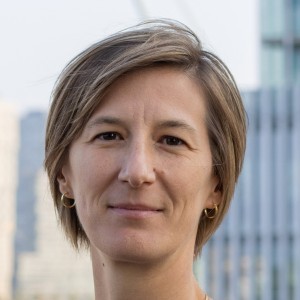

Ellen Gedopt
Architect director, Gortemaker Algra Feenstra architects, Netherlands
Ellen graduated as an architect at the Carnegie Mellon University in Pittsburgh, USA and achieved her master’s degree in ‘Urban Design & Housing’ at the McGill University in Montréal, CA. She’s a creative thinker and is passionate about working on projects that embrace issues of care; both the care of people, as well as the care of the planet. She likes complex projects and get really energised from working on projects with a positive social impact.
With over 15 years of experience in Europe and Canada, Ellen joined our firm in 2019 and has been architect director since 2025. She has worked on healthcare, education, and housing projects, bringing an open-minded perspective from having lived in five countries and the ability to communicate her ideas in three languages. She has worked on projects such as Hospital Oost Limburg in Genk, Hospital Maas and Kempen in Maaseik, the logistics platform for University Hospital Leuven, Zorgsaam Terneuzen, and Youth Institution De Kempen – Campus De Hutten in Mol.


Emily Leonard
Healthcare planner, Mott MacDonald, United Kingdom
Emily is a healthcare planning consultant with a scientific background in biomedical sciences and an MSc in Public Health. Emily has contributed to a number of large-scale healthcare planning projects across the UK and internationally, including four years working with the UK New Hospital Programme and supporting the development of a paediatric healthcare facility in Canada. Emily is experienced in developing schedules of accommodation, clinical briefs, standardised room designs, and facilitating clinically led hospital departmental design workshops. She also holds a Certificate of Professional Development in the TAHPI Health Facility Planning Course (CPD and IHEEM certified).
Passionate about embedding best practice and clinical expertise into the future design of healthcare facilities, Emily focuses on optimising efficiency, productivity, and the experience for both patients and staff. With a strong commitment to resilience and flexibility, she strives to build towards future-ready facilities that deliver long-term value and adapt to evolving healthcare needs.
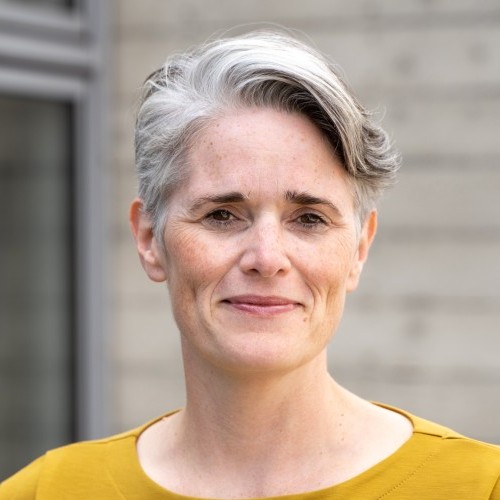
Emma Geoghegan
Head of architecture, Technological University Dublin, Ireland
Emma Geoghegan is head of architecture in the School of Architecture, Building and Environment, TU Dublin, leading on the undergraduate, postgraduate and professional suite of architecture programmes. A registered architect, she has over 20 years' experience in professional practice working on healthcare, community and social care building projects. She is also in the final stages of a PhD researching care, disability and the built environment with TU Dublin Centre for Socially Engaged Practice & Research.


Emma Whigham
Alliance operations director, New Hospital Programme, UK
Keir’s experience spans both the public and private sectors. During more than 12 years in Clients & Markets at Laing O’Rourke he has led major bids and opportunity proposals, helping to secure some of their largest projects across all sectors. This includes their current pipeline of hospital projects procured through positions on the Cabinet Office’s Construction Works and Associated Services (CWAS) and ProCure23 frameworks, in particular Cambridge Cancer Research Hospital, Bristol Royal Infirmary and Calderdale Royal Hospital.
He has spent more than three years as part of a Laing O'Rourke team tracking and engaging with the New Hospital Programme and he was embedded in the strategy development and production of the tender that helped secure a place on the Hospital 2.0 Alliance that will deliver the Programme.
He started his career at the NHS in health promotion, working directly with public health leadership and reporting to NHS England. He also worked in business development for seven years for international law firm Addleshaw Goddard, where he helped to secure positions on FTSE 100 company legal panels and developed client-focused legal services products.
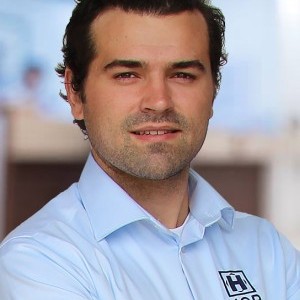

Evan Rutherford
Project manager, Health Care Relocations, Canada
Evan joined HCR in April of 2019. He has quickly transitioned into managing his own projects including the Lead Project Manager/Transition Advisor role for Groves Memorial Community Hospital in Fergus, Ontario and the Cortellucci Vaughan Hospital in Vaughan, Ontario. Evan has also acted as an Alternate Project Manager on projects, such as Waypoint Community Health Hub where he managed the relocation of high value equipment. Evan is currently planning the relocation of assets and patient transfer at the Aalborg University Hospital in Aalborg, Denmark.
Evangelia Chrysikou
Associate professor, programme director MSc, healthcare facilities, University College London (UCL), United Kingdom
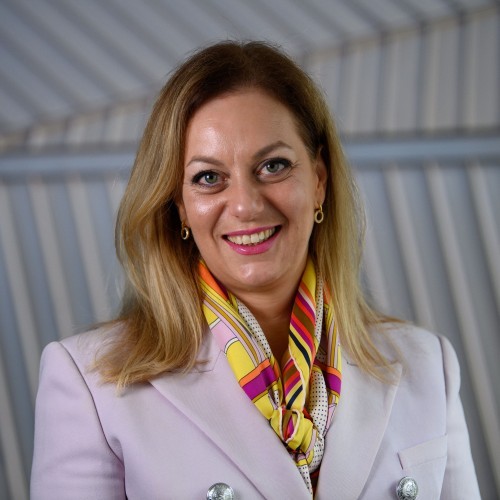
Dr Evangelia Chrysikou is associate professor at BSSC UCL and founder/programme director of the MSc Healthcare Facilities. A multi-awarded RIBA architect and healthcare planner, she has published widely and won several prestigious grants and fellowships, including Horizon 2020, UKRI, Wellcome, British Academy, Royal Society of New Zealand, and Sasakawa Foundation.
He research interests span the disciplines of built environment, health, digital technologies and social science. A key author and committee member of ISO 25553 (BS), she is also a member of the National Accessibility Authority, Hellenic Republic by invitation from the Greek Prime Minister, and led the working group on access and accessibility in healthcare. Former co-ordinator of the Environment Section of the EIP on AHA, EU, she has worked as a consultant for international government bodies, such as the Japanese MOFA, Peru Reconstruction Mechanism, and the British Government for projects related to healthcare planning and architecture. She is also a former vice-president of the Urban Public Health Section at the EUPHA, and was invited as a leadership committee member of the ULI Life Sciences and Healthcare.
Ewan Graham
Partner, Health & Science lead, Hawkins\Brown, United Kingdom
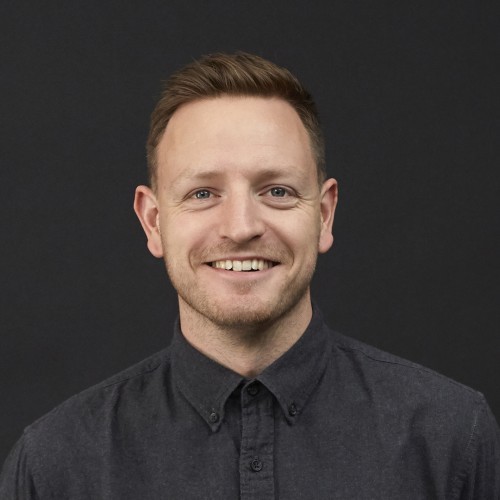
Ewan Graham is an architect and the Health and Science lead at Hawkins\Brown Architects. His work crosses traditional sector boundaries and regardless of geographic location focuses on developing healthy and sustainable places that concentrate on improving access to health and reducing health inequalities. He has led some of the most ambitious projects in London that combine health, research and education and speaks openly about the potential for good design and architecture to positively influence health outcomes. His aspiration is to raise awareness of and improve the way designers, contractors, building commissioners and policy-makers consider the impacts of the built environment on population health.


Farzane Omidi
Assistant teaching professor, Iowa State University, United States
Farzane Omidi is an assistant teaching professor in the Interior Design programme at Iowa State University. She earned her PhD in Interior and Environmental Design from Texas Tech University and holds Bachelor’s and Master’s degrees in Architecture, along with a Master’s degree in Environmental Design with a focus on healthcare design. Her research examines how built environments influence human wellbeing, with particular emphasis on evidence-based design, sustainability, and the role of environmental factors in care delivery. She holds EDAC and LEED Green Associate credentials. With more than a decade of professional experience in architecture and engineering firms, she has contributed to a wide range of building design projects, integrating research-informed strategies into practice.
Femke Feenstra
(Interior) architect-director, partner, Gortemaker Algra Feenstra architects, Netherlands
Femke Feenstra is an (interior) architect-director and one of the three partners at Gortemaker Algra Feenstra architects. The firm bridges the gap between innovation and tradition, combining decades of expertise with fresh ideas. It is also specialised in conducting research and development.
She graduated from the Royal Academy of Art in the Hague and the Rotterdam Academy of Architecture. She believes it is important as a designer to look beyond her own discipline. How can a designer contribute to the future of healthcare, wellbeing, and the built environment? What makes a house a home? Remaining part of society is essential.
Femke is currently working on various research projects, including the Reactivating Hospital and MAYA. Her design projects include Rijnstate Hospital in Elst, Residential care centre Allévo in Zierikzee, Marijke Hiem in Heerenveen, and Health Hub Ipse de Bruggen, Youth Care Institution Campus de Hutten and OCMW Halle.

Fiona Daly
National deputy director of estates, and director of estate sustainability and workforce, NHS England, UK
As the national deputy director of estates for NHS England, Fiona is tasked with leading the strategies, policies and national programmes to decarbonise the NHS estate, improve operational resilience and patient experience, and develop the 100,000 strong estates and facilities workforce; driving innovation, engagement and delivery, and providing healthcare organisations with the critical support they need to implement their plans.
Fiona has 17 years’ experience of working in estates and facilities management and is passionate about reducing health and social inequalities, establishing an estate that supports the transition to sustainable models of care throughout the NHS. She is focused on driving the delivery of a healthy, resilient healthcare estate; tackling organisational leadership, investment in the built environment, and developing the skills and capacity of the current and future NHS workforce. In 2018, she was made an honorary professor at University College London (UCL) for her contribution in supporting the development of students in her field.

Fiona Greer
Assistant head of capital projects; portfolio lead – primary and community care, NHS Greater Glasgow and Clyde, UK
Fiona is an architect and project manager with more than 16 years of experience delivering community healthcare facilities in Scotland and Canada. After graduating from the Mackintosh School of Architecture in 2010, she worked in Toronto on the design and delivery of community health centres serving diverse urban neighbourhoods.
On returning to Scotland, Fiona worked as project architect for Clydebank Health and Care Centre and Doune Health Centre. Since joining the NHS in 2021, she has led health and social care infrastructure projects from the client side, most notably as project manager for the Parkhead Health, Social and Community Care Hub.
Drawing on experience as a designer and client, Fiona brings a specific perspective on the planning, development and delivery of community-focused health and care environments.


Fiona Lennon
Deputy clinical director, New Hospital Programme (NHS England), UK
Fiona Lennon is deputy clinical director in the NHS New Hospital Programme (NHP). An experienced NHS senior manager and registered nurse with a career spanning over 30 years leading complex NHS teams in major acute and specialist trusts. She has worked in strategic health roles at both a regional and national level. Throughout her career she has been involved in various design and build projects, including as a project clinician on the first-ever tripartite private finance initiative (PFI) hospital scheme. Her background gives her an understanding of healthcare management and operational leadership to support the NHP deliver hospitals that are safe, flexible, and efficient for the future.


Fiona Parker
Associate, health advisory team, Currie & Brown, UK
Fiona is an associate in Currie & Brown’s healthcare advisory team with over a decade of NHS clinical and healthcare project experience. Her experience spans service transformation, operations, and infrastructure projects across complex healthcare environments. She is passionate about innovation, improving health outcomes, and ensuring equitable access to healthcare services. Fiona brings strong clinical expertise and a deep understanding of hospital operations, patient flow, and care pathways. She has gained global health experience across Europe, Ireland, Australia, and the Middle East. Fiona is particularly focused on workforce transformation and designing digitally enabled hospitals that redefine future healthcare delivery.
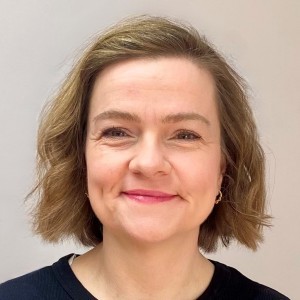
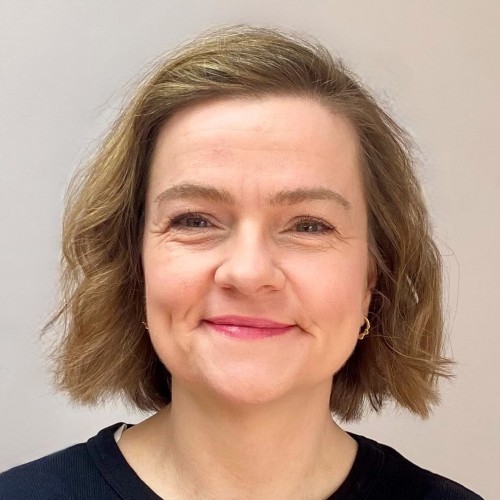
Fiona Smith
Arts in health curator, Children’s Health Ireland, Ireland
Fiona Smith is the arts in health curator with Children’s Health Ireland (CHI). She has over 15 years’ experience in delivering large‑scale participatory arts projects across Ireland and the UK in a range of multifaceted settings. In her current role with CHI, she works in acute healthcare and across multi‑stakeholder partnerships with artists, children, young people, families and clinicians to design and deliver meaningful, creative and impactful arts in health projects in these complex settings.
She champions ambitious artistic practice with the highest quality provision for those taking part and has a particular commitment to how creativity and curiosity amplify the voices of children and young people. Providing strategic leadership across both artwork commissioning for healthcare spaces and participatory and collaborative programmes, she advocates for the arts as a powerful and transformative influence on the delivery of excellent, patient-centred care in these settings.
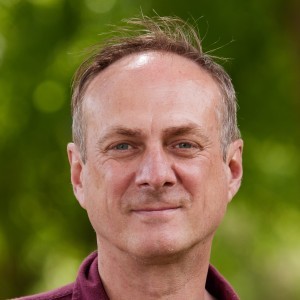
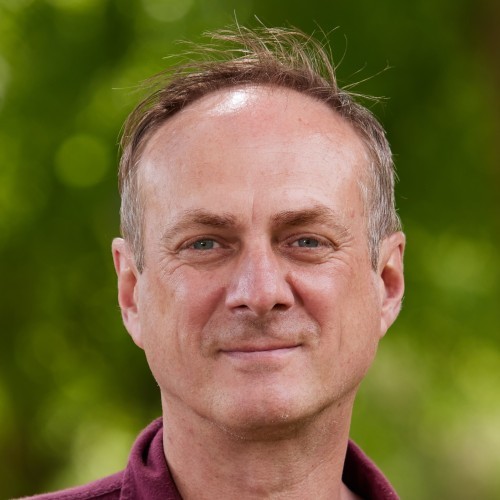
Gareth Banks
Head of healthcare and director, AHR, United Kingdom
Head of healthcare and director at AHR, Gareth Banks is an experienced architect having designed and delivered a number of innovative healthcare projects, which have transformed communities – including the ‘Hospitals Transformation Programme’ in Shrewsbury, and the large, state-of-the-art Cleveland Clinic Abu Dhabi. He is currently working on the NHP programme.
As head of healthcare, he is dedicated to delivering intelligent, future-proof healthcare spaces, which prioritise the health and wellbeing of patients and staff and are built to last. An example of this is the UK’s first building approved under the NHS Net Zero Building Standard, the Countess of Chester Hospital Women and Children’s Building.
With experience both in the UK and internationally, Gareth is an advocate for sharing knowledge to advance patient care and is also secretary of Architects for Health.


Giulia Scialpi
arch. Partner, archipelago architects | UC Louvain, Belgium
Giulia Scialpi is an Italian architect based in Brussels. She holds a postgraduate master’s from CRAterre-ENSAG laboratory, a centre of excellence that manages the UNESCO Chair “Earthen architecture, construction cultures and sustainable development” in Grenoble’s School of Architecture. She is currently working in Belgium for archipelago architects and its R&I team, supporting many research projects with her expertise in circular design. She also works as a researcher and PhD candidate in the Urban Metabolism Lab at the Louvain research institute for Landscape, Architecture, Built environment (LAB) and as teaching assistant at the Faculty of Architecture and Urban Studies (LOCI) of UCLouvain.

Gloria Kain
Vice-president, planning, development and transformation, The Hospital for Sick Children, Canada
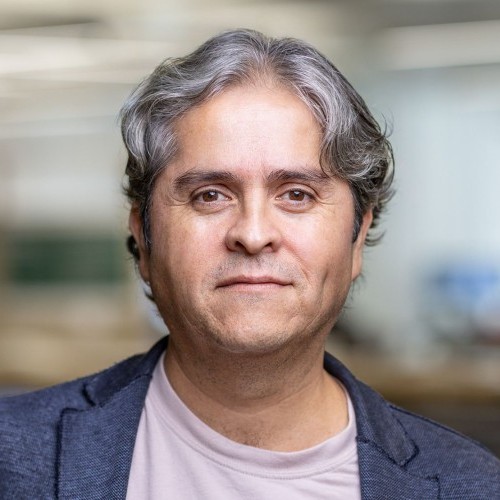
Gloria Kain MHA is vice-president, planning, development and transformation at the Hospital for Sick Children (SickKids), where she leads the organisation’s long-range planning and capital redevelopment. She joined SickKids as executive advisor for Project Horizon and assumed her vice-president role in 2024. Through Project Horizon, she is helping create a phased approach that enables clinical reinvention and generates marketable capital projects.
With over 25 years of healthcare experience, Gloria brings deep expertise in large-scale hospital redevelopment, capital planning, and complex procurement models. Her career spans senior leadership roles in hospital management and healthcare consulting, including vice-president and chief planning and development officer positions within Ontario’s hospital system, as well as senior advisory roles as a consultant.
Gloria held a leadership role in delivering Ontario’s first Design Build Finance Maintain hospital project and has supported multiple large hospital redevelopments using Progressive P3 and other collaborative delivery models. Her work emphasises strong stakeholder engagement, government relations, clinical service planning, and the integration of operational readiness into capital delivery.
Her experience spans acute care, rehabilitation and complex care hospitals, academic and mental health facilities, community-based care, and provincial government environments. Gloria is recognised for her collaborative leadership style and for guiding organisations through transition from planning to successful occupancy and operations. Gloria holds a Master’s degree in Health Administration from the University of Ottawa.

Gonzalo Vargas
Health practice lead – associate principal, Perkins&Will, United Kingdom
Gonzalo’s passion lies in healthcare architecture, where complexity and functionality intersect with the human experience. Over his 20-year international career, he has successfully led creative projects across the UK and Europe through a client-focused approach. From inception to completion, he delivers excellent design outcomes – creating spaces that optimise patient care, streamline workflows, and promote healing through thoughtful layouts, consideration of operational and maintenance factors, and innovative, sustainable solutions.


Günther Niemeck
Director, BDO Austria, Austria
Trained originally as a medical doctor at the Medical University of Vienna, he later changed focus to healthcare consulting and now leads the organizational management team at BDO Austria’s Health Care and Life Science Advisory division in his role as Director. During his more than five years of experience within the company, he has been able to consult on a multitude of different projects, from completely new and modern hospital builds to reuse and extension of existing buildings. His main area of projects involves process development and organizational optimizations in hospitals and similar healthcare facilities. His main driver is the sustainable and future-centric optimization of the healthcare industry in Austria, through building structures that last from a construction and process point of view. He has been an active voluntary contributor to the Red Cross in Austria for over 25 years and currently acts as a Head of District Office.
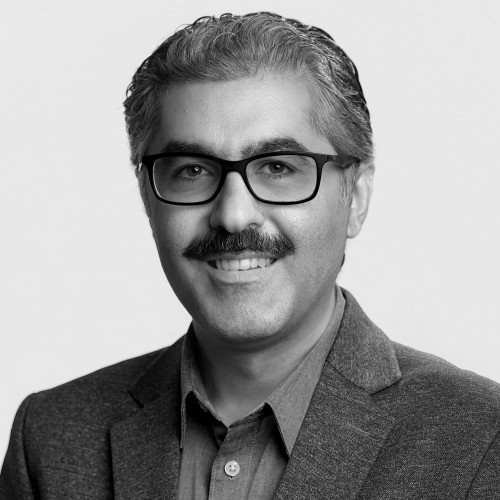
Hamed Yekita
Assistant professor, Iowa State University, United States
Hamed Yekita is an assistant professor in the Department of Interior Design at Iowa State University. He holds a PhD in Interior and Environmental Design from Texas Tech University, where his dissertation examined the association between spatial awareness and situation awareness among ICU nurses. He also holds master’s degrees in Environmental Design and Healthcare Architecture.
Hamed’s research focuses on how environmental design influences clinical cognition, decision-making, and patient safety in critical care settings. His work has been published in HERD: Health Environments Research and Design Journal and presented at major international conferences on healthcare design.
With prior academic appointments in the United States and Iran, along with professional experience as an architectural designer, he integrates evidence-based design, sustainability, and systems thinking into both research and teaching. His scholarship advances resilient healthcare environments that better support frontline clinicians and improve care outcomes.

Harriet Brisley
Associate director, Morris+Company, United Kingdom
Harriet Brisley leads Morris+Company’s health and community sectors, bringing over a decade of experience across public and private healthcare, specialist housing and education projects. She is a committed advocate of the role architecture plays in delivering positive social and environmental impacts, championing wellbeing-driven design, maximising positive ESG outcomes, and promoting collaborative and inclusive stakeholder engagement.
Harriet led the £20m Harold Moody Centre and Early Years Nursery, an exemplary integrated care hub at the heart of the Aylesbury Estate regeneration. Her wider portfolio includes senior living, care home and neighbourhood health centre projects.
She is an active voice in the health design community, recently contributing to the NHS Property Roundtable for the Healthier NHS Developments Framework and presenting on primary care-led neighbourhood design at the Healthcare Estates Conference. Harriet also leads Morris+Company’s social value outreach programmes and POE process development.
Hieronimus Nickl
CEO, Nickl & Partner, Germany
Hieronimus Nickl studied architecture at the University of Applied Sciences Erfurt, graduating in 2003. In 2008, he completed an MBA in International Hospital and Healthcare Management at the Frankfurt School of Finance & Management.
He joined Nickl & Partner Architects in 2003 and, by 2005, was leading projects and teams, with a focus on international assignments. Since 2015, he has been the managing director of the Beijing office, and in 2019, he became a member of the Board of Directors at Nickl & Partner Architects. He additionally holds the role of managing director of Nickl & Partner Architects Germany and Nickl & Partners Holdings.
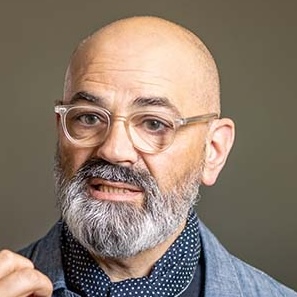
Ibrahim Ibrahim
Managing director, Portland Design, UK
Ibrahim is a designer, retail strategist, futurist and author. He has a degree in Aeronautical Engineering and a Masters Degree in Industrial Design from The Royal College of Art and Imperial College, London.
As the Managing Director of Portland Design which is part of the Perkins&Will global architecture and design group, Ibrahim leads a team of highly strategic and creative thinkers and designers.
Over a career spanning 30 years Ibrahim has worked on a broad range of projects covering retail, F&B, consumer brands, shopping centres, airports, train stations, mixed use developments and urban regeneration. He works with a wide range of clients worldwide, his work covers trend analysis and insights, strategy definition, place branding and experience masterplanning.
Ibrahim’s understanding of consumers’ relationship with brands and their engagement with physical and digital environments lies at the heart of his work. This understanding is built through deep insights into the future of consumerism, retail and brands and their impact our town centres and high streets He is a regular speaker at conferences and a frequent contributor to journals and trade press. He has written for The Economist ‘Insights’. He is also a published author with his book, ‘Future Ready Retail’ which explores the future of retail and it’s impact on brands, the consumer experience, our high streets and town centres.
When he is not overseeing the ‘ideas fuelled’ studio at Portland, Ibrahim is normally found in his workshop making sculpture and furniture, fiddling with classic cars or managing his woodland whilst riding his tractor!
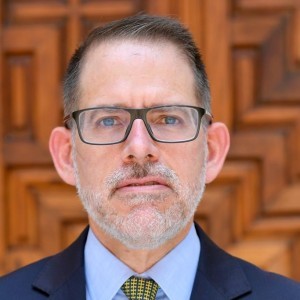
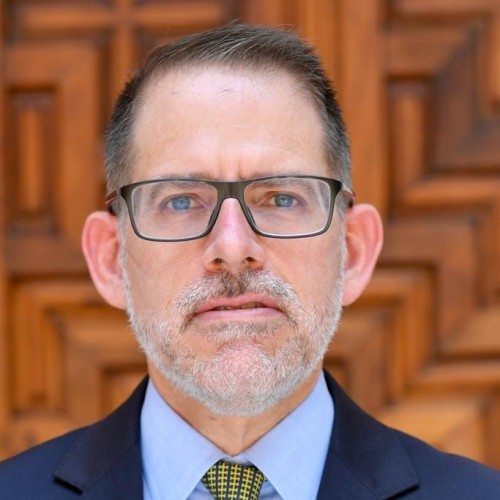
Ignacio Higueras Hare
Ambassador of Peru to the United Kingdom, UK
Ambassador Ignacio Higueras Hare assumed duties as Ambassador of Peru to the Court of St. James’s and as Permanent Representative of Peru to the International Maritime Organization on May 1, 2024.
Ambassador Higueras has been twice Vice Minister of Foreign Affairs, in 2021 and 2022- 2024. He has been chief adviser for the Peruvian accession to the Organization for Economic Cooperation and Development (OECD) and was designated to represent Peru in the negotiations with Bolivia on the new statute of the Autonomous Binational Authority of the Lake Titicaca. In the Ministry of Foreign Affairs, he has also occupied positions in the Direction of Social Affairs and Human Rights; Direction of Economic Promotion; Office of Press and Public Relations and the Cabinet of the Minister of Foreign Affairs. He has also been Head of the Chile portfolio, Director for Mercosur Affairs as well as Director of Integration.
During his career abroad, he has been Ambassador of Peru in Colombia, Deputy Consul General in Paris, Head of Foreign Affairs at the Embassy of Peru in the Kingdom of Belgium, Grand Duchy of Luxembourg, and the European Union. He has also been Head of the Department of Drugs and Political-Military Affairs at the Embassy of Peru in the United States of America and officer of the Economic and Commercial Department of the Embassy of Peru in Chile.
Ambassador Higueras studied humanities and law at the Pontifical Catholic University of Peru and the Institute of Political Studies in Paris, obtaining a degree in International Relations from the Diplomatic Academy of Peru. He holds a Master's degree in International Relations from the University of Birmingham, United Kingdom; master's studies in Political Science from the Catholic University of Chile; and a diploma in Public Policy from the French National School of Administration (ENA).
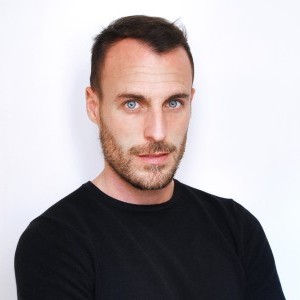
Iván Paul Martín Jefremovas
Architect | Lead advisor for healthcare infrastructure projects, Valencian Regional Department of Health, Spain
Ivan is an architect with a Master’s Degree in Hospital Engineering and Architecture, He is also a civil servant in the Spanish regional administration, with over ten years of experience in public social infrastructure, co-ordinating the planning and supervision of complex facility projects.
Since 2021, he has specialised in healthcare infrastructure projects at the Valencian Regional Department of Health, contributing to flagship projects such as the implementation of a proton therapy unit at La Fe University Hospital in Valencia and the new Campus for the Clinic University Hospital in Valencia, as well as providing cross-cutting support for the Infrastructure Service’s broader portfolio.
In the field of research and dissemination, he is an active member of the Spanish and Valencian Associations of Hospital Engineering and specialises in surgical block design.


Jacqueline Foy
Global health director, HDR, USA
Jacqueline is a healthcare architect with more than 23 years of experience designing environments that advance healing, equity and well-being. Known for her empathetic leadership style and collaborative approach, Jacqueline brings deep expertise in paediatric design as well as research and translational health sciences facilities. Across her career, she has built a reputation for championing design excellence while aligning architectural solutions with the missions of healthcare organisations and the communities they serve.
Jacqueline serves as the global health director for architecture, leading HDR's worldwide healthcare design practice. Based in its Kansas City, Missouri, architecture studio, she collaborates closely with health architecture directors and leaders across design, operations, marketing and business development to strengthen HDR's integrated, multidisciplinary approach to healthcare design. Her focus includes advancing quality and innovation, fostering high‑performance teams and supporting clients as they plan and deliver resilient, people‑centred healthcare environments around the globe.
Certified by the American College of Healthcare Architects (ACHA), Jacqueline is an active member of the Center for Health Design Pediatric Environment Network and a respected thought leader within the healthcare design community. She is deeply committed to mentorship, talent development and creating collaborative cultures that enable teams and the people they serve to thrive.

James Gordon
Associate director, P+HS Architects, United Kingdom
James is associate director and healthcare lead at P+HS Architects with over 20 years’ experience in healthcare design and delivery. He has led complex acute and diagnostic projects across multiple NHS trusts, including critical care expansions, hybrid theatres, emergency departments and cancer facilities . His work draws on lessons learned across live hospital programmes, with a focus on patient flow, infection control, technical compliance, and ensuring the built environment actively supports safe, efficient clinical operations.


Jamie Clegg
Head of digital innovation, Milton Keynes University Hospital NHS Foundation Trust, UK


Jane Ho
Regional practice director, HKS, United Kingdom
Jane Ho is a partner and regional practice director, health, at HKS. She works in the firm’s London office focused on developing the integration of concept and functionality and how people experience healthcare facilities. Jane designs with sensitivity for flexibility and adaptability, developing better buildings for a holistic user experience.

Jason Pearson
Director of healthcare and science architecture, AECOM, United Kingdom
Jason is passionate about delivering inspirational healthcare architecture that provides the very best therapeutic environments to enhance patient, visitor and staff experiences. He has over 16 years of sector experience working collaboratively with key stakeholders on major healthcare schemes, from masterplanning and concept design to identifying complex healthcare solutions to deliver high-quality and innovative clinical facilities.
He has led AECOM’s UK & Ireland healthcare architecture team since 2017, working across the region on a wide range of facilities, including community health centres, acute hospitals, critical care centres, mental health facilities, children’s hospitals, and specialist maternity schemes.
Jason led the design team that delivered the overarching estate masterplan vision for Oxford University Hospital; led the winning scheme for the new Moorfields and UCL Institute of Ophthalmology RIBA competition; led a new ambulatory diagnostic centre for Chelsea and Westminster NHS Foundation Trust; and has provided peer review support on the new Belfast Maternity and Children’s Royal Victoria Hospital in Northern Ireland.
Jens Axelsson
Architect, White Arkitekter, Sweden
Jens Axelsson is an architect and employed at White Arkitekter in Gothenburg since 2015. Jens works with healthcare projects from early stages to project planning, in Sweden and abroad. He is responsible for White's internal network for healthcare architecture and a board member of the Swedish organization Forum Vårdbyggnad (Swedish Healthcare Facilities Network). Jens teaches at Chalmers University in Gothenburg, dept. of architecture, as a guest teacher, at master's and bachelor's level.


Jente Pauwels
Architect, Jente Pauwels Architectuur, Belgium
Jente Pauwels is a Belgian architect with a Master's in Architecture and a specialisation in Neuroscience Applied to Architectural Design. Her work explores the relationship between architecture, cognition, and behaviour, focusing on environments that support mental, emotional, and physical wellbeing.
She works on care and trauma-informed environments for people in vulnerable situations, translating psychological and therapeutic principles into spatial conditions aligned with how the brain and nervous system adapt, regulate stress, and heal. Her research-informed approach examines how sensory stimuli and stress shape emotional regulation, autonomy, and behaviour, and how architecture reinforces or counterbalances these.
After witnessing the cognitive and emotional decline of two women close to her during prolonged isolated hospitalisation, she became driven to investigate how design can protect autonomy, identity, and resilience through balanced sensory environments that prevent both overstimulation and deprivation.
The built environment is never neutral: it can undermine health or actively safeguard it.

Jeremy Cox
Partner, Strategic Healthcare Planning, United Kingdom
Jeremy is a seasoned expert in healthcare infrastructure development, with decades of experience delivering transformative hospital solutions in the UK and across the globe. Specialising in public-private partnerships (PPP), Jeremy has a proven ability to integrate design, construction, facilities management, and finance into cohesive, successful projects. His expertise in bridging public- and private-sector collaboration has been instrumental in addressing strategic planning, phased construction logistics, and long-term operational challenges.
Jeremy has played a key role in numerous high-profile hospital projects, including Bart’s & The Royal, Derby General, and the Karolinska Solna Hospital in Stockholm. Internationally, he has worked with Ministries of Health in Oman, Turkey, Moldova, Uzbekistan, Singapore, and Thailand, contributing to the development of cutting-edge healthcare facilities. His notable achievements include leading the feasibility study for Medical City in Oman, advising on hospital developments in Salalah and Khasab, and supporting Turkey’s development of 22 acute and mental health hospitals.
With a track record of delivering projects worth billions, Jeremy is recognised for his ability to manage complex developments, foster collaboration, and navigate challenging environments. His leadership, strategic insight, and commitment to excellence have made him a trusted partner in creating world-class healthcare infrastructure that meets the needs of diverse communities.


Jessica Mudry
Professor, director, Toronto Metropolitan University, Canada
Dr. Jessica Mudry is a Professor and Chair of the School of Professional Communication at Toronto Metropolitan University and the Founding Director of the Healthcare User Experience (HUE) Lab, a collaborative initiative with various healthcare teams in the Greater Toronto Areal. Her interdisciplinary research integrates communication theory, health systems analysis, and user-centered design to transform clinical environments and tools.
Dr. Mudry’s current work focuses on advancing equity in healthcare design, including the development of inclusive surgical hardware and patient-centered post-surgical recovery garments. Notably, she leads a New Frontiers in Research Fund (NFRF) project to redesign hospital hallways through modular emergency department seating.
Dr. Mudry also serves as an Affiliate Professor at the École des hautes études en santé publique (EHESP) in France, bringing a global perspective to her work on how design-driven methodologies can improve health outcomes and humanize the built environment.

John Cooper
President, Architects for Health; Director and co-owner, JCA, United Kingdom
John is a leading figure in healthcare design and has been a principal in practice for 35 years. He is actively engaged in reshaping the healthcare environment and improving and re-forming its architecture, combining an expert understanding of health planning with genuine design skills at both a strategic and a detailed level.
He set up JCA in 2009 with Hrafnhildur Olafsdottir. The practice has worked in the UK, Ireland, South Africa, Iceland and Australia and is currently working in Switzerland and Palestine. This provides John with an international perspective and a wide ranging knowledge of best practice. He has led government report panels and provided peer review on major projects in the UK and Australia.
John co-founded Avanti Architects in 1981, pioneering social architecture and designing a wide range of residential, community and regeneration projects. In 1995 he led the design team for the ACaD Centre and on the strength of this project Avanti developed rapidly as a major healthcare practice under his leadership.
After 20 years at Avanti, John joined Anshen Dyer (reformed as Anshen + Allen in 2006) as Healthcare director and in his seven years at the practice A+A won and designed 12 major projects from complex tertiary hospitals for oncology, paediatrics and maternity to innovative community facilities and competition winning mental health units.
He is a regular speaker at conferences in the UK and overseas and has written for the major architectural journals in the UK. He was chair of Architects for Health (2009–2014) and is still actively engaged in this organisation.

John Naylor
Senior researcher, Ryder Architecture, United Kingdom
John joined Ryder in 2024. He gained his diploma at the Architectural Association in 2013, winning the Foster + Partners' Prize for Sustainable Infrastructure. He has experience on complex projects in the UK, Singapore, Malaysia, China and Haiti, such as the Qingdao Eden Project. His interest lies in developing wider use of bio-based materials in construction in lower- and middle-income countries. In 2014, he set up the bamboo Visiting School programme at the Architectural Association, which he now co leads as the AA-ITB BambooLab. He is studying a PhD in Engineering at Newcastle University, and in 2022, he was named one of the RIBA Rising Stars.


Jonathan Hasson
Project architect, HDR, United Kingdom
Jonathan is a project architect with significant UK healthcare experience for both public and private clients. Jonathan is highly experienced in leading the complex design and delivery of healthcare projects; in particular, his project architect roles on NHP Hospital 2.0, Airedale District General Hospital, and Cambridge Cancer Research Hospital.
He is proficient at working on BIM Level 2 projects and has an in-depth understanding of the co-ordination of construction information across multidisciplinary teams with a focus on compliance, fire safety, emerging technologies, and user experience.


Jordan Chow
Senior assistant manager, National University Health System, Singapore
Jordan is working in the NUHS Corporate Infrastructure Office under the engineering team, where he focuses on integrating diverse building systems and elevating them through advanced digital technologies, such as data analytics, machine learning, preventive maintenance, digital twins, and AI applications. The aim is to improve operational efficiency and system reliability, and better inform decision-making across healthcare facilities.
Recently, Jordan piloted the implementation of the integrated data platform at NUH Medical Centre, Levels 18 & 19. This project involves integrating multiple building systems into a unified environment, enabling real-time monitoring and deeper insights, and improving system efficiency. This pilot helps pave the way and sets the foundation for expansion and new hospitals in future.


Jorge Anaya
Principal, health architecture, Jacobs, New Zealand
Jorge Anaya is a health architect with more than 20 years of experience, based in New Zealand, specialising in the planning and design of healthcare infrastructure across New Zealand and Australia. Working within a multidisciplinary team of architects and health planners, he focuses on programme-based approaches to hospital delivery and the integration of standardised design methodologies. Jorge is currently involved in the development and implementation of Health New Zealand’s Building Hospitals Better programme and its national Kit of Parts across multiple hospital campuses.


Joshua Igbineweka
Clinical fellow and pharmacy SME, New Hospital Programme (NHS England), UK
Joshua Igbineweka MPharm (Hons), PGDip, IP, is an experienced pharmacist and senior healthcare advisor specialising in strategy, design, and transformation. As clinical fellow in the NHS New Hospital Programme, he is chair of the programme’s patient safety working group. Joshua’s work also centres around harnessing innovation at scale, redesigning the hospital medicines management ecosystem for the future and advancing medicines optimisation in modern healthcare environments, which integrates digital automation, robotics, and new ways of practice.
Joshua has spent most of his clinical practice working as a specialist pharmacist in haematology and oncology at a major London teaching hospital, where he acquired his independent prescribing qualification.


Juan Portuese
Partner, DIALOG, Canada
Juan Carlos is an award-winning architect with extensive experience delivering complex institutional projects across healthcare, civic, academic, and community sectors in Canada, the United States, and internationally. Juan’s work is grounded in a deep understanding of architecture as both a technical and cultural discipline. He has led and contributed to projects of significant scale and complexity, collaborating with multidisciplinary teams to deliver environments that perform under real operational, regulatory, and social demands.
His work focuses on projects where architecture carries real consequence, shaping how care is delivered, how institutions earn trust, and how communities experience clarity, dignity, and belonging. Juan Carlos balances rigour, accountability, and high-performance design with a strong commitment to environmental stewardship, pursuing architecture that endures, responds to climate, and supports a low-carbon future. Known as a collaborative leader, he unites clients, consultants, constructors, and communities around shared goals, creating distinct, context-specific solutions that advance both design excellence and architectural thinking.
Juliane Stiegele
Artist, Designer, Utopia Toolbox International Art Collective, Germany, Germany
Juliane Stiegele is an artist, designer and founder of the international art collective UTOPIA TOOLBOX, creative people from various professions who share their interest in designing our future life on the globe.
The collective works on the basis of an open notion of art which includes many fields of society researching in theory and practice how art can become a natural resource for social design processes. Society is our studio.
The project is based in Germany and runs satellites in Detroit/USA and Taipei/TW.
Juliane has been Professor at University of Bolzano/IT and Visiting professor at the National Taipei University of the Arts/TW, as well as lecturer at Aalto University Helsinki/FIN. Among her exhibitions: Sculpture Center New York, Museum of Contemporary Art Shanghai/CN, Go Eun Museum, Pusan/KOR. Among her awards/grants: Annual grant of Pollock-Krasner Foundation, New York, KUNSTFONDS Germany, Red Dot awards in different fields of design.
Publications: UTOPIA TOOLBOX volume 1–3.


Karl-Robert Gloeck
Chief architect, Western Cape Department of Infrastructure, South Africa
Karl-Robert Gloeck is a chief architect in the Chief Directorate Health Infrastructure of the Western Cape Government Department of Infrastructure, with a focus on implementing resilient, sustainable, and socially responsive public healthcare facilities in a South African context. His current role as project leader sees him manage healthcare projects of varying complexity from satellite clinics along the rural West Coast Winelands areas to a large regional hospital in the Cape Town Metropol.
As a Green Building Council of South Africa Accredited Professional (new builds, existing building performance and net zero), he also led a small internal team to certify existing buildings in the Department’s portfolio, including the first ever four-star rated public building on the Existing Building Performance tool. His work aims to support long-term public-sector transformation by delivering facilities that balance environmental performance, operational practicality, and user-centred design. He lives in Cape Town.


Kathryn Foskett
Head of partnerships and solutions, Northern Europe, GE HealthCare, UK
Kathryn is head of partnerships and solutions, Northern Europe, for GE HealthCare. She has led strategic partnerships, government engagement, and large-scale transformation across the NHS, the UK, Ireland, and Northern Europe. Kathryn provides leadership at the intersection of policy, clinical pathways, and technology. She focuses on delivering sustainable system change, modernised diagnostics, and improved operational performance.
She is recognised for shaping high-value alliances and accelerating early intervention models across complex health systems. Kathryn delivers board-level insight, cross-sector co-ordination, and forward-looking strategies.
Her work improves patient outcomes, enhances efficiency, and strengthens the resilience of health systems.


Kathy Skelly
Director of Women’s and Children’s Program, Trillium Health Partners, Canada
Kathy Skelly is the director of the Women’s and Children’s Program at Trillium Health Partners, bringing more than 25 years of experience in healthcare focused on advancing the wellbeing of women, children and youth. Throughout her distinguished career, she has developed extensive expertise across paediatrics, neonatal intensive care, birthing services, women’s reproductive health, oncology, and emergency care. Her leadership is rooted in values-based principles and a deep commitment to fostering strategic partnerships that drive meaningful, system-wide improvements while championing integrated, patient-centred approaches that address the diverse needs of women and children.


Katie Wood
Director, Archus, United Kingdom
An experienced programme manager, project director and technical advisor, Katie has successfully led the development of strategy, business cases, planning and delivery for a wide variety of programmes and projects across the UK, Australia, Canada, Peru, Africa and Central Asia through her 34-year career. She is recognised as a leader in international healthcare infrastructure development.
Katie brings together technical, people and process expertise and combines local capability with global best practice.
Her project experience includes:
• business cases, planning, design and implementation for large, complex healthcare facility developments;
• international Public Private Partnership (PPP) and design-build delivery routes;
• establishing and successfully implementing national healthcare programmes;
• transformational change covering organisations, people, processes and digital systems; and
• technical guidance leadership, including World Bank IFC as well as UK Health Building Notes and Health Technical Memoranda.


Keir Dawson
Healthcare sector and national frameworks lead, Laing O’Rourke, UK
Keir’s experience spans both the public and private sectors. During more than 12 years in clients & markets at Laing O’Rourke, he has led major bids and opportunity proposals, helping to secure some of their largest projects across all sectors. This includes their current pipeline of hospital projects procured through positions on the Cabinet Office’s Construction Works and Associated Services (CWAS) and ProCure23 frameworks – in particular, Cambridge Cancer Research Hospital, Bristol Royal Infirmary and Calderdale Royal Hospital.
He has spent more than three years as part of a Laing O’Rourke team tracking and engaging with the New Hospital Programme and he was embedded in the strategy development and production of the tender that helped secure a place on the Hospital 2.0 Alliance that will deliver the Programme.
He started his career at the NHS in health promotion, working directly with public health leadership and reporting to NHS England. He also worked in business development for seven years for international law firm Addleshaw Goddard, where he helped to secure positions on FTSE 100 company legal panels and developed client-focused legal services products.


Kerri Culver
Chief planning officer, University Health Network (UHN), Canada
Kerri Culver serves as the chief planning officer at the University Health Network (UHN), where she oversees the planning and development of 8 million square feet of healthcare space with a project portfolio valued at $3 billion. In this role, Kerri leads transformative initiatives that shape the future of healthcare delivery in Canada.
Among Kerri’s flagship projects is the Aspire project, a 15-storey surgical tower in the heart of Toronto, which will introduce 20 state-of-the-art operating rooms, significantly expanding UHN’s surgical capacity. Kerri is also spearheading the planning for a Proton Particle Therapy Center, which will be a ground-breaking advancement in cancer treatment that will transform patient care and outcomes.
With a professional background in architecture, Kerri brings a blend of design expertise and strategic vision to healthcare infrastructure planning and development. Her leadership ensures that every project aligns with UHN’s mission to deliver world-class patient care while fostering innovation and sustainability. Kerri is working with Dr Andrew Boozary to further his vision for housing as a social determinant of health.
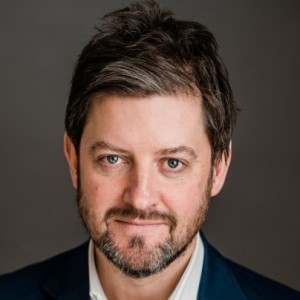
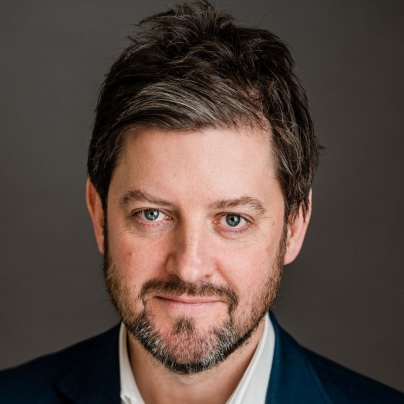
Kevin Bates
Director, Scott Tallon Walker Architects, Ireland
Kevin is a director of Scott Tallon Walker Architects (STW), with 25 years’ national and international experience, and is a recipient of the Royal Institute of Architects of Ireland Triennial Gold Medal Award, which is the highest honour in Irish Architecture.
Kevin specialises in the design of complex, innovative healthcare, science, and research buildings and he leads the healthcare sector across the practice. He has played a key role in the design and delivery of award-winning projects, such as the University College London Hospital Grafton Way Building, the National Forensics Mental Health Service in Dublin, and the Tyndall National Institute in Cork, recognised as Europe’s leading research centre in integrated Information and Communications Technology.
Kevin established and managed STW’s Middle East office from 2010 to 2014 and was design director in our London practice from 2014 to 2021, securing STW’s place on the University of Oxford’s Framework for large-scale projects.
He is passionate about supporting and guiding the next generation of architects and has been a visiting tutor in Schools of Architecture in Cork and Waterford and King Saud University in Riyadh. He has also chaired the RIAI Scott Tallon Walker Student Excellence Award, and in 2016, he was a UCD Alumni guest speaker, celebrating the contribution UCD architecture graduates have made in London.

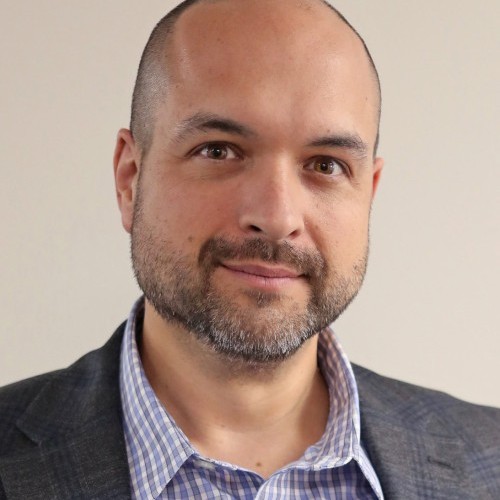
Kevin Higgins
VP, product management, Austco Healthcare, United States
Kevin wears many hats within healthcare technology. Among them, he works with clinical teams to uncover needs and opportunities, and with the engineering team to bring products to life. He is a regular speaker and global product evangelist.

Kevin Sureshkumar
Technical director, digital advisory and transformation , Lexic, member of WSP, UK

Kevin Sureshkumar
Technical director, digital advisory and transformation , Lexic, member of WSP, UK
Kevin is a digital design and transition specialist focused on designing the end-to-end services from the user’s point of view, within the context of new healthcare facilities. He has led digital workstream and digital enterprise architecture activities across a number of new hospital projects where Lexica’s work often involves bridging the gap between technical solutions and practical healthcare delivery, ensuring that technology serves to enhance, rather than complicate, the patient experience.
In recent years, Kevin has led engagement work with architects, health planners, clinical and operational stakeholders, local health and social care partners and patient groups to build cases for digital, outlining the necessity for innovation and transformation.

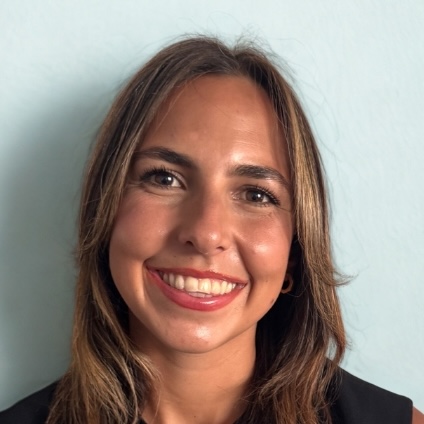
Kiara Corso
Research assistant, Monash University, Australia
Kiara Corso is a health and design researcher with an interdisciplinary background in psychology, physiology and participatory design. She recently completed a Master's in Global Collaborative Design Practice at the University of the Arts London and Kyoto Institute of Technology, where her work explored the use of co-design tools to improve pain communication in clinical contexts.
Kiara currently works as a research assistant in neurorehabilitation and neurodisability, contributing to projects in traumatic brain injury, chronic pain and health education. Her work employs mixed-method approaches, including participatory and creative workshops, qualitative interviews and systematic reviews, with a strong emphasis on collaboration with patients, caregivers, clinicians and multidisciplinary teams.
Kiara’s research is nestled between healthcare, design and communication, with particular focus on patient-centred care, inclusive research methods and the translation of research into practice. She is predominately interested in developing interventions that enhance healthcare experiences, particularly for vulnerable and underserved populations.
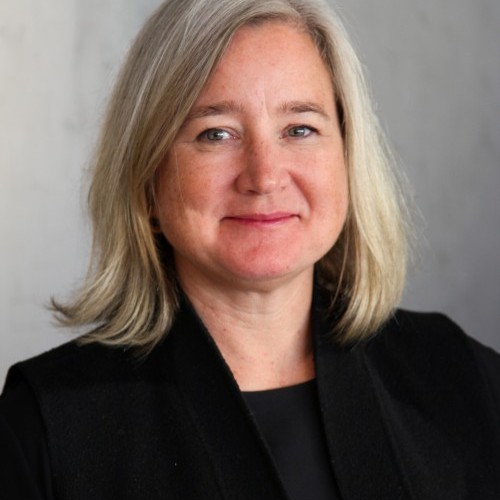
Kirsten Reite
Principal, Kirsten Reite Architecture, Canada
Kirsten Reite is an Architect and Fellow of the Royal Architectural Institute of Canada (FRAIC), with over 30 years of experience shaping the built environment across British Columbia, Alberta, Saskatchewan, Manitoba, and Ontario. As the founder and Principal in Charge of Kirsten Reite Architecture (KRA), a Vancouver-based firm specializing in healthcare, institutional, and community-focused projects, Kirsten has led the delivery of more than 150 projects, ranging in scale of up to $4 billion in construction value.
Kirsten is widely recognized for her expertise in alternative procurement models and her ability to deliver complex projects through innovative design, thoughtful planning, and meticulous project management. Her leadership on major healthcare projects includes the $898M Victoria Hospital Redevelopment in Prince Albert, SK, the estimated $3.9B New Edmonton Hospital (Compliance) in Edmonton, AB, and the Haida Gwaii Hospital and Health Centre in Daajing Giids, BC.
Kirstie Irwin
Principal, BVN, Australia
BVN principal, Kirstie Irwin has over 20 years’ experience delivering technically complex healthcare projects in Australia and the UK. She is a strong conceptual thinker who has played critical roles in developing designs for many notable health projects. Kirstie has successfully led clinical and architectural teams to deliver projects with clarity and attention to detail.
Kirstie's expertise spans master planning, health, aged care, mixed-use residential, and commercial schemes. She brings local and international perspectives to a project's clinical planning and design, meeting key objectives whilst reflecting evidence-based design principles and best global practice.
Every health project becomes an opportunity to enable collective thinking and embody a regenerative approach. Her goal is to achieve high-quality design initiatives that improve user experiences while enhancing the physical environment.


Kit Knowles
Sustainability consultant, Ecospheric, United Kingdom
Kit Knowles is director of Ecospheric, an award-winning Passivhaus design and low-energy consultancy specialising in complex net-zero projects. He served as NHS net-zero carbon co-ordinator for the Countess of Chester Women & Children’s Building, the first hospital in England to achieve the NHS Net Zero Building Standard. In this role, Kit led sustainability strategy and compliance, co-ordinating the design team to meet rigorous targets for embodied carbon, operational energy, and whole-life carbon. The project achieved a 220MWh reduction in energy demand, delivered 25-per-cent lower upfront carbon than required, and is fully gas-free, powered by heat pumps and renewable electricity.
Kit’s work bridges energy consultancy, academic research, and sustainable property development to deliver evidence-based decarbonisation strategies. He has co-authored research on heritage retrofit with the University of Liverpool and holds leadership roles as chair and acting executive of the Association for Environment Conscious Building and Trustee of the Passivhaus Trust.
Kris Mackay
Place director, 360 Degree Society, United Kingdom
Kris Mackay is commercial director at 360 Degree Society, bringing over 20 years’ experience across general practice management, health and social care, public health, housing, regeneration and the voluntary and community sector. Her work focuses on tackling social inequality through place-based, collaborative and community-led approaches that connect health, housing, enterprise and community infrastructure.
Kris combines frontline operational experience in primary care with strategic system leadership, supporting NHS organisations, local authorities and cross-sector partnerships to design and deliver integrated neighbourhood health models. She played a senior leadership role in the £20m Well North Programme and has contributed to long-term system innovation work in Surrey, Yorkshire and other ICS areas, helping rethink the role of hospitals, primary care and community assets within wider transformation programmes. She is a fellow of the Institute of Place Management and holds an MSc in Leadership and Innovation.

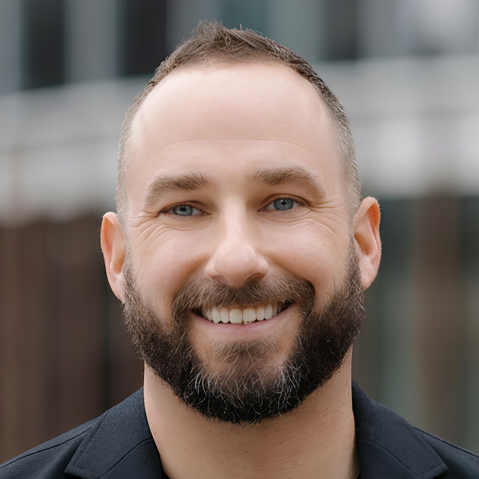
Kyle Basilius
Principal, Parkin Architects, Canada
Kyle is a principal and dual-licensed architect (Canada and Us), as well as a board-certified healthcare architect. With nearly 20 years of experience, he collaborates closely with clinicians and clients, specialising in the programming and masterplanning of healthcare facilities across the United States, Denmark, and Canada.
Kyle is deeply engaged in the global healthcare design community. He serves on the Board of Regents of the American College of Healthcare Architects (ACHA); is helping to launch the North American chapter of the UK-based Design in Mental Health Network (DiMHN); and sits on the board of Rum for Æstetik, a Copenhagen art gallery that advances equitable access to experimental art for people of all ages and backgrounds.
He has contributed as the volunteer technical architect for the International Federation of Healthcare Engineering (IFHE) on the WHO and WFP-led INITIATE² Infectious Disease Treatment Module (IDTM) project, which creates a patient-centred design approach for rapidly deployable emergency modules; serves on the Canadian Standards Association (CSA) Health Care Facilities Standards Working Group; and has guest lectured at Texas A&M University on cultural and ethical considerations in global architectural practice.


Lara Gregorians
Postdoctoral researcher, Architectural Cognition in Practice, ETH – Zurich, Future Cities Lab, Singapore
Lara is a postdoctoral researcher and module co-ordinator in the Architectural Cognition in Practice group. She holds a PhD from UCL, in which she sought to bridge the worlds of spatial cognition and neuroarchitecture by exploring architectural experience as a combination of spatial, aesthetic and affective processing. Lara is experienced in analysing subjective, physiological and neural responses to spaces, having run real-world behavioural studies and fMRI-neuroimaging studies on architectural experience. As part of the ACP group, Lara will be carrying out empirical research exploring person-environment interactions, as well as collaborating with industry partners to work on translating architectural cognition research into practice.
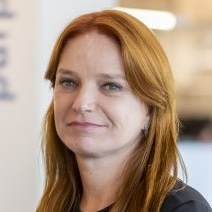
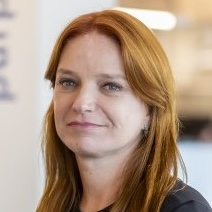
Lara Kaiser
Healthcare design leader and principal, Perkins&Will, Brazil
An architect and urban planner with over 25 years of experience in healthcare architecture, Lara is a principal and chief operating officer at Perkins&Will’s São Paulo studio. She holds a Master’s in Building Design for Health (London South Bank University) and a post-graduate degree in Project Management (Poli-USP). She spent ten years working in the United Kingdom and taught in the post-graduate programme at Faculdade Albert Einstein. Co-author of the book 'Healthcare Buildings' and certified as a LEED GA by GBC Brasil, she is a frequent speaker at specialised events in the US, Latin America, and Europe. Lara has led multidisciplinary teams in major, internationally recognised projects, including the Albert Einstein Teaching and Research Center, Prevent Senior Morumbi, Albert Einstein Vila Mariana General Hospital, and Sabará Children’s Hospital.
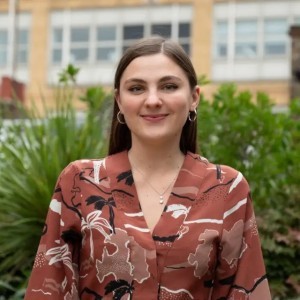
Laura Bradshaw
Arts programme manager, CW+, United Kingdom
Laura joined CW+ as arts programme manager in November 2023. She works across the arts programme, with responsibilities including managing collection activity and delivering art commissioning within the capital projects portfolio. Laura recently completed the MASc in Creative Health from UCL and her arts in health career began as the first NHS arts apprentice in 2019. Laura is especially passionate about the role of creativity for improving healthcare staff wellbeing. Prior to joining CW+, Laura worked as assistant arts curator at UCLH NHS Foundation Trust and brings her experience of hospital arts programming to the role.

Laura Sen
Partner, architect, Vitaller Arquitectura, Spain
Laura Sen joined Vitaller Arquitectura in 2012 and is currently a partner. An architect having studied at ETSAB-UPC, she is also a BIM expert.
Vitaller Arquitectura has developed projects in all phases, from the creation of master and functional plans to overseeing the construction. It has more than 20 years of experience in healthcare and social care architecture. It has worked on the design of several medical care facilities, developing and creating proposals that foster human scale, as well as the comfort and wellbeing of users.


Laurent Grisay
ir. arch. Chairman, archipelago architects, Belgium
Laurent Grisay is an architect and civil engineer with more than a decade of experience in healthcare design, covering all project phases from the strategic vision or masterplan to the monitoring of the construction site. He is chairman of the board at archipelago Brussels and is responsible for some of the largest projects in the company’s broad healthcare portfolio, such as the CHU Helora network, the new Tarbes-Lourdes hospital, the new CHR Centre-Sud (Vivalia), the extension of CHwapi in Tournai, the circular reconstruction of IZZ Bracops, etc.
He obtained in 2014 an Executive Master in Management of Large Construction Projects and cultivates his interest for innovation by regularly participating and sharing his experience in healthcare congresses.
Leanne Guy
Principal and health sector leader, Hassell, Australia
As Hassell’s health sector Lead, Leanne brings strategic leadership and insight through a background in nursing and design with over 25 years of experience with public and private healthcare clients in Australia and the United Kingdom.
She’s worked on many complex developments, including the Royal Children’s Hospital in Melbourne, and recently, the New Mount Barker Hospital in South Australia. Her extensive portfolio and experience as a healthcare professional have deepened her understanding of the clinical and operational needs of complex health facilities – and that insight translates into innovative and highly efficient design solutions.
Actively involved in Hassell’s health research, Leanne is passionate about ensuring that design outcomes meet the evolving needs of clients and communities, improving not just the quality of space but ultimately people’s wellbeing.
Lee Boon Woei
Director, National University Health System, Singapore
He is a director of NUHS Infrastructure Office and leads improvement and strengthening of engineering resilience, formulating solutions that enhance the resilience of services and optimise efficiencies. He is also deputy chief sustainability officer of NUHS Office of Sustainability. He is tasked to steer the NUHS Green Plan to meet the evolving development in sustainability, and roll-out sustainability initiatives so that healthcare facilities can transit towards a low-carbon economy.
Having worked in building consultancy for over three decades and witnessed the evolution of green, digital technologies and increased awareness of sustainability in the industry, he understands the importance of adopting innovation in health facilities to capitalise on technological advancement to improve building operational efficiency and decarbonise healthcare operations. IDP is a pilot project where digital solutions are adopted in building operation to develop machine learning operating algorithms that identify operating patterns, detect operational abnormalities, and predict potential failures of equipment and systems.
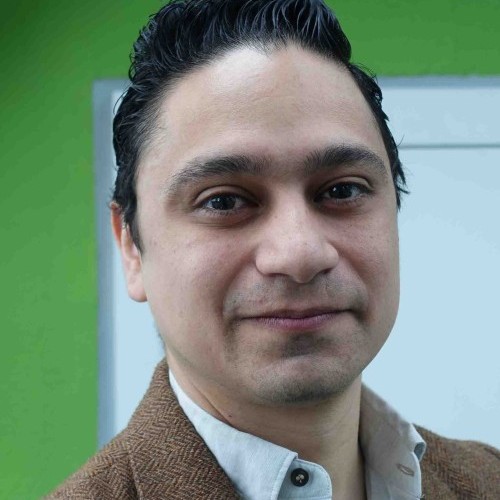
Leonel Aguilar
Lecturer at the Department of Humanities, Social and Political Sciences, ETH – Zurich, Future Cities Lab, Singapore
Leonel Aguilar is a lecturer and senior researcher at the Cognitive Science group (COG) and the Data Science, Systems and Services laboratory (DS3), ETH Zürich. Previously, he has held postdoctoral appointments at the Computational Social Science group (COSS), ETH Zurich, and the Research Center for Large-scale Earthquake, Tsunami and Disaster (LsETD, now CESERI) at the Earthquake Research Institute of the University of Tokyo, Japan. Leonel pursued his PhD at the Computational Science and High-Performance Computing Laboratory at the University of Tokyo.
Previously, Leonel held a principal lecturer appointment at del Valle University, Guatemala in both the Mathematics and the Civil Engineering departments. His research focuses on modelling and simulating social phenomena. In the context of an emergency evacuation, he has studied the interaction between different modes of transportation (i.e. pedestrians and vehicles), created models based on these interactions, and developed and optimised software to quantify large scale human mobility using high-performance computing infrastructure, such as K computer, Oakleaf/bridge, and Euler. Recently, in order to create more accurate behavioural models and simulations, he has explored the evolutionary properties of abstract agents driven by deep and shallow reinforcement learning.
Additionally, he has performed VR experiments to contrast the behaviour of humans with that of AI-driven agents. His current aim is to bridge the techniques and experiences from the engineering of pedestrian dynamics models and simulations, the high-performance computing techniques used to compute these models efficiently, the data science and machine learning techniques used to perform knowledge extraction and create data-driven models and the experimental design and knowledge gathered in cognitive science about human behaviour and decision-making.
Lianne Knotts
Director, Medical Architecture, United Kingdom
Lianne is a director of Medical Architecture and a senior healthcare architect with 18 years of experience shaping complex clinical environments. She brings deep sector knowledge across stakeholder engagement, health planning, feasibility studies, and full design-to-construction delivery. A specialist in mental health facility design, Lianne serves as a trustee of the Design in Mental Health Network, contributing to global thought leadership in therapeutic environments. Her strength in user consultation has led her to collaborate closely with local architects and clinical teams internationally, including recent work in Toronto and Prince Edward Island. Lianne’s portfolio spans award-winning projects recognised by RIBA, Building Better Healthcare, the Design in Mental Health Network, and the International Academy for Design & Health, reflecting her commitment to creating safe, dignified, and healing spaces for patients and care teams.
Lilian Leistad
Hospital planner, Sykehusbygg HF (Norwegian Hospital Construction Agency), Norway
Lilian has been working in Sykehusbygg HF (Norwegian Hospital Construction Agency) since 2017. The job covers early planning of hospitals (including estimating future hospital activity and capacity needs) and pre- and post-evaluation of hospitals and monitoring through the phases of a project. Additionally, the job includes developing evaluation tools and guidelines, in co-operation with internal and external actors, including health authorities and other relevant institutions.
Previous work has been related to research within molecular medicine and epidemiology, including health registries and health studies, as well as biological material and contribution to public reports (e.g. National health and hospital plan). She has a Master's degree in Cell Biology and holds a PhD in Molecular Medicine from the Norwegian University of Science and Technology (NTNU) in Trondheim. Her thesis was about the role of inflammatory mediators in rheumatic diseases.


Linda Ryan
Assistant professor, Maynooth University, Ireland
Dr Linzi Ryan is an assistant professor in Design Innovation and the PhD director for the Department of Design Innovation at Maynooth University. Her academic focus is on the implementation of design methodologies to address complex societal and organisational challenges, particularly in public-sector reform and healthcare. Dr Ryan's award-winning doctorate research progressed the study of product service systems (PSS), examining the cultural and structural transitions required for organisations to move from product to service-orientated models. She has applied her expertise to significant projects, including leading an INTERREG project that resulted in a permanent change to dementia services in the North West of Ireland, and training more than 170 public-sector staff in service design, leading to direct improvements in service delivery. Her recent projects include co-leading evaluation work for the national HSE Spark Innovation Programme and the development of a cooling sole for people with EBS. She continues to consult and collaborate with public bodies, leveraging design thinking to improve internal processes and service innovation.


Lucia Devitt
Consultant, BDO Austria, Austria
Trained originally as a biochemical researcher with a PhD in molecular medicine, she now applies her training to healthcare consulting. During her time in consulting, she has gained experience in a variety of projects, focusing on the complex interplay of the different avenues for optimization. Her main area of projects involves strategy development for the public healthcare sector in Austria as well as workforce planning and staffing requirement calculations. Her goal is to foster a deep understanding for the needs that arise in the healthcare industry from both the employee, patient and systems side, to help shape a sustainable healthcare future. Due to her training background, her interest also lies in the scientific exchange and monitoring of these change processes to create a reliable base of best-practice cases and applicable guidelines for improvement pipelines.


Luis Esteban Alberdi
Architectural head, Sacyr, Spain
Luis is the architectural head of Sacyr and ARB Membership, with a vast professional experience in design, construction, maintenance, repair of large-scale developments across the hospitality, commercial, residential and healthcare sectors.
He joined Sacyr more than 25 years ago and has always been responsible for the complete management of project construction works on some of Sacyr’s largest and most complex and challenging projects. Luis has built more than 6m sq ft as design manager on site, and has also led relevant healthcare international bidding competitions of design and build with Sacyr, many of which also included the O&M scope, in Spain, Portugal, Italy, UK, Chile and Canada. That’s why he has become one of the most experienced specialists in healthcare and singular buildings construction within the company.
His core expertise lies in shaping complex projects from early strategic definition through to full delivery, commissioning and operational readiness. He is recognised for strong analytical thinking, decisive problem-solving and the ability to align diverse stakeholders around clear, achievable outcomes.


Luke Le
Principal, NORR Architects and Engineers, Canada
Since joining NORR in 2005, Luke has been instrumental in developing the Health Sciences Studio in Toronto, ON. His commitment to building strong relationships with his clients and understanding their vision and goals has produced creative solutions. Luke is a hands-on Principal with diverse proven leadership experience as a Project Manager and Studio Manager and has led multiple projects across a multitude of healthcare facilities. He has worked to perfect the design process and protocols in partnership with project representatives and clinical leaders to solve operational and clinical challenges.
Luke brings a deep understanding of healthcare practices combined with technical knowledge and business acumen, and champions positive transformational change and continuous quality improvement through project execution. Luke is passionate about helping others and reimagining how healthcare design services are executed and delivered.


Magda Matuszewska
Assistant professor, Poznan University of Technology, Poland
Dr Magda Matuszewska is an architect, researcher, and assistant professor at the Faculty of Architecture, Poznań University of Technology, specialising in healthcare architecture. She leads the interdisciplinary postgraduate programme “Investments and Design in Healthcare”, developed in collaboration with Poznań University of Medical Sciences, integrating design, clinical, and investment perspectives.
Her doctoral research developed methodological frameworks for evaluating hospital environments, contributing to the advancement of evidence-based assessment in healthcare design. The work was recognised with a prize from the Polish Ministry of Development and Technology for excellence in architecture-related doctoral research. She holds degrees from the Royal College of Art in London, Poznań University of Technology, and SWPS University.
Her work integrates design, research, and emerging technologies to advance therapeutic, inclusive, and participatory healthcare environments. She develops original methodologies incorporating AI to support the evaluation and transformation of healthcare settings. Her research is presented and published internationally, strengthening evidence-informed approaches to the design of healthcare environments.


Majd Ebwini
Principal medical planner and head of healthcare planning, Dar (a Sidara Company), Jordan
Majd is a senior architect, healthcare planner, and PMP-certified professional with 30 years of experience, including 24 years specialising in clinical, operational, and facility planning. She has led the design and planning of more than 60 healthcare facilities across the Middle East, including Jordan, the GCC, Iraq, Syria, Yemen and African countries, including Angola, Rwanda, Ethiopia, and Nigeria. Applying evidence-based design to create efficient, patient-centred environments, she brings a refined design vision reinforced by deep technical expertise, with project experience spanning nearly all clinical disciplines. Her scope of work includes developing comprehensive space programmes in accordance with international and local guidelines and standards, as well as leading concept design, estate planning, and masterplanning activities.

Manuel Schmid
Physician, University Hospital Augsburg, Germany
Dr Manuel Schmid is a physician and healthcare design researcher working at the intersection of clinical medicine and the design of healthcare environments. He holds an MD PhD, with research on congenital cardiomyopathies conducted at the Technical University Munich and Harvard Medical School. After graduating from TUM, he held a research position at the University of Oxford from 2020 to 2023. He completed an MSc in Healthcare and Design at Imperial College London and the Royal College of Art in 2024, where his work explored the role of play in paediatric palliative care.
From 2025, he is a resident in cardiology at University Hospital Augsburg. Alongside his clinical training, he engages in research-based design practice focusing on participatory and co-design processes in healthcare architecture. His work includes the development of a paediatric day-care hospice in Augsburg, which received a High Recommendation in Design-Research-for-Healthcare-Design at EHD 2025. He contributes to the design of care environments for the new Hauner-Children’s-Hospital in Munich.
Margo Kyle
Group manager, National Health Facility Planning, Health New Zealand, New Zealand
With over 25 years of experience in the health sector and more than a decade dedicated to health infrastructure, Margo is a passionate and purpose-driven strategic health planner committed to creating sustainable, efficient, and patient-centred healthcare environments. Margo's work is guided by a deep understanding of clinical needs, operational realities, and long-term community outcomes transforming health services through strategic planning and thoughtful infrastructure development. Her focus is on ensuring health infrastructure is standardised, resilient, and future-ready.
Margo brings specialist expertise in interpreting and evaluating health services and data to inform strategic briefing and physical planning processes. She excels at aligning clinical requirements with functional design outcomes, ensuring a seamless integration of operational needs into the built environment.


Maria Paz Godoy Casas
Project design manager, Sacyr, Spain
Paz Godoy is an architect with extensive professional experience in the design and construction of healthcare facilities. She joined Sacyr in 2005 and has extensive knowledge of international healthcare planning, design and construction, acquired throughout her professional career. For more than 14 years, she has led the planning, design and management of large hospital projects as part of the teams that built some of Sacyr's largest hospitals.
Paz has directed the design of more than 600,000m² of hospital facilities that Sacyr has developed in Chile under a design and construction model.
Her personal and professional background allows her to bring a wide variety of solutions and resources to any project which, together with her professionalism, represent great added value. She has become one of the most experienced specialists in the design of healthcare and unique buildings within the company.
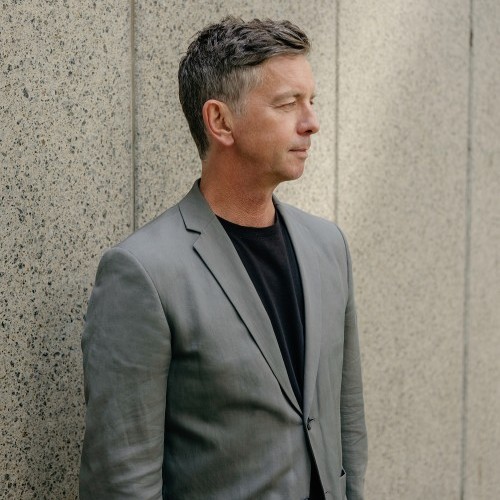
Mark Healey
Director, Bates Smart, Australia
Mark joined Bates Smart in 2003, spending his early years in the company working abroad on large-scale hospitality projects in the UK and Asia. On his return to the Melbourne studio, he became the lead interior designer on the award-winning Royal Children’s Hospital – a world-leading paediatric hospital – and has since gone on to lead several high-quality healthcare projects, such as Tweed Valley Hospital, Bendigo Hospital and the new Peninsula University Hospital.
As well as healthcare, Mark has significant multi-residential, civic and commercial experience, and consistently demonstrates his ability to deliver high-quality and coherent design solutions to complex briefs. Mark is an open and intuitive designer who seeks to distil a client’s vision into a reductive, minimal aesthetic, imbued with a strong sense of materiality. He believes in using the positive qualities of nature, in particular natural light, to enliven his work and create empathetic human-centric spaces we want to inhabit.


Mark Walker
Director, Healthcare, Stantec, United Kingdom
Mark is a senior MEP director at Stantec. He has worked in construction for 40 years, more than half of which has been dedicated to leadership and design in healthcare engineering.
With the industry’s urgent shift towards climate adaptation, he has increasingly concentrated on change management and implementation strategies in pursuit of decarbonisation targets. He has a keen interest in the digital estate for smart operation and maintenance as well as reducing energy and carbon emissions.
Mark is a registered authorising engineer for medical gases with the Institute of Healthcare Engineering and Estates Management (IHEEM) and is the current chair of the Chartered Institution of Building Services Engineering (CIBSE) specialist healthcare group. In June 2025, he assumed the prestigious role of Vice President of CIBSE. He is a CIBSE board member and a trustee.
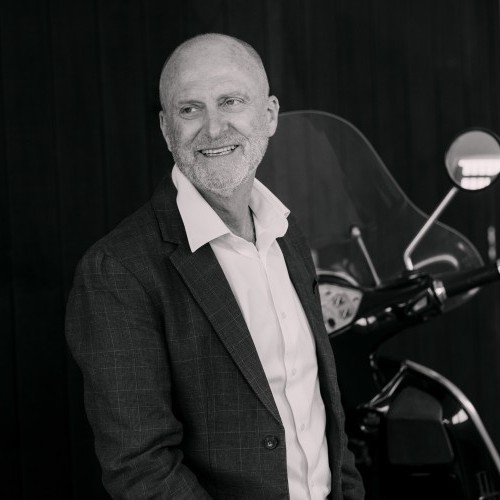
Mark Wiltshire
Director | Architect, Wiltshire Swain Architects, Australia
Mark has had a number of careers prior to architecture. He trained and worked as a registered nurse within a range of areas, including paediatrics, critical care, and emergency care. He also undertook a Fine Art degree majoring in photography and print making, with his work represented in several public and private collections, including the Art Gallery of South Australia. He established Wiltshire Swain Architects in 2005 with co-director Andrew Swain, focusing on healthcare, education and projects that require a high degree of technical resolution.


Marta Czachorowska
architect, m.plus.design Marta Czachorowska, Poland
Marta Czachorowska is an architect who dedicates her professional and academic pursuits to the design of caring environments, encompassing medical facilities, therapeutic settings, as well as spa and wellness centers. She holds a firm conviction in the restorative influence of well-crafted design.
She belives in the healing power of good design. Marta advocates for the notion that thoughtfully planned urban areas and architectural structures can contribute significantly to the physical and emotional well-being of those who dwell within them. Her exceptional work in designing a maternity ward for a gynecological hospital was honored with the prestigious Red Dot Design Award in 2023, and she also received acclaim by winning the "Designed for People" award from Gazeta Wyborcza's contest. Her insights on medical design have been featured in esteemed publications like RZUT, Miej Miejsce, and Architektura Murator, and she is a familiar presence at design festivals, such as the Łódź Design Festival, where she champions the concept of health-promoting design. Marta leads the creative team at m+design office. Visit mplusdesign.eu to explore more of her work.
Marta Parra Casado
Co-founder, architect, Virai Arquitectura, Spain
Marta Parra is an architect and an international reference in the humanisation of hospitals and spaces for older adults, pioneering the application of person-centred design, neuroarchitecture, and sustainability in highly vulnerable contexts. She is co-founder and co-director of Virai Arquitectura and has developed award-winning projects such as the ALS Day Care Center in Madrid and the maternity area at Hospital Nuevo Belén. Recognised as Architect of the Year 2018 by the Spanish Council of Architects (CSCAE), she was appointed global community professor at the University of Monterrey (UDEM) in 2024. A specialist in universal accessibility, Marta combines professional practice with teaching in universities and master’s programmes, and with her advocacy work on architecture as a tool for care. She is co-founder and architecture co-ordinator of the Master’s in Hospital Engineering and Architecture at the University of Cádiz. Her latest book, 'Arquitectura de Maternidades', reflects her research as co-author on the design of spaces for childbirth and birth.


Martin John
Strategy programme director, Norfolk and Waveney University Hospitals Group, UK
Martin is the strategic programme director for Norfolk & Waveney University Hospitals Group, leading the development and delivery of the Group’s integrated New Hospitals Programme. Uniquely for the national programme, he leads delivery of two new hospital schemes: James Paget University Hospital and Queen Elizabeth Hospital King’s Lynn.
For a number of years, Martin’s delivery focus was on Harlow: leading since 2019 the UK Health Security Agency Science Hub Programme, before, in 2024, joining the NHS to re-mobilise the new hospital agenda for Princess Alexandra Hospital Trust.
Martin previously led the Public Services team in the Cabinet Office Infrastructure and Projects Authority, overseeing Government Major Projects Portfolio – principally delivery in health and education.
Martin is an MBA and graduate of the government Major Projects Leadership Academy.


Matthew Blair
Principal, BVN, United Kingdom
Matthew is an architect, technologist and Principal at BVN, acknowledged for his cross-sector expertise and his ability to apply current and novel technologies and future of work knowledge to redefine spaces across industries such as health, education, and science. With a career spanning Australia, New Zealand, Thailand, North America, and the UK, Matthew now leads BVN’s UK Studio, bringing a global perspective to his work. Passionate about driving change, Matthew also steers many of BVN’s transformational and innovation initiatives, collaborating with universities, start-ups, and other architectural practices to expand the boundaries of what architecture can achieve. His work reflects a deep understanding of how insights from workplace design can inform and enhance other sectors, from healthcare to life sciences, creating environments that foster collaboration, adaptability, and human connection.


Matthew Custance
Partner, Burrum River Advisory, United Kingdom
Matt is the founder of Burrum River Advisory, a specialist firm advising on the financing, structuring, and delivery of major healthcare infrastructure. He has over 30 years’ experience in hospital business cases, private finance, and commercial strategy, working with both public- and private-sector clients on complex capital programmes.
His work includes the new Royal Papworth Hospital and the proton-beam therapy centres in London and Manchester. He has advised on numerous PFI and privately financed schemes, as well as wider healthcare portfolio and corporate structures.
Before founding Burrum, Matt was a partner at Grant Thornton and KPMG, where he led advisory teams on large-scale healthcare and infrastructure projects across the UK.


Matthew Groome
Senior project manager, Countess of Chester Hospital NHS Foundation Trust, UK


Matthew Palmer
Director, building structures, WSP, United Kingdom
Matthew Palmer is a fellow of the Institution of Structural Engineers and a passionate multidiscipline project director. Over his 25-year career, he has designed and led the engineering of a number of landmark regional, national and international healthcare schemes.
His passion for holistic design has led Matthew to adopt WSP’s award-winning early-stage optimisation platform, Daisy, and elevate its healthcare specific capability to create a step change in the performance led design of healthcare buildings and estate optimisation.


Matthew Tulley
Redevelopment director, Imperial College Healthcare NHS Trust, UK


Megan Angus
Senior vice-president, strategy and digital services, H.H. Angus & Associates, Canada
Megan Angus, RN, MBA, Lean, EDA is a registered nurse, healthcare strategist, and digital innovation leader whose work bridges clinical practice, technology, and capital redevelopment. As vice-president of strategy and digital services at Angus Connect, she brings close to 25 years of experience guiding hospitals through digital transformation, IMIT strategy, and the planning of next-generation care environments.
Grounded in clinical insight and systems thinking, Megan specialises in translating emerging technologies – AI, virtual care, digital twins, and real-time sensing – into practical, compassionate, and sustainable models of care. She has led digital strategy and operational readiness planning for major acute, paediatric, mental health, and oncology projects across Canada, helping organisations design smart hospitals that anticipate patient needs and support frontline teams.
With a background in Lean methodology and a strong foundation in evidence-based design principles, Megan is a sought-after speaker on AI-readiness, smart hospital planning, and the digital infrastructure required for resilient healthcare systems. She is deeply committed to shaping care environments that are agile, equitable, and profoundly human.
Megan Phelps
PhD student, University of Sydney, Australia
Megan is a specialist paediatrician and educator from Sydney undertaking a PhD in the School of Education and Social Work at the University of Sydney. She has worked mostly in Sydney, Australia, and Paris, France. Her experience in workplace learning and clinical education has intersected with an interest in the built environment to inspire her doctoral work.


Melanie Robson
Associate, Okana Global, United Kingdom
Melanie specialises in digital information management and leads Okana’s strategic advisory service. Driven by the need for cultural change throughout the built environment, she works closely with clients to unlock operational efficiencies within their organisation and achieve transformative outcomes across their estate. Melanie is an award winning thought leader and regional lead for Women in Building Information Modelling (BIM).
Mette Stokholm
Design director, New North Zealand Hospital, Denmark
Architect Mette Stokholm holds an Maa Master in Architecture from the Royal Danish Academy, and is design director and executive member of project management of New North Zealand.
She has been working in healthcare design as a professional client over the last 15 years, advocating for hospital settings of high functional and architectural quality for the benefit of both patients and staff.
Michael Street
Senior principal, HDR, United States
With over 25 years of experience, Michael has been instrumental in the design of numerous healthcare facilities. His healthcare experience encompasses a broad spectrum of domestic and international projects in both the ambulatory and acute care environments, as well as comprehensive facility masterplanning.
He also has extensive experience using contemporary computer technology to communicate design ideas, which simplifies decision-making, expedites project development, and provides continuous visual quality assurance throughout the project.
With a focus on designing surgical, interventional, imaging and other procedural centres, Michael has developed an interest in how architecture can enhance infection control measures and how, in health facility design, form follows flow.

Michael Weinbren
Consultant medical microbiologist; Infection control doctor, UK
Michael is a consultant medical microbiologist and infection control doctor with over 40 years’ experience in the NHS. Currently working as specialist advisor for microbiology to the New Hospital Programme, his key areas of interest include water and wastewater systems, antimicrobial resistance (AMR), and occupant safety. His publications include membership of national guidance groups, including the NHS England technical bulletin on Mycobacterium abscessus, and he is author of 'Safe Water in Healthcare'.
Michael Woodford
Partner and Director, White Arkitekter, United Kingdom
Michael is an Architect, Partner and Director of White Arkitekter’s London Studio. He brings over 20 years of design leadership to the team. Having designed, delivered and led multi-award-winning buildings in the UK and the Netherlands, Michael has a broad and thorough understanding of the architectural, cultural, and commercial contexts of architectural practice. Michael is responsible for White’s UK healthcare portfolio which includes the new Velindre Cancer Centre. Under Michael’s leadership, White’s London Studio is leading the way with low carbon design and the implementation of regenerative and biobased materials.


Michelle Draper
Director of mental health and addictions, Trillium Health Partners, Canada
Michelle Draper is the director of the Mental Health and Addictions Program, bringing more than seven years of dedicated experience in mental health, alongside a distinguished 25-year career in healthcare leadership. Her journey has spanned acute care and long-term care settings, with previous leadership roles including director of flow and director of the emergency department.
Michelle is a progressive and compassionate leader, deeply committed to enhancing patient care through meaningful engagement with individuals who have lived experience. She champions evidence-based practices and fosters environments that prioritise recovery, dignity, and holistic support for both patients and their families.
Michelle leads with empathy, innovation, and a relentless focus on designing therapeutic spaces and experiences that promote healing.


Miyoung Hong
Assistant professor, University of Tennessee, Knoxville, United States
Miyoung Hong (PhD, EDAC, NCIDQ, LC, LEED AP, WELL AP) is a design researcher and educator focused on evidence-based design for healthcare and learning environments. Her research links design decisions, such as spatial layout to occupant health and organisational performance. Hong brings commercial interior design experience across South Korea and the United States. This practice background informs both her research and her teaching. She has presented at the Healthcare Design Conference and Expo, IDEC, and EDRA conferences.

Mohamed Imam
Senior research lead | Executive director, Perkins&Will | AREA Research, United Kingdom
Mohamed Imam
Senior research lead | Executive director, Perkins&Will | AREA Research, United Kingdom
Dr Mohamed Imam is a senior research lead and architect at Perkins&Will with over 15 years of experience in architecture, computational methods, and performance-driven design. He also serves as executive director of AREA Research, overseeing applied research initiatives that advance urban resilience, climate adaptation, and circular resource systems.
He holds a PhD in Architecture and an MSc in Sustainable Buildings and is a certified passive house designer (CPHD) and LEED AP BD+C. Mohamed’s work integrates computational modelling with design practice to support evidence-based decision-making across buildings and urban systems. As a researcher, educator, and public speaker, he is committed to closing the gap between architectural research and practice, promoting innovative approaches to sustainable and resilient environments.


Mohammed Ul Haq
Head of healthcare, HLM Architects, United Kingdom
Mohammed joined HLM in 2016 and leads its healthcare sector. He has a wealth of experience in the design and delivery of healthcare buildings, both nationally and internationally. Mohammed’s recent experience includes the delivery of a 25,000m2 rehabilitation hospital in Abu Dhabi and the multi-phased redevelopment of a live acute hospital in Merthyr Tydfil, Wales.
Overseeing a team of accomplished and experienced healthcare architects, designers and technicians, Mohammed champions excellence and innovation in clinical design and healthcare architecture, promoting the need for a holistic approach to healthcare design and understanding how the built environment and good healthcare design can positively contribute to prevention as well as cure.
Mohammed is also responsible for developing HLM’s elderly care sector. Approaching the sector with a healthcare-led design ethos combined with HLM’s expertise in residential placemaking, Mohammed looks to encourage ageing in place sooner and flexibility for occupants through the years.


Monika Purschke
Architect, Albert Wimmer ZT, Austria
Monika Purschke pursued her studies in architecture at the Technical University of Vienna and the University of Michigan, Ann Arbor. As a partner at AWZT and holding the position of CEO at Health Team Vienna, she brings a wealth of expertise to the realm of innovative hospital projects. Monika is highly regarded for her proficiency in steering the development of cutting-edge healthcare facilities. Beyond her professional roles, she actively contributes to the academic sphere by conducting research and delivering insightful teachings on healthcare design at various institutions. Moreover, she is frequently called upon to lend her discerning perspective to numerous juries. Monika's specialisation extends to the seamless integration of technical specialist planning into building construction, particularly in the context of historical structures.


Neil Whatford
Director, Gilling Dod Architects, United Kingdom
Neil is an award winning designer of health, well-being and science facilities, with a strong track record over the last 20 years of delivering high quality patient focussed environments in the NHS, Private Healthcare, Pharmaceutical and Life Sciences sectors.
Experienced in engagement at all levels and across all scales of projects, Neil is a strong communicator, keen collaborator and a passionate advocate for considered people centric design.
Neil has been involved in a wide range of notable projects during the last twenty years, principal among these being the new Surgical Neonatal Unit at Alder Children’s Hospital, CityLabs 2.0 at the Royal Manchester Infirmary and Stratford Ambulatory Hospital in South Warwickshire.
As a Director and senior leader within Gilling Dod, Neil’s is passionate about sharing his strong belief in the ability of architecture to positively change the way we deliver improvements in health and social care, enabling people to take control of their own health and wellbeing.


Nick Baker
Strategic clinical advisor, Te Whatu Ora, New Zealand
Nick Baker is a Community Pediatrician, and Regional Clinical Strategic Advisor he is based in the Nelson Marlborough Region of New Zealand. He has recently completed secondments to the roles of National Chief Medical Officer and National Chief Health Service Delivery Planning. He is a past President of the Paediatric Society of New Zealand and has been Chair of the New Zealand Child and Youth Mortality Review Committee.
His interests include health policy, epidemiology, strategy, clinical governance, health system design and facility design. His current work involves contributions to the development of increasingly regional approaches to health service delivery in Te Waipounamu – South Island NZ.
Nigel Edwards
Chair, advisory group, PPL; Expert advisor, European Observatory on Health Systems and Policies, UK
Nirit Pilosof
Head of research in innovation and transformation, Sheba Medical Center; Faculty member, Tel Aviv University, Israel; Associate, Cambridge Judd Business School, UK
Nirit Pilosof, PhD, is an architect and researcher exploring the intersection of healthcare, technology and architecture. She is a Faculty member at the Coller School of Management, Tel Aviv University, and an Associate of Cambridge Judge Business School (CJBS) at the University of Cambridge in the UK. She is also Head of research in healthcare transformation at Sheba Medical Center, a Fellow of Cambridge Digital Innovation (CDI) at the University of Cambridge, and the Executive Member of Israel at the International Union of Architects (UIA) Public Health Group.
Dr Pilosof holds a PhD from the Technion – Israel Institute of Technology, a Post-Professional MArch from McGill University, and an Evidence-Based Design Accreditation and Certification (EDAC) from the Center for Health Design in the USA. She gained experience in the design process of major medical facilities as a project manager at leading architecture firms in Israel and Canada and won international awards, including the prestigious American Institute of Architects (AIA) Academy of Architects for Health Award, the American Hospital Association (AHA) graduate fellowship, the McGill graduate fellowship and the Azrieli Foundation fellowship.


Pascal van Dort
Global acoustics ambassador, Rockfon, UK


Paul Barach
Professor, Thomas Jefferson University; Imperial College London, United States
Professor Barach is an internationally recognised clinician-scientist and leader in patient safety, healthcare quality, human factors and high-reliability design. A featured speaker at the European Healthcare Design Congress, he brings decades of global experience advancing safer, more resilient healthcare systems through evidence-based design and systems thinking. He is a practising clinician and former hospital chief medical officer and chief quality officer, grounding his research and policy work in frontline care delivery. He has played a pivotal role in shaping hospital design standards internationally and advised on the design of ten hospitals. He has collaborated with the Facility Guidelines Institute (FGI) in the United States and previously served as head of research for the Center for Health Design, strengthening the scientific foundation of healthcare facility design. He teaches healthcare design and safety at Politecnico di Milano (POLIMI).
His leadership extends to disaster preparedness and public health systems resilience through the Association of Schools of Public Health in the European Region (ASPHER). As head of public health accreditation at the Agency for Public Health Education Accreditation (APHEA) and a former board member of the International Academy for Design and Health, he bridges public health policy and the built environment. Funded with over USD 100 million in federal European, British and American research support, he has authored more than 350 publications, cited over 17,000 times. At the 2026 Congress, he will present “Redefining what healthcare architecture research can do for society,” demonstrating how research-driven design advances disaster readiness, equity, and system-wide performance worldwide.
Paul Bell
Principal, Ryder Architecture, United Kingdom
Paul completed his architectural education at the Mackintosh School of Architecture, Glasgow in 1992 and has led several high-profile urban design, health and infrastructure projects. In 2006, he established Ryder’s Glasgow office and led the early development of the Hong Kong office. Prior to joining Ryder, he worked with Terry Farrell for 11 years in London and Hong Kong.
Paul has spoken around the world on sustainable healthcare design and blurring the boundaries of healthcare to address health equity. Paul brings his expertise of leading integrated project teams to successfully deliver major healthcare projects. His passion for delivering design of the highest quality is recognised by excellent client testimonials and project award nominations.


Paul Yeomans
Director, Medical Architecture, United Kingdom
Paul has over 19 years of experience in healthcare design. He has substantial knowledge of the sector in areas of strategy, planning, design and construction and a proven track record of delivery. He has led the design of numerous healthcare buildings with a project portfolio receiving awards from the RIBA, Building Better Healthcare, Design in Mental Health and European Healthcare Design.
Paul is a director, leading Medical Architecture's Newcastle Studio alongside Lianne Knotts. He is a design ambassador for the Design in Mental Health Network and member of its advisory group and design awards jury. Through this role, he contributes to best practice guidance in mental health facility design to raise standards across the sector and improve the experience of patients and staff across the UK and internationally. In 2022, he was awarded Fellowship of the Royal Society of Arts for his leadership in healthcare design. Paul is a regular speaker at conferences and uses this platform to promote good quality healthcare design. He is currently leading the design of a new regional hospital in Moldova and a major new women and children’s hospital.
Penny Calvert
ArtCare team co-ordinator, Salisbury NHS Foundation Trust, United Kingdom
Per Hellevik Carlsson
Project manager, Sykehusbygg, Norway
Per Hellevik Carlsson is a project executive at Sykehusbygg, Norway’s national organisation for hospital construction and development. He currently serves as project director for major hospital expansions at Akershus Universityhospital and plays a key role in shaping how large-scale healthcare projects are delivered across the region. He recently led the development of a new common execution model for the pre-project phase across five major hospital projects in South-Eastern Norway, focusing on standardisation, reuse, industrialisation, and digital project delivery. He also heads the regional co-ordination team, working across projects to strengthen portfolio governance, project assurance, and implementation of shared methodologies.
Pernille Olsbro Adamsen
Head of development, New North Zealand Hospital, Denmark
Pernille brings more than 35 years of experience in hospital management, specialising in organisational development, project and programme leadership, and complex transition processes. She has a deep expertise in change management, with a particular focus on the interplay between implementing new workflows and driving the essential organisational and cultural changes that determine the success of any transformation. Her current focus as head of department is transformation and collaboration regarding the use and relocations of New Zealand Hospital.
Peter Ball
Head of business development, Austco Healthcare UK, United Kingdom
Peter has over 40 years’ experience working with client teams throughout Europe, Middle East, Far East and the UK in the design and delivery of advanced hospital communications systems for acute hospitals.

Peter Dodd
Project director, Integrated Health Projects, United Kingdom
Peter Dodd is a highly respected IHP project director with over 25 years’ industry experience. Peter is a chartered civil engineer who specialises in complex healthcare projects. He is known for how he delivers as much as what he delivers, building genuine, trusting relationships with trust directors, clinical users, supply chain partners, and neighbouring communities to support collaboration and strong outcomes.
Peter played a leading role in the Countess of Chester Women & Children’s Hospital, the first completed NHS Net Zero Building in England. His relationship-driven leadership guided a fast-paced programme and aligned clinicians, estates teams and partners with clarity. Under his direction, the project achieved significant carbon reductions and created a fully electric, future-ready clinical environment enabled through airtightness, high-performance heat recovery and low-carbon materials. He also brings insight from delivering the Christie Paterson Redevelopment, one of the most complex research facilities in the country.

Pollie Boyle
Senior healthcare planner, Mott MacDonald, United Kingdom
Pollie is a qualified doctor and a consultant working for the healthcare planning team at Mott MacDonald. She has more than 25 years of healthcare strategy and planning consultancy experience. She fuses this knowledge and her clinical background to deliver solutions and improve pathways for both patients and staff on a number of high-profile projects, including two years working with the UK New Hospital Programme.
Pollie’s areas of expertise include stakeholder engagement, demand and capacity modelling, clinical briefing, decant planning, estates strategies, evidence-based clinical pathway redesign, and the development of schedules of accommodation. Pollie has a particular interest in data analysis and will use her clinical expertise to interpret trust data intelligently.

Priscilla Radice
Chief executive officer, Victorian Health Building Authority, Australia
A trusted leader with more than 25 years’ experience, Priscilla is a leader in health infrastructure delivery and reform and a positive catalyst for change in both the private and public sectors across Australasia. She helps to ensure that social infrastructure delivers outcomes for local communities, improving lives and economies while maintaining project efficiencies and driving innovation.
Priscilla previously held the role of deputy director-general, Health Infrastructure Queensland and has held senior leadership positions as CEO, Infrastructure Association of Queensland; Principal, Transport & Resources Australasia, Arup; Independent chair, Investment Assurance Committee, Queensland Health; founding executive director, Contribute Consulting Pty; and head of strategic projects, Port of Brisbane Pty.
Rachelle McDade
Director of healthcare planning, Currie & Brown, UK
Rachelle is a Director in the Healthcare Advisory Team at Currie & Brown, with 30 years of experience delivering major healthcare projects in the UK and internationally. She specialises in large‑scale master planning, reconfiguration programmes and the redesign of healthcare pathways, driving improvement through extensive stakeholder collaboration. Rachelle leads complex healthcare estate programmes to successful, timely and cost‑effective completion. Rachelle is part of the BEIPI committee, committed to raising awareness of infection control within the built environment.


Raluca Șoaita
Founder architect, Tesseract Architecture, Romania
Arh. Raluca Șoaita is the founder of Tesseract Architecture, the only architecture studio in Romania specialized in the medical sector. Together with her team, she has signed off on over 1,5 million square meters of hospitals and medical clinics, including some of the most significant recent large hospital projects in Romania.
Raluca consistently promotes topics such as the humanisation of medical spaces, the optimisation of healthcare processes, and sustainable hospital design solutions in the public sphere. In fact, the entire approach of Tesseract Architecture is based on innovation, long-term vision, and a multidisciplinary approach throughout the entire hospital design process for the future of healthcare in Romania.
Raluca has been part of the technical expert team involved in a large-scale World Bank project in Romania, "Healthcare Sector Reform – Improving the Quality of the Medical System in Romania." In addition to her collaboration with the World Bank, she has also provided consultancy and expertise to other major international institutions, including the European Investment Bank (EIB) and the European Bank for Reconstruction and Development (EBRD), contributing to the development and modernization of healthcare infrastructure across the region.


Richard Fox
Director, residential and healthcare, Reds10, UK
Richard is a recognised leader in modular construction and development, with over 20 years’ experience delivering transformative projects across the UK and Europe. His expertise spans land strategy, industrialised construction, and executive leadership, underpinned by qualifications in architecture, project management, and AI. At Reds10, Richard drives growth and innovation in residential and healthcare sectors, championing Design for Manufacture and Assembly (DfMA) and technology-led processes. He is passionate about creating scalable, sustainable solutions that redefine modern construction.
Richard McAuley
National specification manager, Brandon Medical Co, United Kingdom
Richard McAuley is a highly experienced professional with a comprehensive background in technology, IT and audio-visual systems. His healthcare portfolio includes cutting-edge projects, such as surgical skills labs, integrated operating theatres, MDT facilities, endoscopy suites, and mortuaries across the UK. Notable collaborations include WMSTC, Newcastle Freeman Hospital, Keele University, and Leeds St James’s Hospital. At Brandon Medical, Richard authors master specifications that seamlessly integrate advanced technologies with the needs of healthcare professionals, estate owners, and end users, ensuring optimal outcomes for modern healthcare design.


Rob Trimble
Strategic advisor, 360 Degree Society, UK
Rob Trimble is strategic advisor at 360 Degree Society and former chief executive of the internationally recognised Bromley by Bow Centre, where he led the organisation for 20 years. During this time, he oversaw the transformation of a three-acre East London site into one of Europe’s leading integrated community health campuses, combining primary care, social enterprise, regeneration, employment support and community development within a place-based model.
Rob continues to influence the evolution of neighbourhood health through his role as associate partner at Bromley by Bow Health, which delivers primary care services to more than 53,000 patients in Tower Hamlets. His work focuses on integrated neighbourhood health, estate-led system transformation and the development of community-powered health models that address the wider social determinants of health.
A defining feature of Rob’s career has been building partnerships between statutory health providers, community organisations, housing providers and business partners to create long-term social and clinical impact. He was awarded the British Empire Medal in the 2018 New Year Honours for services to charities and social enterprise.


Robin Snell
Director, Parkin Architects, Canada
Robin is an experienced health care architect who has worked on a wide range of projects across Canada. He is passionate about healthcare and uses his leadership skills to guide projects to successful outcomes. Robin leads the Parkin evidence-based design team and is active in several healthcare design subcommittees. He is an EDAC and LEED-accredited professional with recent healthcare projects in Ontario, Alberta, and British Columbia.
Robin’s expertise is recognized nationally, as he serves as the vice-chair of the Canadian Standards Association Technical Committee for Health Care Facilities. He is also an active member of CSA healthcare design subcommittees, including Z-8000 for Canadian healthcare facilities, wayfinding, area measurement, and infection prevention and control during construction.
Roelof Gortemaker
Architect, director, Gortemaker Algra Feenstra architects, Netherlands
Roelof is an architect-director and one of the three partners at Gortemaker Algra Feenstra architects. He has been working as an architect for over 35 years, delivering a wide range of projects, including hospitals, psychiatric facilities, healthcare buildings, offices, and educational facilities. Roelof has been the project lead on dozens of projects, both new-build and redevelopment, in the Netherlands and abroad. Notable examples include St Antonius Hospital (NL), Máxima Medical Center (NL), Institut Roi Albert II (BE), Institut de Psychiatrie Intégré (BE), Centre Hospitalier Emile Mayrisch (CHEM) Südspidol (LUX), and Centre Hospitalier d'Antibes (FR).


Rosi Pachilova
Senior Workplace Consultant, Foster + Partners, United Kingdom
Rosi Pachilova works as a senior workplace consultant at Foster + Partners, where she leads the strategic design of healthcare and office buildings. She completed her PhD in Architecture and Social Sciences at University College London in 2020, where she investigated how hospital wards influence the work processes and communication patterns of healthcare staff and how this affects the quality of care provided to patients. Together with her PhD supervisor, Kerstin Sailer, Rosi won the RIBA President’s Award for Research in 2019 under the annual theme “Building in Quality.” Her recent contributions include a chapter for the book The Covert Life of Hospital Architecture, edited by Julie Zook and Kerstin Sailer.


Rowena Sequeira
Associate principal – planner, HDR, Australia
Rowena is an associate principal and senior health planner at HDR with specialist experience. Rowena has a deep and detailed understanding of healthcare planning across a range project types and scales, and is highly sensitive to how clinical environments impact the experience of patients, staff and visitors.
Rowena is an experienced user engagement leader who is able to distill user requirements into highly efficient and functional health planning outcomes and communicate these with clarity. Rowena regularly leads the health planning on HDR’s projects, most recently on the $910 million Rouse Hill Hospital.


Ryan Browne
Senior associate, Architectus, Australia
Ryan is passionate about creating better, healthier and happier places for communities.
An enthusiastic and active member of the team, Ryan has gained significant professional experience across health, civic and cultural disciplines. He applies a vast range of skills and an eagerness for continuous learning to deliver high-quality projects, along with striving to change the way we make architecture for people. He challenges ways of thinking, working, and making architecture.
Ryan’s recent roles on health projects has seen him adopt an ever-growing understanding of health planning, design, documentation, and data management. Alongside this, Ryan rigorously questions design approaches, believing there’s always opportunity to learn from and improve buildings throughout the project.
Through his studies, Ryan formed a strong design methodology and understanding of building technologies. A faculty scholar (Birrell Scholars Program, 2016), New Colombo Plan and Endeavour Mobility Grant recipient, Ryan has participated in international masterclasses and study tours in the Asia Pacific and India, working alongside local craftsman, students and architects on civic and masterplanning concepts.
Upon graduating his Master of Architecture, Ryan was awarded the R. Martin Wilson Memorial Prize in Architecture for integrating future technologies into design projects. He won the Philip Y. Bisset Travelling Scholarship with a research topic on how hospital flexibility impacts their interaction with the communities and cities to which they belong. His itinerary will see him attend health design conferences, new and old hospitals, and meet with industry and academic leaders.
Sannah McColl
Principal, Architectus, Australia
As a principal at Architectus, Sannah brings more than 25 years' experience in designing and delivering major hospitals across Australia. She is a strategic thinker and meticulous planner who is focused on both the practical and the beautiful in all her projects to drive innovation and best practice outcomes.


Sarah Thomas
Digital director, New Hospital Programme, UK


Savina Taouki
Smart building advisor, Deerns, The Netherlands
Savina Taouki is a smart building advisor at Deerns in The Hague, specialising in digital strategies for hospitals to create sustainable, future-proof facilities. Originally from Greece, she holds a Master’s in Architecture from the National Technical University of Athens and a Master’s in Building Technology from TU Delft. With a strong background in architecture and building technology, Savina helps healthcare organisations navigate the complexity of digitalisation. She facilitates interactive workshops with hospital stakeholders to define smart ambitions and co-create solutions, and she is involved in projects through the full lifecycle, from strategic planning and functional design to implementation and delivery.


Semir Zubcevic
Architect, Albert Wimmer ZT, Austria
Semir Zubcevic pursued his education at the University of Sarajevo, Faculty of Architecture, and furthered his studies at the University of Venice. He has been a dedicated member of the Sarajevo Architects Association since 1985. Since 2003, he has played a pivotal role as a partner at AWZT. Semir is a member of the board of Health Team Vienna and brings a wealth of expertise to the field, particularly in healthcare and hospital planning. His professional focus includes the conceptualisation and strategic planning of innovative future developments.
In addition to his expertise in healthcare, Semir is recognised for his specialisation in masterplanning and urban design. His work includes the development of forward-thinking urban design projects, with a strong emphasis on sustainability, future resilience, and the creation of healthy cities.


Shakir Ahmed Adem
Public–private partnership (PPP) co-ordinator, Ministry of Health & Human Services, Federal Government of Somalia, Somalia
Shakir Ahmed Adem serves as the PPP co-ordinator in Somalia's Ministry of Health & Human Services, specialising in the development and execution of strategic health infrastructure projects. Leveraging innovative public-private partnership (PPP) models tailored to fragile settings, Shakir plays a crucial role in enhancing Somalia’s healthcare landscape. His decade-long experience spans healthcare, infrastructure, logistics, and investment, allowing him to expertly bridge public policy with sustainable private-sector outcomes. He spearheads the design and implementation of frameworks for Somalia’s National Reference Laboratory and the Research Certification System, with a strong focus on regulatory reform and financing mechanisms aimed at bolstering national health security. Beyond his governmental work, Shakir is an entrepreneur engaged across East Africa and the Middle East, actively fostering institutional transformation and nurturing sustainable partnerships. His leadership and vision contribute significantly to advancing health-sector resilience and capacity in challenging environments, ensuring long-term impact and progress.


Sharon Cook
Architect and healthcare lead, P+HS Architects, United Kingdom
A senior architect at P+HS and one of the practice's healthcare leads, Sharon has over 12 years' experience of working on projects in the healthcare sector. Sharon’s expertise covers a wide range working for a cross-section of NHS trusts and private clients, leading on projects ranging in scale from small refurbishments through to larger new build schemes. Equipped with a broad range of skills Sharon has a passion for stakeholder engagement and also holds a Post-Graduate Diploma in Construction Project Management.
Recent experience includes pathology labs, endoscopy departments, and urgent treatment centres, as well as a new-build health and care academy encompassing a primary care centre, nursing school, training and conference facility, She is also currently working on a new clinical trials unit for cancer research.
Simon Corben
Director and head of profession, NHS Estates and Facilities, NHS England, UK
After some 16 years in the private sector, advising the NHS and successfully growing and managing a team of property, clinical planning consultants and analysts, Simon returned to the public sector in 2017 to lead the Estates and Facilities function across the NHS, which now includes both the secondary and primary care sectors. The role at NHS England is one he relishes, building on the Carter Implementation Programme and Naylor Review. Following initial success delivering the Model Hospital and efficiency savings, he is taking forward and broadening out the NHS Estates agenda. This includes the primary care estate, the ProCure23 construction framework, and delivery of the Health Infrastructure Programmes announced by the prime minister in 2019. Most recently, he led the NHS Estates response to the Covid-19 pandemic, including the delivery of seven Nightingale hospitals alongside improved clinical infrastructure resilience across the existing estate.
Since joining the NHS in May 2017, Simon has recruited a team aligned to the seven core initiatives of: commercial acumen; policy; workforce; sustainability; operational efficiency; standardisation, strategy and capital; and operational delivery.
In doing so, Simon and the team have:
• delivered both additional capital funding and investment into the NHS;
• reinstated the NHS estates Standards and Guidance programme;
• improved assurance of NHS estates safety, effectiveness and governance through the updating and mandatory implementation of the NHS Premises Assurance Model (NHS PAM); and
• reconfigured and expanded the NHS Estates Division to cover primary care and regional teams;
An accredited Gateway reviewer and project director, Simon understands the need for commercial, innovative and deliverable solutions. In his role at NHS England, he is using his skills and experiences to bring fresh ideas and drive to improve the quality and efficiency of estates and facilities management across the NHS.


Simon Fraser
Principal, Hopkins Architects, United Kingdom
Simon joined Hopkins Architects in 1990 and is one of the four design principals leading the practice. His early work included pioneering sustainable projects, such as Inland Revenue and the University of Nottingham’s Jubilee Campus.
In the early 2000s, he initiated the practice’s international work, beginning with GEK’s headquarters in Athens and later establishing Hopkins Architects’ Dubai studio in 2004. He has since overseen several major projects across the Middle East, Asia and, more recently, the USA.
His portfolio spans a wide range of building types, including a large residential development in Zekeriyakoy, Istanbul; an office tower complex in central Tokyo; the Buhais Geological Museum; the World Expo 2020 Dubai Thematic Districts Masterplan; and architectural projects for Highgate Cemetery.
Simon is currently leading several major healthcare commissions, such as Cleveland Clinic’s Neurological Institute in Ohio, USA. The 1m sq ft facility will house 210 beds, 18 operating theatres, and 15 outpatient clinics.
Simon Kydd
Managing director, health sector, Sir Robert McAlpine, UK
Simon Trotter
Project director, Health NZ, New Zealand
Simon Trotter is a project director in Health New Zealand’s Infrastructure and Investment Group, leading major hospital redevelopment projects across the country. He plays a key role in shaping national procurement and delivery strategies under the Building Hospitals Better framework, with a focus on standardisation, staged delivery, and building long-term strategic partnerships. Simon’s background spans complex capital projects, commercial strategy, and governance. Outside of Health NZ, he serves as deputy chair of the Council for Volunteer Service Abroad, bringing a strong commitment to service and community impact.


Smeya Shirley Deborah Prince Jawahar
Designer 1, Perkins&Will, United States
Smeya Shirley Deborah is a Healthcare Fellow and Designer at Perkins&Will. She holds a Master of Science in Architecture with a focus on Health and Design from Georgia Tech and a Bachelor’s degree in Architecture from India, where she is also a licensed architect. Shirley specialises in designing healthcare spaces, particularly at the intersection of design and behavioural health. Her research examines how architecture influences behavioral psychology and user experience in built environments.
Previously, she was a Graduate Research Assistant at Georgia Tech’s SimTigrate Design Lab, collaborating with Emory Brain Health’s Cognitive Empowerment Program. In this role, she researched the effects of light on alertness and circadian rhythms in individuals with Mild Cognitive Impairment. Currently at Perkins&Will, Shirley investigates how architectural elements can serve as wayfinding anchors in healthcare settings, aiming to enhance patient navigation and reduce wayfinding anxiety through thoughtful design.


Sophie Noll
Manager, BDO Austria, Austria
Trained originally as a licensed physiotherapist with a Master’s degree in Healthcare Management and Digital Health she collaborates on the organisational management team at BDO Austria’s Health Care and Life Science Advisory division. Throughout her more than three years with the company she has worked on projects both within Austria and internationally. Her main area of projects involves process development and organisational optimisation in hospitals, physical rehabilitation centers and similar healthcare facilities as well as staffing requirement calculations and workforce planning. Her goal is to foster a better understanding for the collaboration needs during the planning, building and running of healthcare facilities of all focuses. This has the chance to improve both the employee and patient experience, leading to an overall improvement in the healthcare system. Her interest in the field extends to the current need for digitalisation regarding prevention, patient journey and overall healthcare system streamlining.


Stephanie Costelloe
Principal, BVN, Australia
Stephanie is a Principal at BVN, working at the intersection of architecture, health planning, and complex systems design across Australia, Asia, and the UK. She is passionate about exploring how large -scale healthcare environments can move beyond institut ional models to become more adaptable, legible, and responsive to human behaviours and sensory experience. Stephanie approaches hospitals not simply as buildings of function, but as evolving networks of people, processes, and technologies. She focuses on s implifying complexity, enhancing clinical workflows, and creating spaces that are intuitive and supportive for both staff and patients. She values stakeholder engagement as an active design tool - challenging assumptions, surfacing insights , and exploring opportunities to create healthcare environments that are resilient, flexible, future -ready, and bring joy to those who inhabit them.
Stephen Herbert
Regional director of healthcare architecture, AECOM, United Kingdom
As the regional director of healthcare architecture at AECOM, Stephen leads a team of talented architects and designers who deliver innovative and sustainable solutions for a diverse range of healthcare projects in the UK, Europe, Africa, and the Middle East. He has over 25 years of architectural experience, with a focus on healthcare for more than 15 years.

Stuart Elgie
Partner, DIALOG, Canada
Stuart Elgie is an Architect and Partner at DIALOG. Stuart’s experience as a client-side design advocate and design-build team leader enables him to identify opportunities and mitigate short- and long-term risks. Ultimately, what drives him is the pursuit of great design and the iterative actions leading up to its realisation. Stuart believes design begins by listening to the client before identifying the possibilities and working within a team to find the best answer. For him, this is the fun part of being an architect. Stuart has been project architect responsible for design, design development and contract documentation on many large, complex projects throughout his career, primarily in the institutional and healthcare sectors. Stuart is the Partner-in-charge for DIALOG’s design team for the $1.1 billion Toronto Western Hospital – New Surgical and Patient Tower site for University Health Network, scheduled to open in 2028. Stuart also serves as a member of the DIALOG Governing Council, an elected body within the Partnership, responsible for the stewardship of the long-term interests and wellbeing of the organisation.


Sue Peleg
CEO, Modus Health, Israel
Sue Peleg is a service and systems designer and founder of a health design consultancy advancing new operating models for patient activation within complex healthcare settings. Working at the intersection of strategic design, behavioural insight, and change management, she partners with hospitals to transform inpatient and rehabilitation services from passive, clinician-led care into structured, self-directed recovery ecosystems.
With 20 years of experience in qualitative research, innovation development, and strategic consulting, Sue has spent the past three years leading system-level transformation initiatives across rehabilitation inpatient settings. Using co-design methods, she integrates spatial interventions, structured family training programmes for care partners, and workflow redesign into cohesive operating models.
Sue holds an MDes in Design and Innovation Management from Bezalel Academy of Arts and an MA in History from Tel Aviv University.
At European Healthcare Design, she will present a framework for embedding self-rehabilitation into routine care, demonstrating how design-led strategy improves patient engagement, staff connectivity, and system efficiency.


Taja Quigley
Partner, SmartCo Future Health, United Kingdom
Taja Quigley is a partner at SCFH and a recognised leader in shaping the next generation of digitally enabled health systems. She works with healthcare organisations and public-sector leaders across the UK and Europe to design hospitals that are technologically advanced and fundamentally reimagined around data, connectivity and human experience.
Her work focuses on the intelligent integration of infrastructure, digital platforms and clinical pathways, creating environments where technology strengthens decision-making, improves productivity, and enhances patient outcomes at scale. She is particularly interested in how smart design can enable resilience, sustainability and workforce transformation within increasingly complex health systems.
Bridging strategy and implementation, Taja supports leaders to move beyond incremental change towards future-ready models of care. She is known for her systems thinking and her ability to unite policy, clinical and digital perspectives to shape hospitals fit for the decades ahead.
Tal Amalia Sicsic
Product and service designer, Modus Health, Israel
Tal Amalia Sicsic is a product and service designer and an architect, specialising in the development of assistive technologies and environments for individuals with disabilities and war-related injuries. She works as a rehabilitative designer in hospitals on patient challenges, in close collaboration with multidisciplinary clinical teams.
She develops and leads user-centred, inclusive and empathic design processes grounded in co-design methodologies and a holistic perspective. Her main focus is translating patients' needs and wishes, as experts on their own lives, into tailored physical and environmental solutions. Her leading approaches considers objective medical criteria as equivalent to “soft” and emotional criteria that promote independence and participation.
Tal has a BArch degree in Architecture and City Planning and a MDes degree in industrial design, in the design and innovation management track, from Bezalel Academy of Arts and Design, Jerusalem.


Tara McGinty
Consultant In infectious diseases | Inclusion health, Mater Misericordiae University Hospital, Ireland
Dr Tara McGinty graduated in medicine from University College Dublin, Ireland and completed her subsequent specialist training in infectious diseases. Awarded a PhD in 2021, her research spans HIV immunology, immunopathogenesis of co-morbidity and bone disease, investigator-led clinical trial management, and cohort methodology. In 2019, she set up and is the clinical lead for the Inclusion health service at the Mater Hospital. This service aims to tackle health inequalities experienced by marginalised and socially excluded groups by delivering patient-centred, integrated health and social care. Including and engaging marginalised voices who are under-represented in research is an area of particular interest and Tara is an active researcher within the National ID CTN and All Ireland ID cohort, collaborating with many national and international researchers in the areas of inclusion health, social determinants of health, and integrated healthcare delivery, alongside her involvement in HIV clinical trials and research.
Tara Veldman
Managing director and principal health lead, Billard Leece Partnership, Australia
Tara is the managing director and health sector leader instrumental in the expansion of BLP. She brings 25 years of experience and a dedication to designing a healthy world in a cross-section of spaces, including hospitals, health hubs, education precincts, high-tech research labs, and residential communities.
Combining her interests in psychology, art, and architecture, Tara is fascinated by how buildings and spaces make people feel. Her passion for sustainable architecture is inspired by her time living in Australia, the Netherlands, Frankfurt, and the Middle East. These life experiences have driven her to create designed environments and places that work and complement their urban setting while using and integrating nature and the natural landscape where possible.
Underpinning projects with evidence-based design, Tara's work exemplifies innovation, strategic thinking, and best practice. She is a regular contributor to health design conferences and seminars, presenting alongside some of the world's most respected thought leaders in the sector both at home and abroad.
Grounded in research and insight, Tara's human-centred design approach and active stakeholder engagement allow the voices of those who will occupy the spaces to be heard. Design outcomes are considered and impactful and exceed both her clients' and the end users' expectations.
In 2025, Tara was honoured with the inaugural Australian Health Design Council Gold Medal in recognition of her visionary leadership, a commitment to excellence, and her significant contribution to the healthcare design industry.
Ted de Gouw
IT architect, Radboudumc, Netherlands


Tendai Wileman
Executive director of corporate development and group chief of staff; Guy’s and St Thomas’ NHS Foundation Trust, UK
Tendai Wileman is executive director of corporate development and group chief of staff at Guy’s and St Thomas’ NHS Foundation Trust. As a transformation specialist, Tendai brings over 20 years’ experience in healthcare, including board-level leadership within complex multi-site organisations and systems.
Tendai has a strong track record of designing effective operating models and delivering large-scale transformation, including post-merger integration, governance reform and system-wide performance improvement. She has held senior leadership roles across the healthcare landscape, including NHS trusts, integrated care systems and provider collaboratives, and has led major programmes covering digital transformation, financial sustainability, elective recovery and organisational redesign.
Known for her collaborative leadership style, Tendai is skilled in executive and board development, strategic partnerships and change delivery. She also served as a trustee for a diversity leadership foundation and is a graduate of the Global Healthcare Leaders Programme at Harvard Medical School.


Teva Hesse
Design director, 4D Studio Architects, United Kingdom
Teva Hesse is a London-based architect who has designed major extensions to the Natural History Museum, the National Maritime Museum and a range of award-winning cultural, residential and healthcare projects. Over the past 15 years, his focus has shifted to redefining mental health architecture in the UK, culminating in his design and delivery of the new Springfield University Hospital, completed in 2023.
He has consistently advocated for environments that reduce stigma and support therapeutic recovery. His approach emphasises: abundant natural daylight; quiet, well-controlled acoustics; free access to landscaped gardens; fresh air; natural materials; and varied spaces for self-directed, meaningful activity. This philosophy underpins his work on modern NHS mental health facilities, where he aims to create safer, calmer, and more humane environments for patients and staff.
Teva currently serves as design director at 4D Studio Architects, where he leads a portfolio of acute and mental health projects for NHS trusts.


Thomas Hardin
Senior associate, Perkins&Will, United Kingdom
Thomas is a senior designer at Perkins&Will with over 20 years’ experience across the US and UK. His expertise spans large-scale placemaking, adaptive reuse, healthcare, life-science and education projects, working across scales from masterplans to interiors. Thomas brings a collaborative, global perspective and values open dialogue across cultures and disciplines. He has a passion for finding innovative solutions to complex problems, working across scales and project stages. He balances respect for the past with confidence in innovation, maintaining the belief that thoughtful design strengthens communities and creates lasting value.
Tim Hoffman
Director – redevelopment, Sydney Children’s Hospitals Network, Australia
Tim Hoffmann is a director – redevelopment at the Sydney Children's Hospitals Network, based in Westmead, New South Wales. He has extensive experience in both clinical nursing and operational management positions within NSW Health. Over the last 13 years, he has transitioned into planning, redesign, and redevelopment-focused roles. Tim has qualifications in nursing, health management, and public administration, and is passionate about transforming the healthcare system. He joined the Network in 2011, leading clinical planning and later redesign and integrated care portfolios. In 2016, he was appointed as director of planning and has since been working as an executive team member leading planning and redevelopment. His role involves leading the planning and redevelopment programme across the Network, utilising the programme to deliver new models of care and facilities that enable research-led care, education, and excellence.


Ting Wang
Senior manager, National University Health System, Singapore
Wang Ting is a senior manager in the engineering division of the NUHS Corporate Infrastructure office, specialising in smart and digital healthcare with a focus on building operational smart applications that translate innovative technology into daily hospital operation and maintenance practice. With her background as a mechanical engineer by training, she integrates and turns data into actionable insights with AI/ML, designing applications that streamline workflows to solve real-world challenges in space and resource allocation, hospital operation optimisation, and predictive maintenance. She piloted an integrated data platform (IDP) for NUH Medical Centre L18&19 in 2025 and saw big opportunities in scaling up to other hospital functions and operations in future infrastructure development.


Todd Accardi
Director of Medical Planning, Perkins & Will, United States
Todd Accardi is the Director of medical planning at Perkins&Will, Chicago. His 25 years in this industry has taught him that it is through our own personal experiences that we learn how the design of a space can be a powerful force in the journey of one’s health, healing, and well-being.
What Todd embraces most about his planner role in the healthcare architecture space is being the bridge between designers and industry subject matter experts. Solving these complex problems means being a master at facilitating conversations with a wide variety of leaders, their constituents, and ultimately, the end users. Todd believes that these authentic connections translate into stronger and more profound design solutions for both his local and international clients.
Whether it is at work or home, Todd believes life is an endless journey to gain knowledge and achieve balance. That philosophy is embedded in his designs and relationships with clients.


Tom Potter
Associate director and healthcare lead, P+HS Architects, UK
With over 20 years of architectural experience, Tom is an associate director and healthcare lead for P+HS Architects. An enthusiastic and conscientious architect, Tom has led an extensive portfolio of projects, focusing on sustainable primary and acute healthcare developments.
Recently having worked on some of the practice’s largest acute schemes, Tom has led the architectural delivery of several new urgent and emergency care schemes across the country, while other projects have included paediatric assessment, surgical departments, major trauma wards, and endoscopy services. Alongside acute schemes, Tom has worked on many primary care schemes across the country, working with developers and GPs to adapt existing buildings or provide sustainable, new-build premises.
As part of the cross-office team of healthcare leads, Tom is passionate about the sector, promoting exemplary design and emerging trends, sharing best practice and specialist knowledge across the industry.


Tracy Lord
Principal | Health lead, Billard Leece Partnership, Australia
Tracy Lord is a principal and health lead at Billard Leece Partnership (BLP), one of Australia’s leading architecture firms and global experts in social infrastructure design. An award-winning multidisciplinary practice, BLP designs for a healthy world by delivering people-based solutions that translate evidence-based research.
With a career spanning 25 years in health design, Tracy has established her credentials in delivering health projects across multiple scales in Australia and New Zealand. Tracy is the Region IV director of the UIA Public Health Group.
In addition to working across architecture and project management, Tracy has a particular interest in contributing to thought leadership in the architecture community. She is passionate about inclusive design, as well as creating healthier built spaces that improve people's lives – whether that be through designing hospitals, looking at the inclusion of healthcare within mixed-use precincts or using biophilic principles to improve commercial and urban environments.
Úna Cunningham
Head of transformation and executive lead, strategic projects, Mater Misericordiae University Hospital, Ireland
Úna is head of transformation and strategic projects at one of Ireland’s largest academic teaching hospitals. Together with her team, she promotes a culture of inter-professional collaborative practice and collective leadership, adopting a lean, person-centred philosophy and design principles.
In 2021, Úna completed her PhD as part of the Co-Lead programme (https://www.ucd.ie/collectiveleadership/). Through application of her research findings to practice, she continuously demonstrates how interventions to improve quality and safety of care can be made more effective when conditions are created for interdisciplinary teams to flourish.
Úna lectures on transformational systems-level change and team interventions at University College Dublin and the Royal College of Surgeons in Ireland. She is also a leadership mentor with the Irish Management Institute. Her work has been published in BMC Health Services Research, BMC Medical Research Methodology, BMC Medical Education, BMJ Open and the International Journal of Environmental Research & Public Health.
Unni Dahl
Hospital planner, Sykehusbygg HF (Norwegian Hospital Construction Agency), Norway
Unni has been working in Sykehusbygg HF (Norwegian Hospital Construction Agency) since 2015. The job covers early planning of hospitals, pre- and post-evaluation of hospitals and monitoring through the phases of a project. Additionally, the job includes developing evaluation tools and guidelines.
Previous work includes collaboration between hospital and primary health care services, developing specialist healthcare services for patients with chronic diseases, patient education programmes and patient participation.
Unni has a background as a nurse and has a Master’s degree in Pedagogics, for which her thesis was a study of the doctor – patient communication. She also holds a PhD in Medicine, for which her thesis was about co-ordination of healthcare services and follow-up among elderly and chronically ill patients after hospital discharge.
Valentina Chisci
Senior associate architect, healthcare project lead, Perkins&Will UK, United Kingdom
Valentina Chisci is a senior Associate at Perkins&Will with more than 20 years of international experience in healthcare architecture spanning the UK, Italy, and Chile. Her work is driven by a commitment to establishing strong design foundations from the earliest stages of a project, ensuring that clinical needs, patient experience, and operational efficiencies are embedded from the start. Valentina collaborates closely with clinicians, healthcare organisations, and multidisciplinary teams to create environments that genuinely support healing, enhance staff wellbeing, and enable high‑quality care delivery.
Specialising in early‑stage strategic planning and concept design, she helps clients articulate clear project visions and transform them into spaces that are functional, future‑ready, and rooted in evidence‑based design principles. Valentina brings a thoughtful, analytical, and human‑centred approach to every project, ensuring that design solutions respond intelligently to context, complexity, and the evolving demands of modern healthcare.


Vittoria Falchini
Neuroarchitectural Psychologist, Foster+Partners, United Kingdom
Vittoria Falchini is a neuroarchitectural psychologist and she works as a consultant at Foster + Partners. With a background in clinical and environmental psychology, she holds a master’s in Neuroscience Applied to Architectural Design at IUAV in Venice. She focuses her work on how our brain functions and processes information, how this affects human behaviour, cognition and experience, and how it is possible to attune humans with the built environment. Within the practice, she works on healthcare projects, integrating research in neuroscience and environmental psychology into the design process.
Video + Poster Presenters

Adam Hope
Associate director of estates and facilities, Countess of Chester Hospital NHS Foundation Trust, United Kingdom
Adam Hope is associate director of estates, facilities and capital development at Countess of Chester Hospital NHS Foundation Trust. He leads strategic estate planning, capital programme oversight and sustainability across complex acute healthcare environments.
Joining the Women’s and Children’s Hospital programme during the delivery phase, Adam provided executive leadership and assurance to secure NHS Net Zero Building Standard Certification and ensure sustainability targets were realised in practice. His work centres on strengthening governance, aligning infrastructure with clinical need, and driving long-term environmental performance across healthcare estates.
Alessandro Grecchi
Consultant psychiatrist, ASST Santi Paolo e Carlo, Italy
Born in Milan on 24 August, 1975, he graduated in Medicine in 2001 and specialised in Psychiatry in 2005, beginning to work in psychiatric rehabilitation with clinical and co-ordination responsibilities in collaboration with community mental health centres.
He continued his training with a Doctorate in Clinical and Experimental Pharmacology, contributing to scientific publications and participating in courses and conferences. From 2008 to 2016, he worked at the San Carlo Borromeo Hospital in Milan in community mental health centres, joining the hospital's psychiatric unit in 2016.
Since 2022, he has been director of the departmental psychiatric rehabilitation centre of the ASST Santi Paolo e Carlo in Milan, a 51-bed facility offering various levels of rehabilitation. He is active in the Italian Psychiatric Association, a member of the Lombardy executive committee, author of national and international publications, and from 2013 to 2018, he was regional co-ordinator of young psychiatrists and a member of the national section council.

Alice Anderson
Programme manager – hospice-friendly hospitals, Irish Hospice Foundation, Ireland
Alice graduated in Sociology and Social Policy from Trinity College, Dublin in 2009 and gained an MSc in Political Science from the University of Amsterdam in 2013 with a First. Since then, Alice has worked in the European Commission and overseas in international aid and development before joining Irish Hospice Foundation in 2017. Now, as programme manager for hospice-friendly hospitals, an initiative of the Irish Hospice Foundation, run in partnership with the Health Service Executive, Alice specialises in delivering a multifaceted national programme, which works to improve end-of-life care in Irish hospitals. This programme is delivered in partnership using a quality improvement approach.


Aliko Ahmed
Regional director of public health, NHSE / OHID – East of England, United Kingdom
Prof Aliko Ahmed is the regional director of public health for East of England (NHS and OHID) and was previously the director of public health for Staffordshire NHS and County Council.
He has three decades of working experience as a frontline hospital clinician, academician, and public health practitioner. His clinical speciality is in infectious and communicable diseases. He qualified in medicine in 1992 and received higher specialist trainings at the London School of Hygiene and Tropical Medicine, University of Cambridge, and East of England Deanery.
He is passionate about health equity for all of society and works through collaborative partnerships to facilitate, co-ordinate, optimise support and delivery of population health outcomes. His key ambition is for the people in the East of England to have longer, healthier, and more prosperous lives.
He has interest in global health policy and research especially the translation of evidence into relevant and appropriate health policies for low-income countries. He founded and convened the Public Health Policy Forum at Chatham House and hold fellowships of the Royal College of Physicians (FRCP) and the Faculty of Public (FFPH). He is board member of the Cambridge Institute of Public Health and a fellow at Wolfson College at the University of Cambridge.

Anahita Sal Moslehian
Postdoctoral researcher, Deakin University, Australia
Dr Anahita Sal Moslehian is a postdoctoral research fellow with the HOME Research Centre at Deakin University. She holds academic qualifications in Architecture and collaborates with multidisciplinary teams to design, deliver, and translate research into impactful design policies and practices. Her work aims to generate knowledge that informs built environment design strategies that not only mitigate harm but also restore and build capacities – promoting healthier lifestyles, enhancing quality of life, and delivering environmental and social value. Anahita focuses on the concept of health promotion in healthcare and housing environments, utilising practice-informed and systems-based research approaches. Her work draws on the lived experiences of diverse end-users, including healthcare patients, aged care residents, individuals experiencing homelessness, apartment-dwelling families, and office workers. She has wide experience in multi-method and mixed-method research and has contributed to several multi-stakeholder projects, resulting in peer-reviewed publications and reports for government and partner organisations.
Andrea Vannucci
Medical director, Italian Foundation of Lenitherapy; adjunct professor, University of Siena, Italy
Andrea Vannucci is a physician specialising in hygiene and preventive medicine and currently serves as medical director of the Italian Foundation of Lenitherapy (FILE). He is adjunct professor of healthcare planning, organisation and management at the University of Siena.
He is a member of the executive board and the CME Scientific Committee of the National Academy of Medicine, a member of the Scientific and Technical Committee of ASIQUAS, and of the Equal Opportunities Committee of the Florence Medical Council. He also works as a consultant in healthcare planning and design for national and international architectural and engineering firms.
He previously held senior leadership positions as medical director in public and private hospitals, co-ordinator and later director of the Tuscany Regional Health Agency, and regional representative on the National Outcomes Programme Committee (AGENAS). He has served quality and safety commissions, independent evaluation bodies and ethics committees, and is also an ISO 9001 quality management systems auditor.
His work includes teaching, research and advisory activities in quality of care, performance improvement, accreditation and workforce development. He has contributed to institutional working groups of the Ministry of Health, AGENAS and the Tuscany Region, and has participated in numerous national and international conferences and publications.
Anna Nowacki
Emergency physician, assistant professor, University Health Network, University of Toronto, Canada
Dr Nowacki is an emergency physician at the University Health Network and an assistant professor at the University of Toronto whose work sits at the intersection of clinical care, system design, and the built environment. With subspecialty training in Global Health and Tropical Medicine and a Master’s in Design for Health from OCAD University, she brings a multidisciplinary lens to improving healthcare delivery.
Her recent work focuses on how spatial, service, and systems design can enhance patient and staff experience in emergency care settings. She has led design initiatives within local hospitals, consulted on emergency department redesign projects, and facilitated international workshops on systems thinking and rapid improvement methods. Dr Nowacki is particularly interested in how thoughtfully designed spaces and processes can transform the way healthcare is delivered and experienced.
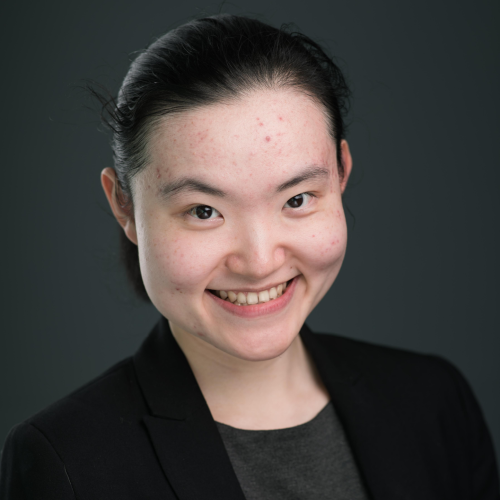
Anni Feng
Associate director, Hoare Lea, United Kingdom
Anni is a chartered engineer in the UK with a background in computer and communication systems engineering. She has diverse telecommunications and digital design and advisory experience in various sectors, including healthcare, technology and transportation. She has worked on projects in America, Africa, Middle East, South Asia and across Europe.
Anni first gained her healthcare experience while on a long-term assignment with Arup Canada. She has had the privilege to be involved in many healthcare projects of different scales and complexities since. Some examples include being the lead digital engineering advisor in the health workstream for the Peru Reconstruction programme, leading the digital workstream in a cancer centre design competition in Wales, and being the digital advisor for a major hospital replacement project in Scotland.


Anya Shah
Senior consultant, Turner & Townsend, United Kingdom
Anya Shah is a healthcare advisory consultant with extensive experience delivering strategic and operational solutions across diverse projects in the UK and internationally. She specialises in helping healthcare organisations navigate complex challenges, improve performance and drive sustainable transformation. Anya’s work spans areas such as healthcare delivery redesign, service integration and organisational strategy, combining analytics with a collaborative approach to achieve impactful outcomes. Her international exposure has equipped her with a deep understanding of varied healthcare systems and the ability to tailor solutions to local contexts.


Asma Alyami
Student – expected graduation: Summer 2026, Imam Abdulrahman Bin Faisal University, Saudi Arabia
Asma Alyami, a student in Imama Abdulrahman Bin Faisal University in Saudi Arabia, believes that design is a transformative power that shapes perception, emotions and human interaction rather than just filling a space. She always adapts approaches that exceed aesthetics and functionality, as she is passionate about creating environments that stimulate contemplation, sparks creativity, and the way people interact with the world around them. Being an ambitious leader, Asma aspires to design sustainable and environmentally smart responsive spaces that overshadow how people perceive and experience their own journey. With research as a strategic tool for innovation, Asma efficiently uses it to challenge conventional design approaches and redefine spatial experiences. She values new opportunities and is always looking for chances to gain new experiences and except demanding challenges.


Avery Fletcher
Healthcare planner, University College London, United Kingdom
Healthcare Facilities MSc, University College London. Recipient, 2025 Ann Noble Award.
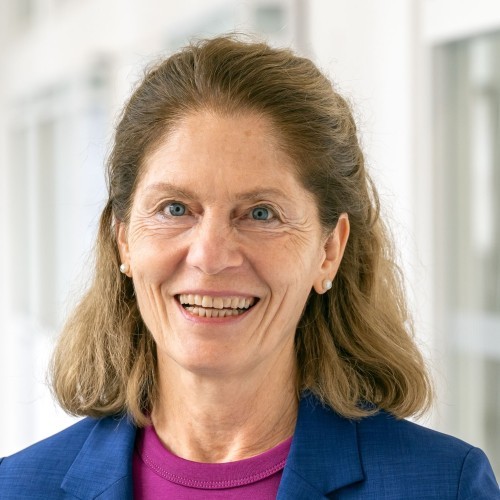
Birgit Dietz
Architect, TU Munich, Germany
Dr. Birgit Dietz, born in Munich, is an architect and gerontologist based in Bamberg. Since completing her PhD at the Technical University of Munich (TUM) in 1994, her work has focused on healthcare architecture and the impact of demographic change on the built environment, particularly for people with cognitive impairments.
In 2012 she founded the Bavarian Institute for Age- and Dementia-Sensitive Architecture (BIfadA), which develops guidelines for dementia-sensitive planning in hospitals, care facilities and housing. The institute also conducts research, product development and professional training, and contributes to the development of appropriate building regulations.
Prof. Dr. Dietz teaches on the planning and development of hospitals and healthcare facilities at the TUM School of Medicine and the TUM School of Engineering and Design and is involved in interdisciplinary research projects. In 2025 she was appointed Honorary Professor at the Technical University of Munich.
In 2020 she received the Order of Merit of the Federal Republic of Germany for her commitment to architecture for an ageing society.


Bob Wills
Director, Medical Architecture, United Kingdom
Bob is a director of Medical Architecture with over 35 years’ experience as an architect with more than 30 years in healthcare design. He has played a key role in the delivery of various large-scale mental health and acute health projects, including Clock View Hospital in Liverpool, which combines architecture and landscape to create a therapeutic environment for recovery. The building received the coveted Design for Sustainable Development Award at the 2023 European Healthcare Design Awards.
Recently, Bob oversaw the design of Kimmeridge Court, a specialist eating disorders unit at St Ann’s Hospital in Dorset, a building that received the Clinician‘s Choice Award at the 2023 Building Better Healthcare Awards, and the Seastone CAMHS Psychiatric Intensive Care Unit, also in Dorset.


Carmel Woolmington
Technician and installation lead, Vital Arts, Barts Health NHS Trust, United Kingdom
Carmel is the technician and installation lead for Vital Arts, and is responsible for managing the Trust’s extensive art collection, including maintenance, conservation, auditing and inventory. She also works with commissioned artists on all technical aspects, such as installation and fabrication. Carmel brings over five years experience as a producer, strategy manager and technician in hospital arts, delivering complex public art commissions and Creative Health programmes. Carmel produced the art strategy for Bethlem Gallery, South London and Maudsley NHS Trust and was creative producer for two new mental health facilities, New Douglas Bennet House and Pears Maudsley Centre. She was the arts manager for Chelsea and Westminster NHS Trust, during which she produced and curated a Creative Health exhibition for Saatchi Gallery. Prior to this, she worked as an independent creative producer and fabricator for clients such as Bestival, Camille Walala, the Nightingale Project, Collage Works, and Lord Whitney.


Cate Mentink
Senior consultant, healthcare strategy + planning, Lexica, member of WSP, United Kingdom
Cate Mentink is a Healthcare Strategy and Planning Senior Consultant based in London, with experience across a wide portfolio of UK and international healthcare projects spanning the NHS, public and private sectors. Her work includes major hospital redevelopments, strategic healthcare programmes, and new hospital developments including the New Hospital Programme.
Cate has contributed across a broad range of projects. Her experience spans areas such as clinical and functional briefing, schedules of accommodation, estate and infrastructure strategies, clinical and service planning, and smart buildings and digital health initiatives. She works closely with NHS trusts, integrated care systems and international clients, bringing together strategic analysis, service planning and stakeholder engagement to support complex healthcare developments from early definition through to design development.
Her UK practice is informed by earlier experience in Whānau Ora and Māori health in Aotearoa New Zealand, where she worked on translational research, service design and transformation initiatives focused on community-led, value‑driven models of care. This has shaped a strong focus on people‑centred, integrated, and future‑ready healthcare systems and environments.


Cheryl Riotto
Deputy clinical director, New Hospital Programme, NHS England, United Kingdom
Cheryl is a cardio-thoracic specialised trained registered general nurse (RGN) with extensive clinical and operational experience, having worked in a variety of roles since starting her nursing career in the 1980s. Continuously working in the NHS she has been privileged to have managed a diverse portfolio over her career, including critical care theatres; palliative care; surgical wards; transplant services; day ward services; cardiac rehab; outpatient services; and the teams that work within these settings.
Since completing a Master's in Healthcare Leadership has only increased her resilience and motivation to continue to work in the NHS.
Cheryl joined the New Hospital Programme in September 2021, as her first role away from front-facing, operational and clinical roles. She has led the Programme's work on patient, public and professional engagement and co-creation, and has been central to the work on looking at new standards for clinical areas, such as the move to single bedrooms.


Chris Lawer
CEO, Umio, United Kingdom
Chris Lawer is a pioneering thinker and practitioner in experience-centred design and value creation. For over three decades, he has challenged orthodoxies in strategy, innovation, and health, advancing new approaches that move beyond metrics and abstractions to the depth of real lived experience.
He is the CEO-founder of Umio (since 2014), through which he has shaped cutting-edge work on co-creation, ecosystems, and experiential value in health, medtech, and beyond. Also, he is the CEO of Ooex – the platform for real lived experience (RLX) in motion, and the creator of the Bergson.ai RLX platform.
Previously managing director of Strategyn UK, Chris spearheaded the adoption of jobs-to-be-done innovation management practices across leading global enterprises in pharmaceuticals, medtech including wound care, manufacturing and for government bodies. His work has attracted international investment into diagnostic technologies, including advances in the early detection of diabetic foot ulcer infections, and has guided EU Horizon programmes and SME consortia to secure funding from breakthrough health and care propositions and technologies.
Chris is the author of 'Health Ecosystem Value Design' (2017), 'Interactional Creation of Health' (2021), and, with Nicki Sutton, 'Real Lived Experience: A Radical New Design Philosophy for Health and Care' (2025). Across these works, he has challenged dominant logics and opened new possibilities for more meaningful transformation in health and care. He is also completing a PhD at the University of Bristol, researching the Real Lived Experience (RLX) of chronic pain and marginalised lives.
Chris has also taught internationally, serving as a visiting fellow and adjunct lecturer at the New York Institute of Technology School of Architecture and Design, where he introduces Master’s students to the Umio experience model and its application to the design of inclusive and equitable urban environments.
Across all his roles, Chris’s work carries a consistent thread: the pursuit of more just, humane, and resonant forms of innovation grounded in the realities of lived experience.
Cristiana Caira
Architect, White Arkitekter, Sweden
Cristiana Caira MArch, is partner and board director at White Arkitekter, artistic professor of healthcare architecture at Chalmers University of Technology in Sweden, member of the Board at the European Health Property Network, and member of the programme committee for the European Healthcare Design Congress. Cristiana has 25 years of experience in planning complex healthcare environments in Scandinavia and internationally. Focused on increasing collaboration between practice, research and education, Cristiana has led major White Arkitekter healthcare projects, including the award-winning Södra Älvsborg Hospital Psychiatric Clinic, the Queen Silvia Children Hospital in Gothenburg, and a large-scale extension of Karlstad Hospital. Her latest international project is the award-winning extension for the Panzi Hospital in Congo, in collaboration with the 2018 Nobel Peace Prize laureate Dr Denis Mukwege. Cristiana is currently healthcare design lead architect within the expert international team appointed to design Cambridge Children’s Hospital.


Cynthia Damar-Schnobb
Founder, Artellix, Canada
Cynthia Damar-Schnobb is an experiential design consultant and strategist with 25 years of experience. Throughout her career, she has led numerous award-winning projects in wayfinding, place branding, and experiential graphic design.
In 2023, Cynthia founded Artellix, a Canadian design agency specialising in creating impactful spatial experiences. As a design leader and mentor, Cynthia serves as co-chair of the Professional Advisory Council for Sheridan College’s Honours Bachelor of Experiential Design programme. Her extensive leadership history includes serving as president of the Association of Chartered Industrial Designers of Ontario; Board Member at the Association of Canadian Industrial Designers; and Chapter Chair for the Society for Experiential Graphic Design where she received the Achievement Award in 2019.
In 2025, her influence expanded internationally as a jury member for the Grands Prix du Design as featured in INT Architecture & Design magazine. Cynthia holds a Bachelor of Industrial Design from Carleton University in Ottawa, Canada.

David Sewell
Digital practice manager, associate principal, Perkins&Will, United Kingdom
Dave believes the best digital workflows are the ones you hardly notice – tools that quietly make collaboration easier, decisions clearer, and outcomes stronger. Starting out as a civil and structural engineering apprentice, Dave first discovered digital’s transformative potential when he automated a tedious task that became standard practice. This simple fix unlocked efficiency, sparking his passion for using digital tools to transform the way we work, and to leading our digital practice in the London studio.
Dave’s perspective on how people, processes, and technology intersect, empowers and inspires our designers to explore new possibilities. Now an associate principal, Dave leads London’s digital practice group, connecting client and project teams and championing practical innovation to turn complexity into opportunity. For Dave, digital success happens when clients, designers, constructors, and end users embrace the tools and workflows he champions – delivering better buildings for the communities we serve today and into the future.
Digi Dave (a nickname first coined by London’s marketing team – and now – across the studio), is a curry enthusiast and a frustrated but loyal West Ham supporter. He’s happiest by the coast with his family and always smiles at dogs with their heads out of car windows.
Deborah Wingler
Global practice director, applied research, HKS, United States
As partner and global practice director for applied research at HKS, Dr Deborah Wingler collaborates across sectors to develop and implement applied research services that drive innovation and achieve measurable impact across the firm and health practice, globally. She also serves as the executive director for the Center for Advanced Research and Evaluation (CADRE) and holds an appointment as adjunct faculty in the School of Architecture at Clemson University. Deborah’s research focuses on improving the user experience by eliciting insight into users’ affective responses to high-stress healthcare environments. Through her research, she has worked with some of the most forward-thinking Fortune 500 companies, healthcare organisations and manufacturers, to reimagine primary, specialty, acute, and home healthcare. She is a well-known passionate patient and family advocate for healthcare design, researcher, speaker, and published author. She holds a PhD from Clemson University in Healthcare Architecture and earned a M.S.D. in Healthcare Innovation from the Herberger Institute of Design at Arizona State University. Deborah holds several industry and academic awards. She was recently awarded HCD 10 researcher of the year for 2022 by Healthcare Design Magazine.
Deirdre Casella
Lecturer and research supervisor, Rotterdam University of Applied Sciences, The Netherlands
Deirdre Casella is a lecturer and research supervisor at Rotterdam University of Applied Sciences. Following her Master of Arts in Development Studies and Demography at Erasmus International Institute of Social Studies (1999), she worked as an educator, researcher and advisor in the field of water, sanitation and hygiene services in universities and policy and applied research institutions in Europe, South and East Asia, Sub-Saharan Africa and the Middle East.
In 2021, she defended her PhD dissertation (Delft University of Technology) on the role of social learning in sustainable water services delivery from a socio-technical systems perspective. Her research drew on more than 15 years of field experience and action research into the contribution of multi-stakeholder learning initiatives to achieving sustainable public services in urban and rural contexts. Deirdre is a faculty member of the Real Estate BSc programme at the Institute of the Built Environment. Here, she co-coordinates the Erasmus MC-Hogeschool Rotterdam Urban Lab, where students work collaboratively on graduation research projects related to the strategic campus development projects of Erasmus MC.


Eli Moriarty
Project manager, Health Care Relocations, United Kingdom
Eli is an articulate, detail-oriented project manager with proven expertise in project management for healthcare facilities in transition. Since joining Health Care Relocations in 2012, Eli has played a crucial role in the design, implementation and execution of the safe transfer of several hospitals and thousands of patients, including the decommissioning and consolidation of a number of full-scale hospitals. Eli has proven himself to clients through his performance at a high level during stressful circumstances, going above and beyond to ensure all HCR projects are a complete success.


Emma Ingham
Co-founder, Loxie, United Kingdom
What happens when a literature graduate and lifelong storyteller takes on NHS estates?
Emma is a visionary pragmatist, creator, and co-founder of Loxie – a strategic design and health innovation agency shaping the future of healthy infrastructure. Curious, irreverent, and relentlessly solution-focused, she uses her background in literature and the arts to uncover patterns, stories, and connections hidden within complex infrastructure systems.
Not your typical estates professional, Emma brings 15+ years of NHS and commercial experience in healthcare – re-imagining physical, digital, and social infrastructures to rethink not just how we build but how we live, connect, and stay well.
Evan Rutherford
Project manager, Health Care Relocations, Canada
Evan joined HCR in April of 2019. He has quickly transitioned into managing his own projects including the Lead Project Manager/Transition Advisor role for Groves Memorial Community Hospital in Fergus, Ontario and the Cortellucci Vaughan Hospital in Vaughan, Ontario. Evan has also acted as an Alternate Project Manager on projects, such as Waypoint Community Health Hub where he managed the relocation of high value equipment. Evan is currently planning the relocation of assets and patient transfer at the Aalborg University Hospital in Aalborg, Denmark.
Evangelia Chrysikou
Associate professor, programme director MSc, healthcare facilities, University College London (UCL), United Kingdom
Dr Evangelia Chrysikou is associate professor at BSSC UCL and founder/programme director of the MSc Healthcare Facilities. A multi-awarded RIBA architect and healthcare planner, she has published widely and won several prestigious grants and fellowships, including Horizon 2020, UKRI, Wellcome, British Academy, Royal Society of New Zealand, and Sasakawa Foundation.
He research interests span the disciplines of built environment, health, digital technologies and social science. A key author and committee member of ISO 25553 (BS), she is also a member of the National Accessibility Authority, Hellenic Republic by invitation from the Greek Prime Minister, and led the working group on access and accessibility in healthcare. Former co-ordinator of the Environment Section of the EIP on AHA, EU, she has worked as a consultant for international government bodies, such as the Japanese MOFA, Peru Reconstruction Mechanism, and the British Government for projects related to healthcare planning and architecture. She is also a former vice-president of the Urban Public Health Section at the EUPHA, and was invited as a leadership committee member of the ULI Life Sciences and Healthcare.


Fatemeh Tohidifar
Student, University of Tehran, Iran
Fatemeh Tohidifar is an Iranian industrial designer, educator, and researcher whose work explores the intersection of healthcare, emotion, and human experience in design. She earned her B.A. in Industrial Design from Alzahra University and her M.A. in Industrial Design from the University of Tehran, where her research focused on design for mental health. She is currently a Ph.D. student in Industrial Design at the College of Fine Arts, University of Tehran, with a dissertation centered on design for emotions. In addition to her academic research, she teaches Design for Healthcare to undergraduate and graduate students at the University of Tehran. She also works as an industrial designer at Vala Studio, a Tehran-based design studio, where she develops healthcare products. Her research interests include design for mental wellbeing, emotional design, and design for the senses, with a particular emphasis on how design can foster more supportive, meaningful, and human-centered experiences in everyday life.


Fatimah Almarhoon
Student – expected graduation: Summer 2026, Imam Abdulrahman Bin Faisal University, Saudi Arabia
A graduate of Imam Abdulrahman Bin Faisal University (IAU) in Saudi Arabia, she approaches interior design with a focus on clarity, contemporary aesthetics, and meticulous technical documentation. Her work reflects a strong engagement with modern design methodologies, thoughtfully integrating cultural narratives into interior environments while reinterpreting regional architectural forms through a refined contemporary lens. She is attentive to proportion, spatial sequencing, and material expression, ensuring that each element contributes to a coherent overall concept. She has a particular interest in furniture and graphic design, alongside the development of comprehensive technical drawings that support cohesive and well-articulated spatial solutions. Her practice explores the dynamic relationship between interior elements, materials, and their integration within diverse project contexts, always considering function, atmosphere, and user experience. Beyond spatial design, she values visual communication as a strategic tool that strengthens and clarifies interior concepts. She is committed to developing projects that seamlessly integrate detailed documentation, graphic language, and cultural identity, aspiring to contribute to design initiatives that balance innovation with contextual depth.
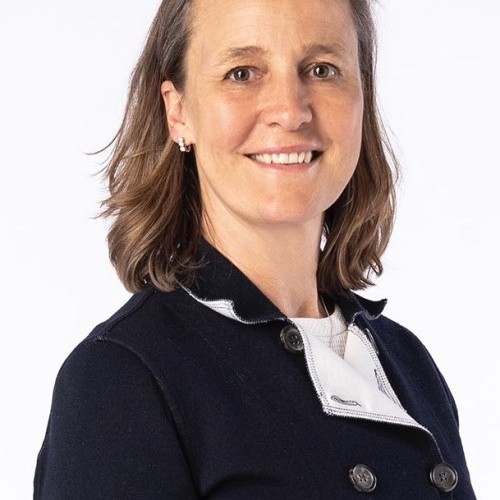
Francine de Stoppelaar
Specialist advisor – medicines optimisation, New Hospital Programme (Health Delivery Partnership), UK
Francine de Stoppelaar PharmD, MSc, CertBA is an honorary associate professor and digital health and AI innovator.
Francine is a seasoned healthcare executive with over 25 years of leadership experience across British, American, Dutch, and UAE health systems. Her career is defined by operational excellence, healthcare innovation, and strategic technology implementation, including AI-driven transformation.
With expertise in both internal and consultancy roles, Francine has successfully led large cross-functional teams in delivering hospital activations, greenfield capital projects, and advanced clinical improvement programs. Her initiatives consistently enhance patient outcomes, safety, and medicines optimisation. A pioneer in digital health, Francine has led on the hospital-wide operational activation of Cleveland Clinic London, as well as spearheaded the implementation of the UK’s first Closed Loop Medicines Optimization model at Cleveland Clinic London, now fully operational and nationally recognised. Under her leadership, the initiative earned multiple accolades, including the Cleveland Clinic CEO Team Award and two consecutive nominations for the Laing Buisson Innovation Awards (2022, 2023).
Her innovative contributions to healthcare earned her recognition as one of Intelligent Health Top 50 Innovators of 2023. She frequently presents at international conferences and serves on expert panels focusing on digital transformation and AI in medicine. As co-founder of the Asclepius Project, Francine is leading a pan-European initiative to automate and digitally transform hospital medicines optimisation using AI and intelligent automation technologies.
She is an honorary associate professor at the University of Leicester and an associate at Deloitte UK. Her academic foundation includes a Doctor of Pharmacy and MSc from Utrecht and Maastricht Universities, a Certificate in Business Administration from Warwick Business School, and executive education in Digital Transformation Leadership from Harvard Medical School.


Gabriel Franca
Director, Lifecycle Consulting Services, Australia
Gabriel França holds a BSc in Manufacturing Engineering and is certified in Lean, Six Sigma, and Project Management. With over 16 years of experience, he specialises in operations design and performance improvement, delivering expertise in business analytics, process simulation and automation, layout design, and logistics.
The first half of his career focused on the automotive supply chain, while the past ten years have been dedicated to advancing pathology diagnostics across the UK, Europe, and the Americas.
Gareth Banks
Head of healthcare and director, AHR, United Kingdom
Head of healthcare and director at AHR, Gareth Banks is an experienced architect having designed and delivered a number of innovative healthcare projects, which have transformed communities – including the ‘Hospitals Transformation Programme’ in Shrewsbury, and the large, state-of-the-art Cleveland Clinic Abu Dhabi. He is currently working on the NHP programme.
As head of healthcare, he is dedicated to delivering intelligent, future-proof healthcare spaces, which prioritise the health and wellbeing of patients and staff and are built to last. An example of this is the UK’s first building approved under the NHS Net Zero Building Standard, the Countess of Chester Hospital Women and Children’s Building.
With experience both in the UK and internationally, Gareth is an advocate for sharing knowledge to advance patient care and is also secretary of Architects for Health.
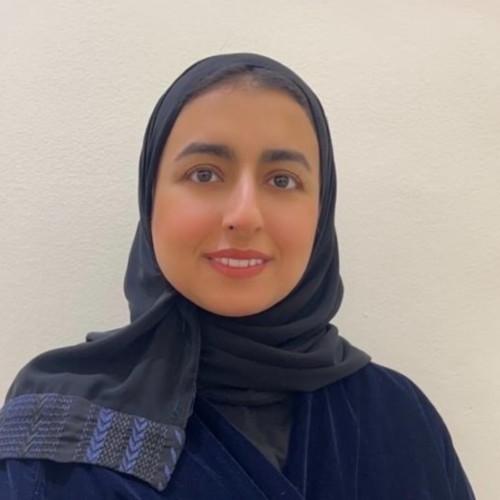
Ghaydaa Hemaidah
Assisstant professor, Imam Abdulrahman Bin Faisal University, Saudi Arabia
Dr Ghaydaa Hemaidah is a graduate of the PhD programme in Architecture at the University of Manchester. With a passion for enhancing health and wellbeing through design of the built environment, Dr Hemaidah's research focuses on the role of healthcare facilities in promoting psychosocial wellbeing. Her work during her doctoral studies led to the development of a novel evaluation tool to assess the level by which the hospital environment impacts patients' psychosocial wellbeing. This tool has the potential to significantly influence renovation plans and inform stakeholders in healthcare design. Now, as an academic at Imam Abdulrahman bin Faisal University, Saudi Arabia, she brings her expertise to the Interior Design Department. Her dedication to the field and commitment to improving healthcare environments inspire her students to prioritise human-centric design approaches. With her perspective bridging architecture and psychology, Dr Hemaidah is poised to make meaningful contributions to the field of design for health and wellbeing.
Gina Mulholland
Bachelor thesis researcher, Rotterdam University of Applied Sciences, The Netherlands
Gina Mulholland is a fourth-year real estate management student at Rotterdam University of Applied Sciences. Throughout her studies, she developed a strong interest in how the built environment can influence user experience. This interest deepened during her Urban Placemaking minor in 2024, where she explored how spaces can be transformed into meaningful places shaped by the people who use them.
Building on this foundation, Gina chose to focus her graduation research on user-centred design. For the Directorate of Real Estate at Erasmus MC, she is investigating how the experiences and needs of parents and family members can be translated into user-centred design guidelines for the family room of the medium care unit in the new build Sophia Children’s Hospital. The aim of this research is to contribute to design criteria that support the wellbeing of families during their child’s hospital stay.
Through this work, Gina aims to contribute to the development of healthcare environments that are not only functional but also emotionally supportive and responsive to their users. By combining her passion for urban placemaking and real estate, she strives to connect user insight with design practice to create spaces that truly matter in moments of vulnerability.
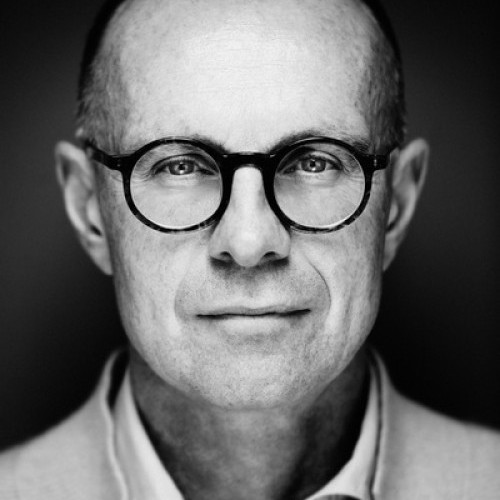
Giulio Ceppi
Architect and designer, Total Tool, Italy
Giulio Ceppi, architect and designer, studied Visual Design at the Scuola Politecnica di Milano and took a PhD at the Milan Polytechnic, where he's professor since 1995.
His activities and creative strategies are focused on sensorial design, development of new materials, and inclusive design.
Among the founders of the Master in Business Design at Domus Academy and Schola Italica, he’s professor at the Faculty of Architecture of Genova and Rome, at Turin Polytechnic, Interaction Design Institute Ivrea, Università Cattolica in Milan.
Until 1998, he was co-ordinator of the Domus Academy Research Center and then senior design consultant at Philips Design.
Since 1999 with TotalTool, a design network (Milan and Buenos Aires), he has developed new business ideas worldwide for corporations and public entities.
He has participated in conferences and workshops in more than 30 countries worldwide and his contributions have been displayed at Venice Biennale, Milan Triennale and many other museums.
He lives in Milan and Como Lake, where he was born in 1965.
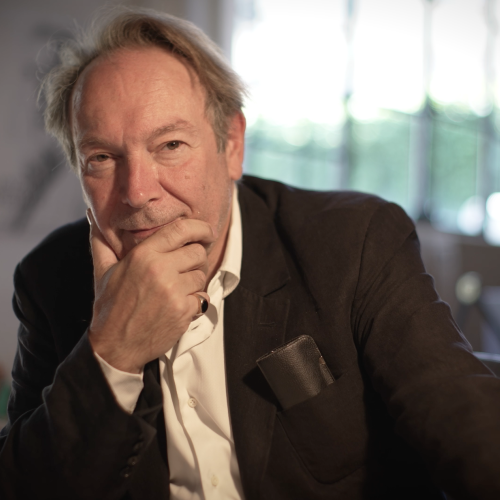
Giulio Felli
Director, architect, CSPE, Italy
Giulio is an Italian architect and the legal representative, technical director, and managing principal of CSPE. With 30 years of experience, he has managed complex healthcare projects across Italy, including major hospitals in Padua, Naples, Milan, and Florence. His expertise spans from conceptual design to construction, with a focus on energy efficiency, functional layouts, and multidisciplinary co-ordination. He has worked alongside renowned UK and US firms, bringing innovative solutions to healthcare planning and design.
Gonzalo Vargas
Health practice lead – associate principal, Perkins&Will, United Kingdom
Gonzalo’s passion lies in healthcare architecture, where complexity and functionality intersect with the human experience. Over his 20-year international career, he has successfully led creative projects across the UK and Europe through a client-focused approach. From inception to completion, he delivers excellent design outcomes – creating spaces that optimise patient care, streamline workflows, and promote healing through thoughtful layouts, consideration of operational and maintenance factors, and innovative, sustainable solutions.


Graeme Flint
Associate director, Arup, United Kingdom


Habban Ali
Associate architect, Reddy Architecture and Urbanism, Ireland
Habban Ali is a chartered architect (MRIAI) with a focus on the healthcare sector and education sector. Based in Ireland, he is an associate architect at Reddy Architecture + Urbanism, contributing to complex public-sector projects, including acute healthcare and mental health facilities. He has experience across planning, technical design and multidisciplinary co-ordination within highly regulated clinical environments.
Habban holds post-graduate qualifications, including an Executive MSc in Healthcare Facilities from the Bartlett, UCL. His research examined cybernetic field hospitals and adaptive digital infrastructures for post-crisis acute care, developing system-level frameworks for resilient and scalable emergency response.
His work bridges practice and research, advancing healthcare resilience through modular construction, digital integration and long-term adaptability under climate and crisis pressures


Hannah Brewster
Director + healthcare sector lead, ADP Architecture, United Kingdom
Hannah is an experienced specialist healthcare architect and is director and healthcare sector lead at ADP.
She has a focused drive and passion to enhance and improve healthcare and strives to support the creation of healthy communities and places to ensure a sustainable healthcare of the future.
Hannah has wide-ranging experience in delivering new-build and extensive remodelling and retrofit healthcare projects across the country, and through these she has developed a thorough knowledge of complex healthcare brief gathering, particularly with multi-stakeholder clients.
Her expertise has been instrumental in the success of a number of highly complex schemes across all areas of adult, children, inpatient, outpatient, emergency and critical care services, and clinical education and training facilities.
She is currently leading the team on the new Principal Treatment Centre for children’s cancer, as well as new kidney and heart facilities at Evelina London Children’s Hospital, having completed the latest new-build on the site – the Children’s Day Treatment Centre.
Hannah has been featured in the Architectural Journal, Architecture Today, Building Design, and Property Week, and has been part of high-profile panellists and roundtables at UKREiiF, LREF and Footprint+. She is a co-opted executive member of Architects for Health and has supported in the annual Student Design Awards over the last three years.
Hassan Sadeghi Naeini
Associate professor, Iran University of Science and Technology, Iran
Associate Professor Hassan Sadeghi Naeini is a faculty member in the Department of Industrial Design at Iran University of Science and Technology (IUST), specializing in ergonomic design and sustainability. With over two decades of academic and industrial experience, he leads research and consultancy projects that integrate human-centered design with sustainable innovation. He is the head of the Advanced Ergonomics Laboratory at IUST and the founder of the Sustainable User Centered Design Institute (TAAM Group). His research and teaching activities focus primarily on ergonomics in design, product development, and sustainable design approaches. He has published journal articles, books, and book chapters, and regularly presents his work at international conferences, sometimes as an invited or keynote speaker. In addition, he serves as a reviewer for several international journals and has been involved as a jury member in national industrial design competitions and exhibitions. He has also taught at several international universities, including KTH Royal Institute of Technology, Politecnico di Milano (PoliMi), and Universiti Putra Malaysia (UPM).
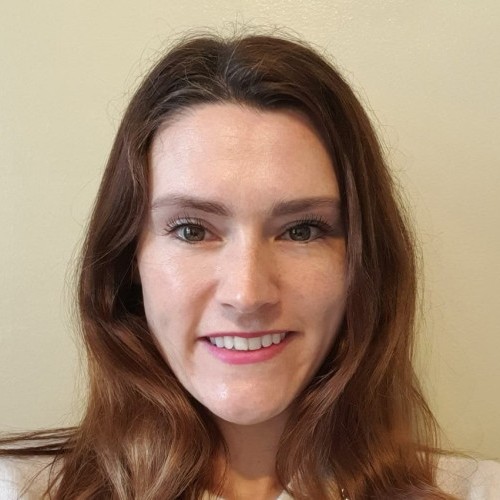
Helen Gilpin
Subject matter expert – mental health and neurodiversity, New Hospital Programme, NHS England, United Kingdom
Helen is a clinical psychologist with extensive experience working across various mental and physical health settings. She particularly specialises in supporting people living with chronic pain and complex long-term physical health conditions. She is passionate about tackling health inequity and transforming healthcare to deliver better, more integrated and tailored support for every individual.
Helen completed her doctoral clinical training at the Institute of Psychology, Psychiatry and Neuroscience, King’s College London. Throughout her NHS career she has worked across various clinical settings and has held roles in strategic leadership, commissioning, and clinically relevant research. Within NHS England, she has led and delivered on a number of regional transformation programmes that have achieved measurable improvements in critical care provision, specialist respiratory and obesity pathways, and wider public health and prevention initiatives. For the past two years, she has been working as the subject matter expert for mental health and neurodiversity in the New Hospital Programme.


Helen Green
Consultant in public health – Population Health and Quality, NHS England – East of England, United Kingdom
Helen is a consultant in public health with NHS England East of England’s Public Health Directorate, working on population health management and quality. She additionally works in East Suffolk and North Essex Foundation Trust as clinical associate director for health inequalities and has previously worked to support East of England integrated care systems with developing their population health management capacity and capability. Helen is an epidemiologist by background, working in public health surveillance for Public Health England, UNICEF, and the World Health Organization, before completing her public health training in the West Midlands.
Hieronimus Nickl
CEO, Nickl & Partner, Germany
Hieronimus Nickl studied architecture at the University of Applied Sciences Erfurt, graduating in 2003. In 2008, he completed an MBA in International Hospital and Healthcare Management at the Frankfurt School of Finance & Management.
He joined Nickl & Partner Architects in 2003 and, by 2005, was leading projects and teams, with a focus on international assignments. Since 2015, he has been the managing director of the Beijing office, and in 2019, he became a member of the Board of Directors at Nickl & Partner Architects. He additionally holds the role of managing director of Nickl & Partner Architects Germany and Nickl & Partners Holdings.


Isabella Villegas
Executive director, MGAC, Canada
Isabella Villegas, executive director at MGAC, is an owner’s advocate and trusted advisor based in our Toronto office with over 20 years of experience in project and programme management. Isabella is dedicated to safeguarding the owner’s interests and vision throughout every stage of a project. She brings a passion for community-building initiatives, ensuring that each project contributes meaningfully to the people it serves.
Her approach to project management is rooted in integrating scope, schedule, and cost to collectively mitigate risk and provide a clear, comprehensive view of project performance. With a proven track record, Isabella has successfully led major real estate programmes and large-scale projects across Canada, delivering results that align with strategic objectives while maintaining transparency and accountability.
Isabella is a certified project management professional (PMP). She received both a Bachelor of Architecture and Bachelor of Environmental Studies from the University of Waterloo and the Project Management Professional Designation from the University of Toronto.

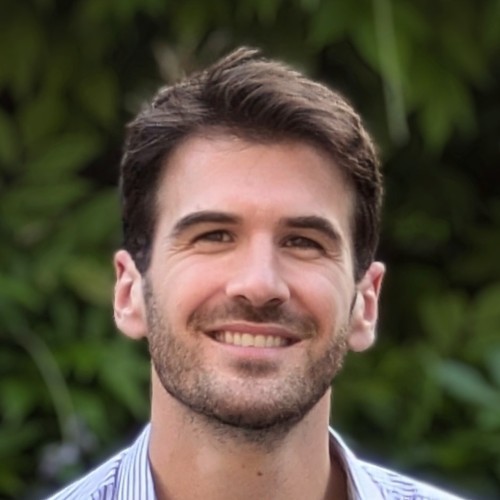
Jack Sardeson
Associate, Perkins&Will, United Kingdom
Jack Sardeson is an Associate Architect at Perkins&Will in London, where he co-leads research and works predominantly on complex healthcare and higher-education projects. His professional work focuses on the design and delivery of hospitals, life-science environments, and integrated care facilities, exploring how architecture can improve health outcomes, support multidisciplinary collaboration, and respond to the needs of ageing populations.
Previously, Jack contributed to the design and delivery of a fast-track programme of fifteen hospitals across northern Peru, working closely with multidisciplinary teams and local health authorities. His published research on healthcare environments and ageing societies has been supported both through a Churchill Fellowship and Arup University, focusing on dementia-responsive design and integrated care models.
Jack obtained his fellowship University of Cambridge and has been an Honorary Research Fellow at The Bartlett School of Architecture, UCL. He is also co-author of the illustrated children’s book Talisman and the Dove, which explores themes of care, resilience, and healing in children’s hospital settings.


James Mackenzie-Burrows
Director, Hoare Lea, UK
James is an experienced engineering leader at Hoare Lea, where he has helped grow the Cambridge office since joining in 2011 and has led projects across the region. He heads the electrical engineering team and has delivered several major healthcare and science projects for Cambridge University Hospitals NHS Foundation Trust and the University of Cambridge. James is passionate about delivering complex projects through strong relationships, collaborative teams, and a clear understanding of client needs. Most recently, he was involved in the delivery of the Histopathology Laboratory, helping create a state-of-the-art facility for one of the region’s most critical diagnostic services.
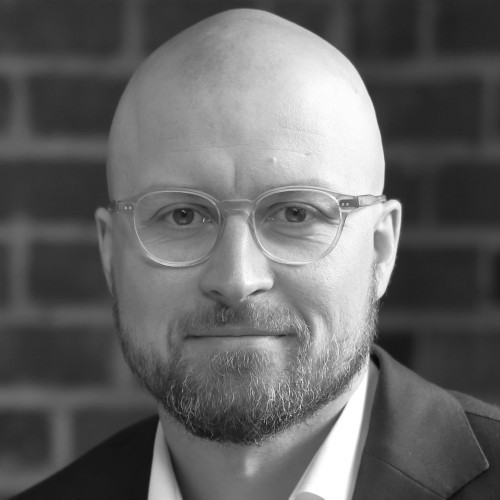
Jan Kroman
Partner, DIALOG, Canada
Jan Kroman is a Registered Architect and Partner at DIALOG, based in Edmonton, Canada, with international and Canadian experience spanning acclaimed design practices in the Netherlands, Japan, Toronto, and Calgary. His work focuses on the design of complex healthcare environments, where he integrates clinical flow, stakeholder engagement, and architectural meaning to create high‑performing, human‑centred spaces. Jan is highly committed to maintaining design intent while rigorously addressing scheduling, operational, and fiscal constraints across all phases of project delivery.
Jan’s ability to balance technical rigour and expressive design is grounded in his interdisciplinary education. He holds a Bachelor of Engineering from the University of Calgary and a Master of Architecture from the University of Toronto, where his academic work explored the relationship between infrastructure, environment, and place. At the Congress, Jan presents Designing for Flow and Meaning, examining narrative‑driven healthcare design through the Misericordia Community Hospital Emergency Department redevelopment.
Jane Ho
Regional practice director, HKS, United Kingdom
Jane Ho is a partner and regional practice director, health, at HKS. She works in the firm’s London office focused on developing the integration of concept and functionality and how people experience healthcare facilities. Jane designs with sensitivity for flexibility and adaptability, developing better buildings for a holistic user experience.


Jason Mitchell
Vice-president, global operations, Health Care Relocations, Canada
Jay is an articulate, highly motivated individual with proven expertise in project management for healthcare facilities in transition. Since joining Health Care Relocations in 2011, Jay has worked in numerous diverse areas of the business, including the design, implementation and execution of the safe transfer of several hospitals and thousands of patients around the world. Jay has proven himself to clients through his performance at a high level within incredibly stressful circumstances. Jay is an adept motivator and communicator, who routinely presents to large audiences of medical staff.


Jaspreet Sethi
Architect, OCADU, Canada
Jaspreet Sethi is a multidisciplinary professional with a background in architecture, research, and design. With experience spanning healthcare environments and community-driven initiatives, she brings a thoughtful, systems-oriented approach to problem-solving. Jaspreet is particularly interested in sustainable development, innovation in health systems, and the integration of biobased materials and future-focused solutions into real-world applications. Her work explores the intersection of built environments, wellbeing, and social impact, with a focus on designing spaces that are resilient, inclusive, and environmentally responsible.


Jo Knox
Patient participation manager, Vital Arts, Barts Health NHS Trust, United Kingdom
Jo is the participation manager for Vital Arts, focusing on developing ambitious partnerships with local arts institutions and delivering projects centred on engagement and accessibility for the wider hospital community. She sits on the Steering Group for the City of London Culture Mile Bid, and she is a member of the Insight and Patient Experience group for Barts Health NHS Trust.
Jo has over eight years' experience working in museum and gallery engagement and access teams, designing and managing impactful programmes for local, national and international audiences of all ages. In her previous roles, Jo has developed and delivered complex partnerships with schools and community groups and large-scale festivals celebrating arts and culture.
Jo has produced work for Royal Museums Greenwich, the RA and the V&A, and holds an MA in Museums and Galleries in Education from UCL.


Jo Morrison
Director of digital innovation and research, Calvium, United Kingdom
Enhancing people’s experience of places in novel ways has been at the heart of Jo’s work for 20+ years. By embracing inclusive participatory practices, such as co-design and community engagement, she hopes to create healthier neighbourhoods for all.
Project partners in the UK have included the NHS, National Trust, City of Edinburgh Council, University of Plymouth and the Arts Council England.
Her credential highlights include:
* co-founder and co-CEO of the Association of Collaborative Design
* fellow of Royal Society for Arts;
* fellow of Institute of Place Management;
* fellow of Higher Education Academy;
* industry champion, Creative Industries Policy and Evidence Centre; and
* trustee, League of Friends of South Petherton Hospital.


John Bodley-Scott
Senior Design Manager, Sisk, United Kingdom
John has more than 30 years’ experience working as an architect and design manager in the healthcare, commercial and residential sectors. He has worked for both small and large architectural practices on a variety of projects ranging from minor healthcare refurbishments to large new build hospital projects and has also run his own architect’s practice completing several mental healthcare projects. John continues to work in design management for design and build construction companies and is currently a senior design manager at Sisk. Passionate about healthcare design, he has a keen interest in modern methods of construction, IPC, BIM and sustainability in the design and construction of modern healthcare facilities.
Jonathan Brett
Photographer, ERGO, United Kingdom
Jonathan is a research photographer at the Oxford Eye Hospital where he has been based since 2004. He’s been lead author on many publications and his images have featured throughout the 9th and 10th editions of Kanski’s Clinical Ophthalmology, where he worked as picture editor. He has also been recognised for the quality of his work with over 30 imaging awards both nationally and internationally. His most recent project involved researching retinal painters for a paper on the life and works of Terence Tarrant. Painting Unknown Worlds was published in Eye and the paper was presented as part of the 2023 Cambridge Ophthalmology Symposium. Jonathan is currently working on improving the hospital by introducing a new wayfinding system.
Joshua Igbineweka
Clinical fellow and pharmacy SME, New Hospital Programme (NHS England), UK
Joshua Igbineweka MPharm (Hons), PGDip, IP, is an experienced pharmacist and senior healthcare advisor specialising in strategy, design, and transformation. As clinical fellow in the NHS New Hospital Programme, he is chair of the programme’s patient safety working group. Joshua’s work also centres around harnessing innovation at scale, redesigning the hospital medicines management ecosystem for the future and advancing medicines optimisation in modern healthcare environments, which integrates digital automation, robotics, and new ways of practice.
Joshua has spent most of his clinical practice working as a specialist pharmacist in haematology and oncology at a major London teaching hospital, where he acquired his independent prescribing qualification.


Julia Davies
Healthcare director, NBBJ, United Kingdom
Julia is an experienced healthcare architect with over 14 years at NBBJ, she has led major projects for NHS trusts, including Guy’s and St Thomas’, King’s College Hospital, and Cambridge University Hospitals. Passionate about creating spaces that support advanced medical research and care delivery, Julia combines technical expertise with a collaborative approach, guiding stakeholders through complex design challenges to achieve outcomes that are both functional and inspiring. As project leader for the Histopathology Laboratory, she worked in close partnership with the Trust and multidisciplinary user groups to deliver a cutting-edge facility that transformed this essential diagnostic service.


Kim Holden
Architect, doula, educator, maternal health advocate, Doula x Design; Yale University, United States
Kim Holden, AIA, is an architect, birth and postpartum doula, and maternal health advocate whose work bridges design and care. As founder of Doula x Design and a founding principal of SHoP Architects in New York City, she brings architectural expertise to addressing the U.S. maternal health crisis. Her work examines how the built environment shapes birth experiences, clinical outcomes, trauma, and racial disparities—advancing design as a critical tool for improving maternal care.
Kim was the 2023–2024 William Henry Bishop Visiting Professor at Yale School of Architecture, where she developed and co-taught a graduate studio on spaces of birth with Emily Abruzzo. She has lectured and served as a juror at leading institutions across North America. Kim serves on the boards of New York based The Birthing Place Foundation and Madame Architect and is a founding member of the Mobilize Maternal Health Coalition. She is Shaw Innovation Fellowship advisor on maternal health design at the University of New England.
Kit Knowles
Sustainability consultant, Ecospheric, United Kingdom
Kit Knowles is director of Ecospheric, an award-winning Passivhaus design and low-energy consultancy specialising in complex net-zero projects. He served as NHS net-zero carbon co-ordinator for the Countess of Chester Women & Children’s Building, the first hospital in England to achieve the NHS Net Zero Building Standard. In this role, Kit led sustainability strategy and compliance, co-ordinating the design team to meet rigorous targets for embodied carbon, operational energy, and whole-life carbon. The project achieved a 220MWh reduction in energy demand, delivered 25-per-cent lower upfront carbon than required, and is fully gas-free, powered by heat pumps and renewable electricity.
Kit’s work bridges energy consultancy, academic research, and sustainable property development to deliver evidence-based decarbonisation strategies. He has co-authored research on heritage retrofit with the University of Liverpool and holds leadership roles as chair and acting executive of the Association for Environment Conscious Building and Trustee of the Passivhaus Trust.
Kristina Richter Adamson
Architect, researcher, Brno University of Technology, Czech Republic
Ing. arch. Kristina Richter Adamson, MSc (b. 1985) is a British-Czech architect registered with the Czech Chamber of Architects and RIBA UK. She is a practising architect, university lecturer, and doctoral candidate at the Faculty of Architecture, Brno University of Technology, where she also completed her architectural studies. She holds a Master's degree in Healthcare Building Planning from London South Bank University.
Her work focuses on hospital and healthcare architecture, exploring how evolving models of care reshape their urban and architectural form. Her doctoral research investigates how virtual care transforms healthcare buildings, with attention to the hospital bedspace, not only as an architectural element but also as an ethical and spatial device through which relations of dependency, control, and responsibility are organised within broader infrastructures of healthcare.
Laurence Cobo
End-to-end medicines optimisation support, Health Delivery Partnership, United Kingdom
Laurence Cobo
End-to-end medicines optimisation support, Health Delivery Partnership, United Kingdom
Laurence is a Canadian registered nurse and a senior consultant within the Health Delivery Partnership with over ten years of industry and healthcare consulting experience in Canada and the United Kingdom. Laurence has extensive experience in various health advisory initiatives, including strategic planning, clinical service planning and visioning, service design and tech-enabled transformation.
Additionally, Laurence has an expertise in neuro-critical care, and prior to joining the Health Delivery Partnership, she held various roles in the nursing leadership team at a tertiary healthcare organisation, specialising in quality improvement, as well as procurement and supply chain.
Leanne Guy
Principal and health sector leader, Hassell, Australia
As Hassell’s health sector Lead, Leanne brings strategic leadership and insight through a background in nursing and design with over 25 years of experience with public and private healthcare clients in Australia and the United Kingdom.
She’s worked on many complex developments, including the Royal Children’s Hospital in Melbourne, and recently, the New Mount Barker Hospital in South Australia. Her extensive portfolio and experience as a healthcare professional have deepened her understanding of the clinical and operational needs of complex health facilities – and that insight translates into innovative and highly efficient design solutions.
Actively involved in Hassell’s health research, Leanne is passionate about ensuring that design outcomes meet the evolving needs of clients and communities, improving not just the quality of space but ultimately people’s wellbeing.
Lianne Knotts
Director, Medical Architecture, United Kingdom
Lianne is a director of Medical Architecture and a senior healthcare architect with 18 years of experience shaping complex clinical environments. She brings deep sector knowledge across stakeholder engagement, health planning, feasibility studies, and full design-to-construction delivery. A specialist in mental health facility design, Lianne serves as a trustee of the Design in Mental Health Network, contributing to global thought leadership in therapeutic environments. Her strength in user consultation has led her to collaborate closely with local architects and clinical teams internationally, including recent work in Toronto and Prince Edward Island. Lianne’s portfolio spans award-winning projects recognised by RIBA, Building Better Healthcare, the Design in Mental Health Network, and the International Academy for Design & Health, reflecting her commitment to creating safe, dignified, and healing spaces for patients and care teams.


Lienelle Geldenhuys
Associate director, White Arkitekter, United Kingdom
Lienelle Geldenhuys is an associate director at White Arkitekter’s London studio, where she leads the practice’s healthcare portfolio across the UK and Ireland. With 20 years’ experience designing healthcare environments in the UK and Europe, she specialises in creating inclusive, sustainable settings that respond to the evolving needs of patients, families, and healthcare professionals.
Her approach is grounded in evidence-based design and shaped through meaningful engagement with clinicians, patients, and staff. She is committed to ensuring hospital environments meet operational and clinical requirements while also supporting dignity, comfort and wellbeing.
Lienelle is the architecture lead for the new Women and Children’s Hospital for the Royal Cornwall Hospitals NHS Trust, a major project that will transform maternity, paediatric, and gynaecology services for the region.
She was previously co-design lead for the new Cambridge Children’s Hospital, shaping a new integrated model that brings physical and mental healthcare together with research in a purpose-built therapeutic environment.
Her wider portfolio includes the New Children’s Hospital in Dublin and the Oak Cancer Centre at the Royal Marsden. Across all her work, she brings a clear focus on clinical excellence, sustainability, and collaborative design to deliver healthcare environments that are future-ready and rooted in human experience.
Liesbeth van Heel
Advisor and researcher, Erasmus University Medical Center, The Netherlands
Liesbeth van Heel studied Facility Management and Business Economics. Healthcare and complex organisations always had her interest. She worked in the FM department, was an administrator at the department of Paediatric Surgery, and supported the Executive Board of Erasmus MC as the junior Board secretary, before joining the project management team developing a newly built hospital in 2001. She combined the role of project secretary for this 20-year endeavour with leading a small expertise team (PMO) within the Real Estate directorate.
In 2014, she left this management position to direct her focus to the co-ordinating effort to align the various strategic programmes within Erasmus MC towards the preparations for a safe relocation to the newly built hospital building, with fitting work processes, logistics and IT-support, as the programme secretary for the Our New Erasmus MC (ONE) programme organisation.
Liesbeth’s special attention has always been directed towards patients’ needs, stakeholder engagement and creating a "healing environment", using (inter)nationally acquired evidence and experience-based design knowledge. She propagates knowledge sharing and network building for 'informed clients' in the Netherlands and beyond. In April 2026, she will defend her PhD thesis on stakeholder engagement in the transformative process for a newly built hospital.
Since 2020, she is a Board member of the European Health Property Network (EuHPN). In 2022, she chaired the Organizing Committee of the 5th Architecture, Research, Care & Health (ARCH) conference in Delft and Rotterdam. Since 2023, she has co-ordinated a ‘living lab’ for bachelor students of the Rotterdam University of Applied Sciences within the Real Estate directorate. In June 2025, she received the Susan Francis Design Champion award at the European Healthcare Design conference in London. In 2025-2026, she is also working as a visiting research fellow with the “Next Generation HealthScapes” theme at the Pufendorf Institute of Lund University, Sweden.
Lilian Leistad
Hospital planner, Sykehusbygg HF (Norwegian Hospital Construction Agency), Norway
Lilian has been working in Sykehusbygg HF (Norwegian Hospital Construction Agency) since 2017. The job covers early planning of hospitals (including estimating future hospital activity and capacity needs) and pre- and post-evaluation of hospitals and monitoring through the phases of a project. Additionally, the job includes developing evaluation tools and guidelines, in co-operation with internal and external actors, including health authorities and other relevant institutions.
Previous work has been related to research within molecular medicine and epidemiology, including health registries and health studies, as well as biological material and contribution to public reports (e.g. National health and hospital plan). She has a Master's degree in Cell Biology and holds a PhD in Molecular Medicine from the Norwegian University of Science and Technology (NTNU) in Trondheim. Her thesis was about the role of inflammatory mediators in rheumatic diseases.

Lorraine Calcott
Director, researcher and principal designer, it does Lighting, United Kingdom
Lorraine Calcott is Principal Consultant at it does Lighting Ltd, an award-winning UK consultancy delivering lighting design, research, training, and technical excellence across the built environment. With nearly four decades in the lighting profession, Lorraine is one of the world’s few Certified Lighting Designers (CLD), a Fellow of the Institution of Lighting Professionals (FILP), and a recognised thought leader in the emerging field of light, health, and wellbeing.
Her work bridges lighting design, biological science, and human outcomes, exploring how spectrally specific light can support sleep, circadian health, productivity, and long-term wellness, while balancing sustainability and ecological responsibility. Lorraine is passionate about advancing the understanding that light is not merely illumination, but a critical biological and environmental signal.
Through pioneering research, industry guidance, and practical application, she is committed to shaping healthier, more intelligent lighting environments for the future.

Louisa Williams
Founder and director, Art in Site, United Kingdom
Louisa is an art consultant with over 20 years of experience working across commercial and public sectors, including retail, airports, and healthcare. She founded Art in Site in 2003 after recognising the need for more strategically minded art schemes for hospitals. Since then, Art in Site has produced work that connects with the emotional needs of patients, visitors, staff; helps services to become more functionally efficient; and provides meaningful outcomes around which shared culture can grow.
Louisa has worked on projects for the Evelina London Children’s hospital since its opening in 2005. Together with co-director Martin Jones, Louisa developed the Evelina London friends, a group of children of different ages drawn by celebrated manga artist Kiriko Kubo. The children were originally invented to show the way around the hospital and provide a welcome, but their role quickly extended into messages of community and encouragement. Working with psychologists, families and mental health experts, Art in Site has integrated the illustrations into interior design interventions aimed at supporting staff and patients – helping to improve outcomes and to deliver better care.


Lucy Andrews
Development officer – hospice-friendly hospitals, Irish Hospice Foundation, Ireland
Lucy has been working in the non-profit sector since 2015, for national organisations both in the UK and the Republic of Ireland. After working within the mental health field, Lucy joined the Irish Hospice Foundation as development officer for hospice-friendly hospitals in 2023, where she currently works on multiple quality improvement programmes, including Design & Dignity. In addition to supporting the management of national hospital projects, she delivers and co-ordinates small grants funding across Ireland. Lucy is passionate about improving the quality of care at end-of-life and is currently completing her thesis within this field. Lucy is due to graduate with a BA Honours in Social Science from Dublin Business School in 2026.


Lynne Wilson Orr
Principal, Parkin Architects, Canada
Lynne is a valuable resource for Parkin. She specializes in evidence-based design and providing support to the design team. Lynne has extensive experience in designing facilities for a variety of healthcare programs, including maternal newborn care, pediatrics, mental health, cancer care, rehabilitation, and elder-friendly hospitals.
Lynne is a published author of the Health Canada Family-Centred Maternity and Newborn Care Guidelines and sits on various committees related to healthcare design, including the USA Consensus Committee for Newborn ICU Design, CSA Strategic Steering Committee on Healthcare and Well-being, and the Public Health Agency of Canada Committee for Family-Centred Maternal Newborn Care Guidelines. Her expertise and dedication ensure successful outcomes for all healthcare projects.
Maggie Duplantis MHA, BSN, RN
Director of clinical planning and design, Houston Methodist, United States
Maggie Duplantis currently serves as the director of clinical planning and design at Houston Methodist, where she oversees all aspects of the clinical design process, activation, and transition planning for system capital construction projects. With over 20 years of operational management experience and 17 years in design and construction, she brings a blend of clinical, operational, and administrative expertise to her role. As a bridging liaison between clinical practitioners and facility planners, Maggie ensures that clinical needs are fully integrated into the design and construction of healthcare environments. She has worked at Houston Methodist for more than 37 years, holding various nursing leadership positions prior to her current role. She earned her Bachelor of Science in Nursing from Stephen F. Austin State University and her Master of Healthcare Administration from Texas Woman’s University. She is a member of the Nursing Institute for Healthcare Design (NIHD) and currently serves on the Advisory Board for Women in Healthcare, Houston Chapter.


Manar Albahrani
Student – expected graduation: Summer 2026, Imam Abdulrahman Bin Faisal University, Saudi Arabia
Manar Albahrani, an undergraduate interior design student at Imam Abdulrahman bin Faisal University (IAU) in Saudi Arabia, demonstrates a design-thinking approach that focuses on user experience, spatial perception, and human-centred innovation across diverse project typologies. Driven by a strong intellectual curiosity about how human behaviours and emotions shape the environments people inhabit, she approaches design as an interactive system where space, technology, and human behaviours converge to create meaningful experiences. With interests in architectural and graphic design, creativity, and sustainability, serve as integral drivers of practice. Valuing continuous exploration and experimentation, ideas are generated through an iterative, research-driven process. Motivated by a desire for new opportunities, Manar constantly seeks to enhance her skills and extend the limits of knowledge. Active engagement in challenges and collaborative innovation platforms strengthens the ability to think systemically, adapt quickly, and deliver solutions that enhance human experiences.


Manjula Meda
Consultant clincial microbiologist and infection control doctor, NHS; Chair, Healthcare Infection Society, United Kingdom
Dr Meda completed microbiology specialist registrar training from KSS deanery St George's Hospital and Frimley Park hospital where she was the first microbiology registrar to train, London, following several years in training in Paediatrics. She transitioned into infection prevention role in the NHS in 2009. She is currently employed at Frimley Health NHS Foundation, a large trust in the southeast of England, as a consultant microbiologist and infection control doctor. Manjula’s special interest lies in the built environment, especially around water and wastewater safety in healthcare. She has introduced water-free concepts in patient care in the UK. She currently holds the position of chair of the Healthcare Infection Society (HIS). She is actively involved in research and been part of many national clinical trials and working collaboratively with other organisations. In this role, she has led the development of a HIS water and wastewater safety course and the formation of the BEIPI (Built Environment Infection Prevention Initiative), bringing together all those involved in building hospitals from architects to IPC teams with the aim to build safer hospitals. She is passionate about bringing innovation and transformation required in current and future healthcare buildings to reduce risk of AMR transmission from the built environment.
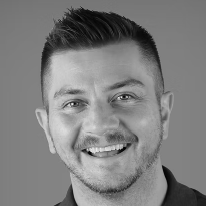
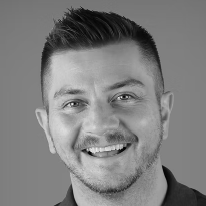
Matthew Hickey
Principal, Two Row Architect, Canada
Matthew Hickey, Mohawk from the Six Nations of the Grand River Reserve, holds a Master's of Architecture from the University of Calgary and a Bachelor of Design from the Ontario College of Art and Design. His Mohawk background profoundly influences his work. At Two Row Architect for 18 years, Matthew oversees design and development with a focus on Indigenous architecture, creating buildings, landscapes, and installations across Turtle Island. His sustainability approach emphasises regenerative and restorative design, incorporating ecological, cultural, and economic principles, and advancing universal inclusivity through landscapes, food equity, water importance, and place-keeping. Matthew’s research includes Indigenous architectural history in Northern and Middle America and aligning Western ideologies with sustainable technologies for modern North America. As a tenure-track professor at OCADU, he lectures widely, including at the University of Lethbridge. He is also a member of the Waterfront Toronto Design Review Panel, a mentor at Nikibii Dawadinna Giigwag, and recently joined the Urban Land Institute’s Advisory Committee.
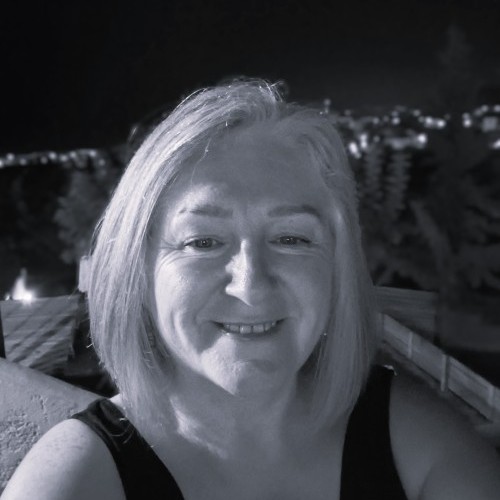
Maureen McGinn
Digital lead, NHS Lanarkshire, United Kingdom
Maureen is the digital lead for the Monklands Replacement Project. She has worked in a range of roles across NHS Lanarkshire. Her project management and digital experience spans property and support services (PSSD), where she was involved in delivering complex facilities management projects for both hard and soft services and e-health where her focus was predominately digital systems that support service change and new ways of working.
Replacement of University Hospital Monklands presents NHS Lanarkshire with an opportunity to build in digital from the outset, both within the fabric of the building and to enable delivery of new models of care.


Meera Ruparelia
Senior manager - pharmacy SME, New Hospital Programme (Health Delivery Partnership), UK
Meera is a registered pharmacist with over a decade of hands-on clinical experience, seamlessly integrated with seven years dedicated to driving digital transformation initiatives. This dual expertise provides a comprehensive understanding of both healthcare operations and technological innovation, enabling the development and implementation of strategic digital solutions that enhance efficiency, optimise patient care, and streamline complex healthcare operations.

Michael Moxam
Vice-president – architecture, Stantec Architecture, Canada
As vice-president and practice lead for design culture in Stantec Architecture, Michael is committed to excellence in all aspects of the design process. His experience in the design and development of complex project types is characterised by a commitment to design excellence; an emphasis on a collaborative, integrated design process; and a desire to redefine established typologies. His approach focuses on research and analysis of factors such as community context, history, site, landscape, topography, and environmental context. Michael's goal is the creation of environments that inspire and enhance community connectivity and city building.


Michelle Jutt
Global practice director, advisory, HKS, United States
Michelle enjoys using evidence-based measures to translate safety and efficiency for people and processes. To her, this is one of the most important roles for an operational planner. Michelle is a registered nurse that brings 19 years of hospital experience ranging from bedside, human resources, quality, safety, education and administration. As an operational planner, she strategises with our clients and architecture teams on national and international healthcare projects providing strategy, Lean operations and space programming. Her extensive experience in operations has spanned myriad-sized facilities and settings.
Mike Dunne
Technical director, buildings, Stantec, United Kingdom
Mike has been a building services engineer for more than 20 years, the last 16 of which he has spent focusing on healthcare environments. He is an expert in delivering projects that involve ultra clean ventilation (UCV) operating theatres and the management of critical ventilation systems across a global healthcare estate.
One of Mike’s most memorable experiences involved leading and delivering a research project into the capability of the NHS estate to achieve its net-zero ambitions. The project focused on improving heating, ventilation, and air conditioning systems and inefficiently designed building management system controls.
Mike is a registered authorising engineer for ventilation with the Institute of Healthcare Engineering and Estates Management (IHEEM). He is also a fellow with IHEEM and supports applications for the Engineering Council. Additionally, he is registered with the Chartered Institute of Building Services Engineering (CIBSE), the Institute of Engineering and Technology (IET), and the Specialist Ventilation in Healthcare Society (SVHSoc).


Mina Sadat Tabatabaee
Researcher, Iran University of Science and Technology, Iran
Mina Sadat Tabatabaee is an industrial designer and researcher in health oriented design. She holds a Master’s degree in Industrial Design from Iran University of Science and Technology, where she completed her graduate studies under the supervision of Associate Professor Hassan Sadeghi Naeini and contributed to research activities at the university’s Ergonomics Laboratory. Her professional and research work focuses on the intersection of product design, human health, and quality of life. Her research interests include design for physical and mental wellbeing, improving sleep quality, and exploring the role of design in supporting circadian rhythm regulation. Through her work, she investigates how thoughtful and human centered design can enhance user wellbeing, support healthier lifestyles, and improve everyday performance and productivity. She is particularly interested in the role of quality sleep as a fundamental factor in health, wellbeing, and optimal daily functioning.


Montgomery Jackson
PhD researcher, University of Cambridge, United Kingdom
Monty Jackson is a PhD researcher at the University of Cambridge’s Energy Efficient Cities Initiative and a member of the EPSRC Centre for Doctoral Training in Future Infrastructure and Built Environment (FIBE2 CDT). His research focuses on the energy performance and decarbonisation of NHS hospital estates, with particular attention to the infrastructure, operational, and organisational challenges that shape energy use in complex healthcare environments.
His work combines multiple research methods, including large-scale data analysis, semi-structured interviews with NHS estates professionals, and building energy modelling to understand how hospitals consume energy and where decarbonisation interventions are most feasible. Through this mixed-methods approach, Monty aims to identify practical retrofit pathways that align with clinical operations, infrastructure constraints, and long-term asset planning.
Alongside his PhD, he contributes to national work on data analytics within NHS estates and facilities management, supporting efforts to improve decision-making and strategic planning across the healthcare estate.


Nabia Majeed
Independent, Canada
Nabia has over ten years of experience in space, capital, and masterplanning of clinical and non-clinical infrastructure projects at more than 17 hospitals in five provinces across Canada. She is experienced in space planning, functional programming, business case development, needs assessments, feasibility studies and option analyses, leading user groups, and best practice standards and guidelines working on healthcare infrastructure projects with University Health Network, the Ministry of Health in Ontario, Alberta Infrastructure, Interior Health Authority, and Saskatchewan Health Authority, among others. Nabia has an academic background in Architecture & Philosophy and is a senior clinical functional programmer with Archus. Her focus and interests lie in the philosophical, architectonic, technological, ecological, and human-centred future of medical architecture design and planning.


Nathan Shelley
Associate director, sustainability and decarbonisation, AECOM, United Kingdom
Nathan has an academic background in environmental science and professional experience in low-energy, carbon and environmental impact refurbishments and developments. Nathan is an expert in net-zero design strategies for healthcare projects and he has championed the NHS Net Zero Building Standard for the first wave of pioneer net-zero hospitals in the UK, including Hillingdon Hospital, Airedale General Hospital and Calderdale Royal Hospital.


Neil Hitchen
Associate director, Arup, United Kingdom


Nekisha McGill
Senior sustainable analyst, HDR, United States
Nekisha is an accomplished sustainability leader with more than two decades of experience in climate resilience planning and sustainable design for the Department of Defense. She has a strong background in sustainable strategy development, federal asset management, project management, and energy programme management. Since joining HDR, Nekisha has served as the energy and sustainability manager for the Marine Force Reserves, where she oversaw the implementation of mission-aligned initiatives that consistently exceeded resilience and efficiency goals. She now serves as the federal sustainable compliance lead, leading company-wide strategy and ensuring our design teams are resourced to interpret and filter policies and guidelines for high-performance buildings.


Nicole Czapek
Studio practice leader, health interiors, HKS, United States
Nicole is a healthcare interior designer with over 13 years of experience at HKS, specialising in creating welcoming, easy-to-navigate spaces. She focuses on integrating biophilic design elements, inspired by her deep interest in art, architecture, and the impact of natural surroundings on the wellbeing of all users. With experience on both domestic and international projects, Nicole understands that clear communication with clients is essential for successful design. Skilled in graphic design, furniture/materials research, rendering, and construction administration, she brings passion, enthusiasm, and a strong work ethic to every project, contributing to HKS's commitment to responsibly designed environments
Nika Wolswijk
Bachelor thesis researcher, Rotterdam University of Applied Sciences, The Netherlands
Nika Wolswijk is a final-year student of Real Estate Management at Rotterdam University of Applied Sciences. She is fascinated by the built environment and the way spaces influence people’s wellbeing and daily experiences. This interest, combined with her personal experiences with various family members and friends who are or have been seriously ill, motivates her to contribute to more supportive and people-centred care environments. She has seen first-hand how significant the influence of a hospital environment can be, not only on patients but also on their loved ones.
For her graduation research, Nika focuses on the integration of patient- and family-centred care (PFCC) in adult hospital care. She investigates which family facilities, both spatial and functional, are meaningful, feasible and future-proof, with the aim of strengthening the role of families as essential partners in the care process. Her goal is to understand how hospital environments can better support families, increase their involvement and ultimately improve patient experiences and outcomes.
In collaboration with stakeholders in healthcare and the built environment, she wants to bridge the gap between property development and PFCC-principles. Her ambition is to help shape supportive hospital environments for patients and their loved ones.


Orly Atzmon
PhD candidate, Monash University, Australia
Orly is a clinical psychology PhD candidate with a strong passion for improving wellbeing through evidence-based practice. This passion has guided her research focus on insomnia in the perinatal period, with particular interest in the effectiveness of cognitive behavioural therapy for insomnia (CBT I) and the barriers and facilitators to implementing this treatment within perinatal care settings.
Throughout her training, Orly has gained broad clinical experience through diverse clinical rotations, working with youth and young adults, assessing individuals for neurodevelopmental disorders, and contributing to rehabilitation work within a geriatric inpatient service. These varied experiences have strengthened her commitment to delivering compassionate, research informed care across the lifespan.
Orly hopes to pursue a career as a clinical psychologist while continuing her research to help bridge the gap between scientific evidence and real-world psychological practice.


Paul Niblett
Senior architectural technologist, HKS Architects, United Kingdom
Paul believes that the transition from architectural ideas to built reality is comprised of countless decisions that are made amid a landscape of ever-changing circumstances. He strives to deeply understand each project’s goals and objectives, allowing the team to make informed decisions that optimise the design’s potential. Continually fostering open communications, his goal is to understand and align the owner’s expectations to promote client satisfaction.
Paul has proven himself successful in managing the technical information of projects while working to tight deadlines. He prides himself on delivering his projects to the best possible standard. He is skilled in both AutoCAD and Revit and has held the role of BIM co-ordinator on many projects. Paul also takes the time to mentor others by helping to implementing BIM modelling standards throughout the office.
Peter Dodd
Project director, Integrated Health Projects, United Kingdom
Peter Dodd is a highly respected IHP project director with over 25 years’ industry experience. Peter is a chartered civil engineer who specialises in complex healthcare projects. He is known for how he delivers as much as what he delivers, building genuine, trusting relationships with trust directors, clinical users, supply chain partners, and neighbouring communities to support collaboration and strong outcomes.
Peter played a leading role in the Countess of Chester Women & Children’s Hospital, the first completed NHS Net Zero Building in England. His relationship-driven leadership guided a fast-paced programme and aligned clinicians, estates teams and partners with clarity. Under his direction, the project achieved significant carbon reductions and created a fully electric, future-ready clinical environment enabled through airtightness, high-performance heat recovery and low-carbon materials. He also brings insight from delivering the Christie Paterson Redevelopment, one of the most complex research facilities in the country.


Philippa Dent
Public health specialty trainee, NHS England – East of England, United Kingdom
Philippa is an ST4 specialty registrar in public health based in the East of England, currently working within NHS England’s regional health equity team. Her recent work has centred on developing the Healthy Hospitals enhanced framework and implementation toolkit to improve population health on behalf of the national Healthy Hospital Advisory Group.
With a background in public health intelligence, previous experience has included leading the Population Health Intelligence Unit for Bedfordshire, Luton and Milton Keynes ICS, hosted by Bedford Borough Council, as well as spending time training at the UK Health Security Agency Regional Health Protection Team, and at Central Bedfordshire Council.
Prior to specialty training, Philippa worked as the health intelligence lead at Oxfordshire County Council, and led analysis for the county’s Covid-19 Surveillance Unit during the pandemic. Philippa holds an MPhil in Population Health Sciences from the University of Cambridge and a BSc in Biomedical Sciences from Newcastle University.
Pippa Scott-Heale
Divisional director, planned care, Countess of Chester Hospital, United Kingdom


Rachael Newbury
Associate, Parkin Architects, Canada
As an Interior Designer/Planner at Parkin, Rachael Newbury brings her experience as an Interior Design Technologist to planning, research, design, and creating construction documents for healthcare projects. Rachael thrives in fast-paced environments, demonstrating strong problem-solving skills, initiative, and a commitment to meeting tight deadlines. A dedicated team player, she possesses excellent interpersonal and leadership skills, a solid work ethic, and a high degree of energy and persistence.


Regina Kennedy
Director, healthcare strategy + planning, Lexica, member of WSP, United Kingdom
Regina is a strategic healthcare planner with a background in architecture and urbanism. Her previous career in academia focused on evidence-based design for health, including biophilia considerations, and its implications for health facility and estate planning and design. Having worked both within health systems and as a consultant, Regina has led healthcare planning and design from initiation to delivery, from small projects to large new hospitals and site masterplans, to national-level multi-site strategies. She has also led development of national and provider-specific guidelines for health facility planning and design.
Regina and her team offer strategic planning for clinical services and capital projects, clinical and operating model development, innovation, resilience and future readiness. Regina collaborates extensively with our clinical, data analytics, digital and sustainability colleagues to co-create transformative solutions for our clients and their communities.


Ruchi Choudhary
Professor of architectural engineering, University of Cambridge, United Kingdom
Ruchi Choudhary is professor of architectural engineering in the Department of Engineering at the University of Cambridge. Her research focuses on simulation methods for predicting energy demand in the built environment, working at the interface of data science and physics-based modelling. At Cambridge, she leads the Energy Efficient Cities Initiative and is co-investigator of the Cambridge Centre for Smart Infrastructure & Construction.
Her work spans simulation-based approaches for building energy management, uncertainty quantification in building and urban-scale energy models, and the integration of technologies such as district energy networks, geothermal systems, and urban-integrated farming. From 2018 to 2022, she led UK research on digital twins of the built environment at the Alan Turing Institute.
Ruchi is a fellow of the International Building Performance & Simulation Association and served as chair of IBPSA-England from 2018 to 2023. She sits on several editorial boards and previously taught at Georgia Tech and the Architectural Association.
Ruth Plummer
Director, Sir Bobby Robson Institute, UK


Samuel Rose
Director, IMPOWER Consulting, United Kingdom
Samuel Rose is a healthcare strategy leader with extensive experience in designing and delivering complex transformation programmes across health and care systems. At IMPOWER, Samuel has spearheaded initiatives that align clinical models, estates strategies, and investment priorities to create integrated, place-based solutions.
His work includes developing the “blueprint approach” for system-wide planning, leading digital transformation strategies for health boards, and shaping engagement plans for national programmes and internationally recognised organisations. Samuel has advised on major capital programmes, including innovative models for children’s hospitals and strategies for embedding clinical and digital transformation in new hospital builds.
Passionate about improving outcomes and value, Samuel collaborates with NHS providers, local authorities, and VCSE partners to tackle the challenges of ageing populations, rising demand, and constrained resources. His insights draw on primary research and practical experience, helping systems deliver sustainable change that benefits patients and communities.


Sanziana Maximeasa
Student, TUM, TU Munich, Germany
Sanziana Maximeasa studied architecture at the Technical University of Munich's School of Engineering and Design, earning her Bachelor's degree. Her particular interest lay in the impact of spaces on people, with a special focus on vulnerable user groups, including those in hospitals. She took several semesters of courses in hospital construction and participated in pilot projects. Currently, she is studying directing at the August Everding Bavarian Theatre Academy, where she made her acclaimed debut with "The End of Iflingen," based on a play by Wolfram Lotz.
Sharon Cook
Architect and healthcare lead, P+HS Architects, United Kingdom
A senior architect at P+HS and one of the practice's healthcare leads, Sharon has over 12 years' experience of working on projects in the healthcare sector. Sharon’s expertise covers a wide range working for a cross-section of NHS trusts and private clients, leading on projects ranging in scale from small refurbishments through to larger new build schemes. Equipped with a broad range of skills Sharon has a passion for stakeholder engagement and also holds a Post-Graduate Diploma in Construction Project Management.
Recent experience includes pathology labs, endoscopy departments, and urgent treatment centres, as well as a new-build health and care academy encompassing a primary care centre, nursing school, training and conference facility, She is also currently working on a new clinical trials unit for cancer research.


Sophie Hockin
Director , The Health and Place Project , United Kingdom
Sophie is a Chartered Town Planner, and in 2025 she was recognised as one of The Planner Magazine’s Women of Influence for exceptional contributions to health infrastructure planning and estates transformation. Sophie has set up the Health and Place Project to bring together her rare cross-sector expertise spanning the built environment, public health, strategy, sustainability and net zero to continue to shape hospital estates to ensure that they are fit for the future. Sophie recently completed an 18 month programme of work with the NHS North East London Integrated Care Board where she has led strategic initiatives to ensure healthcare infrastructure meets population needs. This has included influencing policy agendas, integrating public health priorities, and aligning projects with the NHS 10-Year Plan. Prior to her work with the NHS, Sophie worked in a range of public and private sector roles in planning and regeneration within Central, North and East London.
Suleyman Ekingen
Design director, Curtins, United Kingdom
Suleyman Ekingen is a chartered structural engineer and design director with over 20 years of experience in leading London-based engineering consultancies. He has delivered major projects across multiple sectors and is recognised for his ability to guide multidisciplinary teams through complex design and construction challenges.
His portfolio includes significant healthcare work, most notably the Midland Metropolitan University Hospital, which directly relates to the paper submitted for this competition. Suleyman has extensive experience in modern methods of construction (MMC) and is highly skilled in early-stage design co-ordination to support Design for Manufacture and Assembly (DfMA). He specialises in resolving complex structural problems and developing efficient, buildable and cost-effective solutions that respond to project constraints.
As a design director, Suleyman brings a strong client focus, collaborative leadership, and a practical approach that prioritises clarity, constructability, and technical excellence. He is passionate about structural engineering and is known for his problem-solving ability, attention to detail, and commitment to delivering high-quality outcomes.
Suleyman continues to champion innovative, efficient, and patient-centred approaches to healthcare design, drawing on his extensive experience to support the development of future-ready hospital environments.


Susana Erpestad
Global director of federal architecture, HDR, United States
As an architect and business leader, Susana Andrade Erpestad MBA, AIA, ACHA, LEED AP BD+C, EDAC serves as HDR’s global director of federal architecture and senior vice-president. She has been influential in evolving HDR’s global architecture practice, from her design work on life-changing healthcare projects to her strategic efforts in growing the firm’s federal architecture practice. Based in HDR’s Arlington, VA office, Susana is responsible for the revenue capture and the delivery of services in this market while shaping and enabling teams, accounting for hundreds of professionals who provide innovative, environmentally responsible, sustainable, and equitable design solutions to dozens of US and foreign government agencies. Over her 20-year career, Susana has demonstrated her deep understanding of both the design and business aspects of architecture. Her ability to seamlessly integrate creativity, technical knowledge, and strategic thinking have contributed to making her a highly effective and successful female leader in the industry. Since joining HDR in 2010, she has grown with the company and has excelled at building and leading teams, fostering client engagement, delivering complex projects, mentoring staff, and increasing market share. Her strategic thinking and analytical skills are also key drivers of her success.


Tim Roberts
Associate, Arup, United Kingdom
Tim Roberts is an Associate Fire Engineer at Arup with 18 years’ experience delivering fire engineering design for healthcare projects across the UK and outside the UK. He works across the full spectrum of healthcare delivery, from major acute hospitals and nationally significant programmes to smaller, targeted projects that deliver tangible value for NHS Trusts. Tim has particular expertise in PFI hospital handback, supporting Trusts through compliance, legacy risk and evidencebased decisionmaking at end of concession. He has also led fire strategy design for modular and modern methods of construction, enabling rapid delivery while maintaining robust life safety outcomes. His interest lies in improving interdisciplinary design and the integration of architecture and engineering, informed by a clear understanding of patient care needs, clinical workflows and Trust operations, to achieve safe, resilient and wellfunctioning healthcare buildings.


Tom Leake
Director, Curtins, United Kingdom
Tom Leake is a director at Curtins and a fellow of the Institution of Civil Engineers (FICE), bringing over 15 years of experience in delivering complex, high-profile projects. Throughout his career, Tom has played a pivotal role in shaping healthcare and life sciences infrastructure, including major hospital redevelopments and specialist facilities. Notably, he contributed to the Midland Metropolitan Hospital (MMH), providing strategic leadership and technical expertise to overcome challenging design and delivery requirements.
In addition to healthcare, Tom leads Curtins’ life sciences sector, driving innovation and excellence in projects that support cutting-edge research and development environments. His ability to manage multidisciplinary teams, navigate demanding programmes, and build strong relationships with clients and stakeholders has been central to his success.
Tom combines deep technical knowledge with a collaborative approach, ensuring projects meet the highest standards of quality and sustainability. Passionate about creating environments that enable scientific and medical advancement, he continues to champion design solutions that deliver long-term value. His commitment to client satisfaction and team development makes him a trusted advisor and an influential leader within the industry.


Trish Gray
Programme manager, Children's Cancer Programme, Evelina London Children's Hospital, United Kingdom
Trish is the programme manager and lead for patient and family involvement for the Children's Cancer: Principal Treatment Centre Programme at Evelina London (part of Guy's and St Thomas' NHS Foundation Trust).
She is extremely passionate about ensuring patients and families are included in every element of the work of the Children's Cancer Programme, and has worked with the Programme Team, ADP, and Art in Site to ensure they are represented at every level of the Programme governance, and have had every opportunity to shape the approach, design and artwork for the future services.
Trish is highly experienced in engaging and involving patients and families in the development of services and led on engagement work for the development of the Children’s Day Treatment Centre.


Tushar Gupta FAIA, NCARB
Vice president, sector leader, health, Stantec
Design has the power to transform health for entire communities – a responsibility always top of mind for Tushar. An inspirational leader and visionary designer, he champions environments that uplift lives and put people first. Raised in a home that valued critical thinking and social responsibility, Tushar brings those principles to every project – balancing innovation with compassion. Today, he leads Stantec’s health sector while mentoring a new generation of designers redefining spaces for health. A nationally recognised voice in the profession, Tushar has served as president of the AIA Academy of Architecture for Health and earned elevation to the prestigious AIA College of Fellows for his contributions to architecture and society. Through initiatives like Health Forward, Tushar advances thought leadership that sparks dialogue and drives innovation in design for health .
Unni Dahl
Hospital planner, Sykehusbygg HF (Norwegian Hospital Construction Agency), Norway
Unni has been working in Sykehusbygg HF (Norwegian Hospital Construction Agency) since 2015. The job covers early planning of hospitals, pre- and post-evaluation of hospitals and monitoring through the phases of a project. Additionally, the job includes developing evaluation tools and guidelines.
Previous work includes collaboration between hospital and primary health care services, developing specialist healthcare services for patients with chronic diseases, patient education programmes and patient participation.
Unni has a background as a nurse and has a Master’s degree in Pedagogics, for which her thesis was a study of the doctor – patient communication. She also holds a PhD in Medicine, for which her thesis was about co-ordination of healthcare services and follow-up among elderly and chronically ill patients after hospital discharge.
Victor Druciaki Dutra
Former student, PUCRS, Brazil
Victor Druciaki Dutra is a Brazilian LGBTQ+ designer and illustrator currently living in the city of Porto Alegre (Brazil).
Born in southern Brazil, he graduated as a Bachelor of Arts in Design at the Pontifical Catholic University of Rio Grande do Sul in 2025 and recently became a postgraduate student at the Federal University of Rio Grande do Sul.
He is an illustrator and storyteller who researches topics of design and sustainability and is also interested in healthcare, communication, designing for children, for diversity and inclusion.
Currently, Victor works as a creative analyst at Tecnopuc, PUCRS’ Science and Technology Park, an international innovation ecosystem.
Yvonne Parkes
Senior clinical operational manager, New Hospital Programme, NHS England, United Kingdom
Yvonne is a senior clinical operational manager at NHS England, currently working within the New Hospital Programme. With a clinical background that spans nursing, midwifery, and health visiting, Yvonne has dedicated the past decade to specialising in public health, holding roles across local, regional, and national teams to drive improvements in population health and address health inequalities. Her 21-year career in the NHS and wider public sector reflects a strong commitment to shifting healthcare from treatment to prevention by embedding public health principles into service design and delivery.
In her current role, Yvonne applies this expertise to the development of new hospitals in England, ensuring they are not only centres of treatment but also environments that actively promote health and wellbeing. She has drawn on her experience and knowledge to support the creation of the Healthy Hospitals Enhanced Framework and Toolkit, integrating population health into hospital design and operations.


Zahra Alali
Student – expected graduation: Summer 2026, Imam Abdulrahman Bin Faisal University, Saudi Arabia
An undergraduate interior design student at Imam Abdulrahman bin Faisal University (IAU), Zahra approaches interior design in creating thoughtful, functional, and visually compelling spaces. She brings a refined balance of creativity, technical skill, and human-centred design to every project. Her academic foundation equips her with strong analytical, conceptual, and research-driven design abilities. She has designed a wide range of residential, commercial, and hospitality environments, working on projects that span from intimate private spaces to large-scale developments. Her design approach prioritises the wellbeing of users, integrating both aesthetic sensitivity and evidence-based strategies to enhance comfort, functionality, and emotional connection within interior environments. with a focus on how interior environments influence human behaviour, leisure quality, and long-term wellness. She aims to contribute to the advancement of design practices that are not only visually impactful but also environmentally responsible.


Zahra Alomani
Student – expected graduation: Summer 2026, Imam Abdulrahman Bin Faisal University, Saudi Arabia
An undergraduate interior design student at Imam Abdulrahman bin Faisal University (IAU), Saudi Arabia, she believes that design is not merely about shaping spaces but about shaping experiences, behaviours, and human interaction. She regards interior design as a dynamic discipline that bridges creativity and functionality through research-informed and evidence-based approaches. Passionate about innovation, she examines how scientific research and analytical thinking can enhance spatial quality, user comfort and overall wellbeing. She is motivated by the conviction that thoughtfully designed environments can positively influence emotions and productivity. As she approaches graduation, she aspires to contribute to meaningful, user-centred projects that challenge conventional design methods and advance professional practice through purposeful, responsive and impactful spatial solutions.