
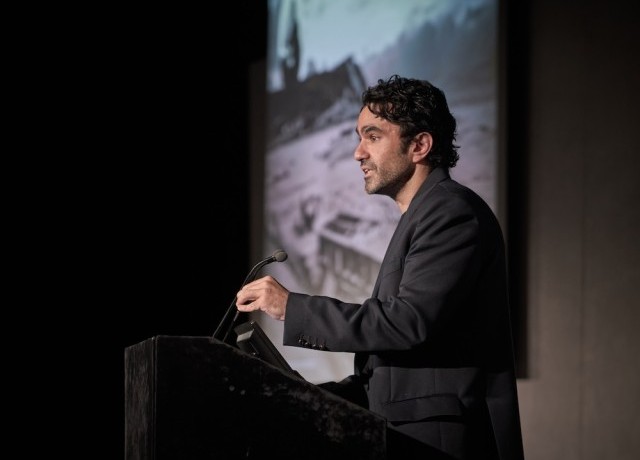
Keynote summary: Agile health: Making the case for social medicine by design
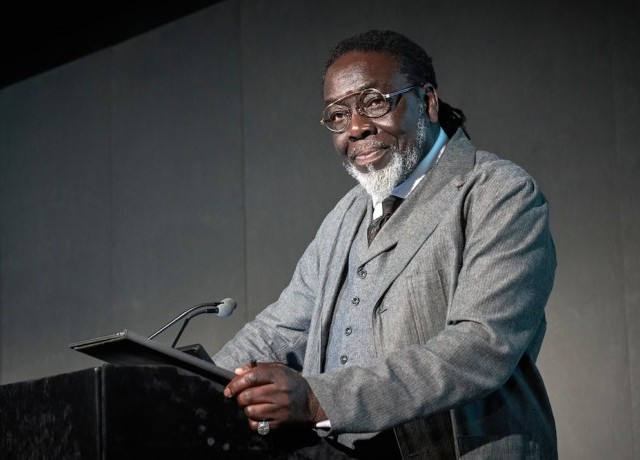
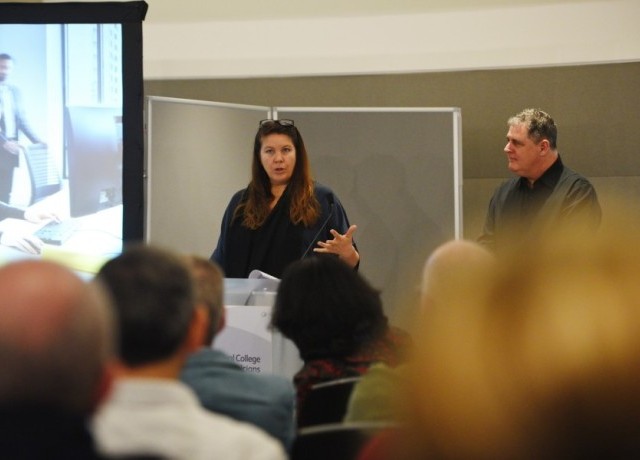
Healthcare systems should be redesigned around people’s lived realities rather than around institutions and administrative structures, Dr Andrew Boozary told delegates at EHD2026 in a presentation titled ‘Agile health: Social medicine by design’.
Drawing on international examples and emerging models of care, Boozary, an executive director at University Health Network in Canada, argued that health services must become more agile, responsive and integrated if they are to address the complex challenges facing populations today.
Central to his presentation was the concept of social medicine – the idea that health is shaped not only by medical treatment but also by social and economic circumstances. Boozary suggested that healthcare organisations need to move beyond recognising these factors and instead deliberately design services that respond to them. Framing the challenge, he said the work of social medicine is fundamentally about how societies “battle and contend with the pathologies of poverty”.
Drawing on historical and contemporary evidence, Boozary highlighted how traditional models of care often struggle to meet the needs of people facing housing insecurity, poverty, food insecurity and other social barriers. In many cases, he argued, health systems continue to treat the symptoms of these challenges while failing to address their underlying causes. He pointed to longstanding research showing that people can live “10 to 20 years less, purely based on whichever postal code or zip code they were living in”, illustrating the profound impact of social determinants on health outcomes.
Boozary called for a more agile approach that uses data, community partnerships and rapid learning cycles to adapt services to local needs. Rather than relying on large-scale reforms that can take years to implement, he advocated for continuous improvement and innovation at the front line of care. The presentation emphasised the importance of integrating social supports directly into healthcare delivery. Examples included stronger connections between healthcare providers and community organisations, the use of social prescribing, and programmes designed to address patients’ practical needs alongside their clinical treatment.
Several examples demonstrated how healthcare systems can work beyond their traditional boundaries. Boozary described housing initiatives, food support programmes and community health worker models that seek to address the root causes of poor health. He argued that housing, food security and social support should not be viewed as peripheral concerns but as essential components of a healthier population. As he noted, community health workers, peer support programmes and food prescribing initiatives provide the “connective tissue” between hospitals and communities.
Technology also featured prominently in Boozary’s vision. He argued that digital tools and data systems should be used not merely to improve operational efficiency but to identify unmet social needs, target interventions more effectively, and support more equitable access to care. A key message was that agility must be matched by equity. Innovation alone, he warned, is not enough if it fails to reach the populations most affected by poor health outcomes.
Throughout the presentation, he stressed the value of co-design, arguing that patients and communities should be involved in shaping services rather than simply receiving them. This approach, he suggested, can lead to solutions that are more relevant, trusted and effective. Reflecting on successful programmes, Boozary repeatedly emphasised the importance of lived experience in shaping services and ensuring that interventions respond to real needs.
Boozary also challenged healthcare organisations to rethink traditional measures of success. Beyond activity levels and service outputs, he called for greater attention to outcomes that matter to people, including quality of life, social wellbeing and health equity. He highlighted evidence showing substantial reductions in hospital use when people receive stable housing and wraparound support, arguing that such investments are both more humane and more effective.
The presentation concluded with a vision of healthcare systems that are simultaneously more flexible and more human. By embedding social medicine into the design of services, Boozary contended, health systems can become better equipped to respond to changing needs while tackling the root causes of poor health. Echoing one of his closing themes, he argued that many of today’s challenges are not individual failures but “collective choices”, and that health systems have the agency to make choices that are more equitable, humane and effective.
The result, he suggested, would be a model of care that is not only more efficient but also fairer, more resilient and more closely aligned with the realities of people’s everyday lives.
Presenters
Event news



Actions to improve urban renewal and health equity
2nd September 2024
A vision for Liverpool: Putting people’s health first
2nd September 2024
Investing in urban renewal and health equity
21st March 2024
Health equity: Marmot Cities
20th March 2024