
Keynote summary: Braver, not bigger: Call for a new vision of health rooted in communities
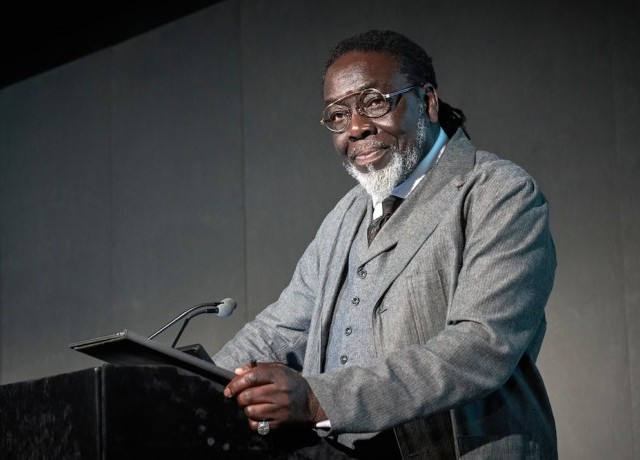
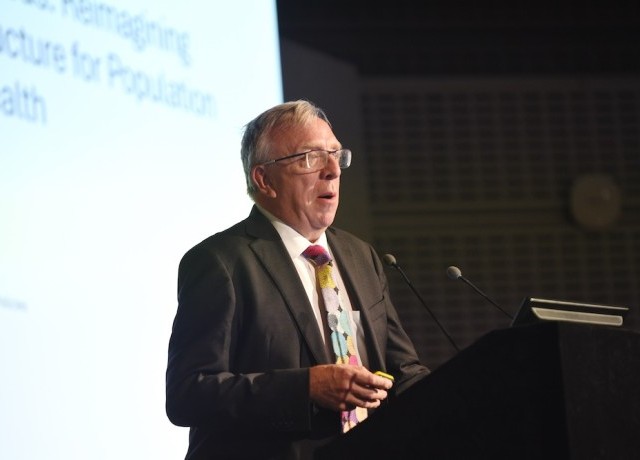
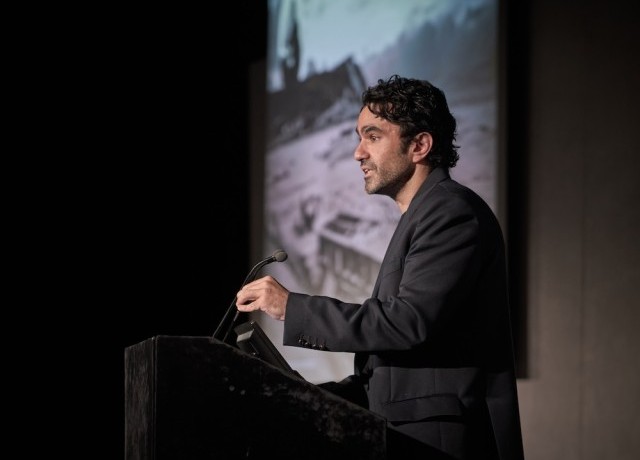
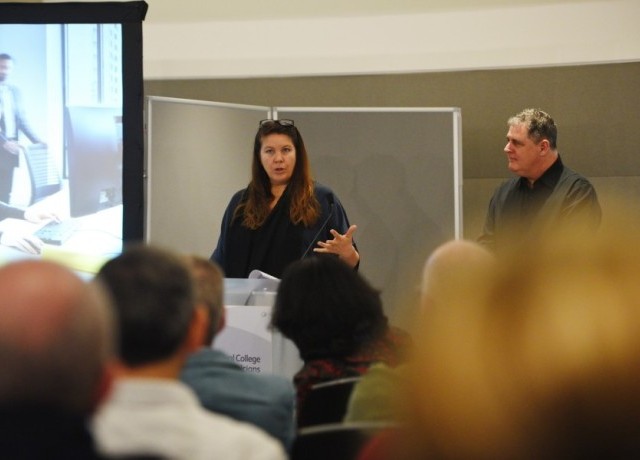
Health systems must move beyond a decades-long obsession with scale, structure and organisational reform and instead embrace a more courageous vision focused on people, communities and prevention, Lord Victor Adebowale CBE told delegates in a keynote address at EHD2026 titled ‘Braver not bigger: A new vision for health’.
Speaking to an audience of health leaders and policymakers, Lord Adebowale, chair of the Health Alliance, argued that many of the biggest challenges facing modern healthcare cannot be solved simply by creating larger organisations or expanding existing services. Instead, he called for a fundamental shift in thinking about how health is created and sustained. As he put it during the session, “bigger is not braver” and health systems must stop searching for “the one big uniform answer” and instead design for the specific needs of communities.
At the centre of his message was the idea that health outcomes are shaped far more by social, economic and environmental conditions than by clinical interventions alone. While healthcare services remain essential, he suggested that policymakers must pay greater attention to the factors that determine whether people become ill in the first place, including housing, employment, education and community connections.
Lord Adebowale challenged what he described as a tendency within health systems to focus on managing illness rather than creating health. He argued that rising demand, widening inequalities and growing financial pressures require a different response – one that prioritises prevention, strengthens local communities and empowers citizens as active partners in their own wellbeing. Reflecting this shift, he observed that “the best hospital visit is the one that never had to happen”, arguing that the true goal of a health system should be to reduce the need for hospital care through prevention and earlier intervention.
The keynote highlighted the growing gap between medical advances and population health outcomes. Despite innovations in treatment and technology, many communities continue to experience poorer health and shorter life expectancy. According to Lord Adebowale, these disparities reflect deeper structural inequalities that cannot be addressed through healthcare services alone. He noted that “the measure of a great health system is not the size of its hospitals or indeed the number of them; it is how few of us ever need to walk through the doors at all”.
A recurring theme throughout the speech was the need for courage in leadership. Lord Adebowale suggested that genuine transformation requires leaders to move beyond organisational boundaries and work collaboratively across sectors. He called for stronger partnerships between health services, local government, voluntary organisations and community groups, arguing that solutions are more likely to emerge from collective action than from institutional expansion. He pointed to emerging models that are “designed to rebuild community and wellness, and not just defend against illness”.
The measure of a great health system is not the size of its hospitals or indeed the number of them; it is how few of us ever need to walk through the doors at all


He also emphasised the importance of trust and community participation. Rather than designing services for people, he argued, health systems should increasingly design them with people, ensuring that communities play a central role in shaping priorities and solutions. Drawing on examples of community-led approaches, he suggested that when people are presented “with a vision of what’s better, and what their role is in being better, they’ll take it every day”.
The address came against a backdrop of mounting pressures on health systems internationally, including workforce shortages, financial constraints and growing demand for care. Lord Adebowale warned that simply expanding existing models of service delivery would be insufficient to meet future needs. Instead, he urged delegates to adopt a broader understanding of health – one that recognises the value of social relationships, community assets and local resilience. Echoing the wider NHS shift toward neighbourhood health, he argued that “the future is smaller – more community, closer to home”. Such an approach, he said, would not only improve outcomes but also help create more sustainable health systems.
Concluding, Lord Adebowale challenged healthcare leaders to think differently about success. The future of health, he suggested, will depend less on building bigger institutions and more on creating the conditions in which people and communities can thrive.
Presenters
Event news



Actions to improve urban renewal and health equity
2nd September 2024
A vision for Liverpool: Putting people’s health first
2nd September 2024
Investing in urban renewal and health equity
21st March 2024
Health equity: Marmot Cities
20th March 2024