
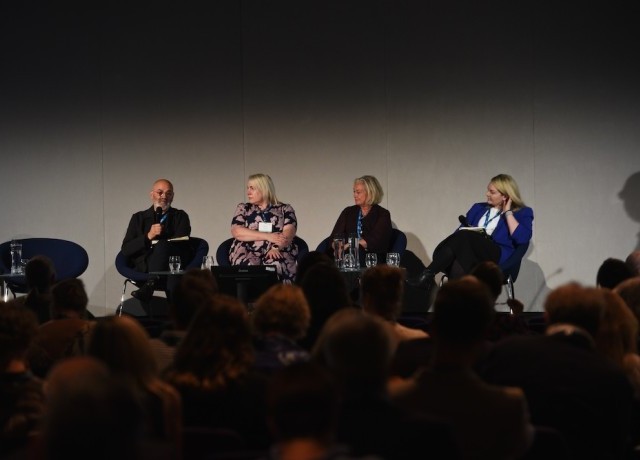
Neighbourhood health needs new partnerships, new places and new thinking
A panel of healthcare leaders, estate specialists and placemaking experts at the European Healthcare Design 2026 Congress argued that the success of neighbourhood health will depend as much on communities, local economies and the built environment as on healthcare services themselves.
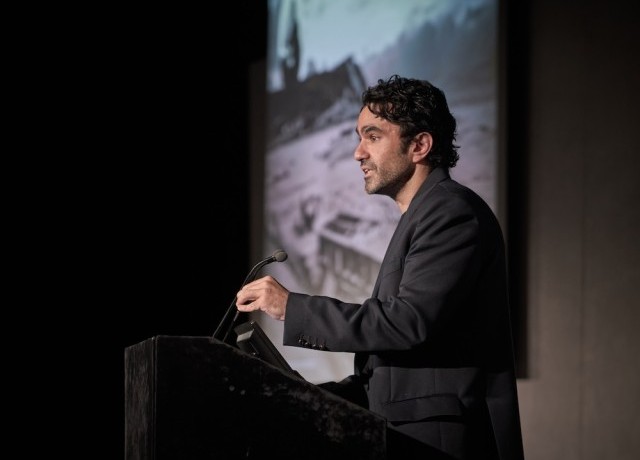
Chaired by Max Farrell, founder of LDN Collective and chair of the Healthy City Design Congress, the discussion explored how healthcare systems can deliver the shift from hospital-based treatment to prevention, community care and digital services.
Farrell framed the debate around a wider transformation already taking place in towns and cities. High streets are evolving from places focused on retail transactions to centres of experience, social connection and community activity, while growing awareness of the links between health, housing, transport, green space and placemaking is changing expectations of healthcare delivery.
Sarah Beaumont-Smith, chair of the Neighbourhood Health Forum, commented how successful neighbourhood health systems begin not with buildings but with understanding local needs. She described neighbourhoods as places where most health and community needs can be met through a combination of primary care, community services, local authorities and voluntary organisations.
Drawing on experience from nearly 25 years of community healthcare developments, she argued that buildings should act as enablers rather than drivers of service models. Flexibility is critical because community needs change over time, but equally important is having dedicated people responsible for ensuring facilities continue to evolve and support collaboration between services.
“Where there is someone championing the building and bringing together the third sector, looking at where the space could be used better, it works really well,” she said.
Former NHS trust and integrated care board chief executive Kate Shields argued that while the NHS may not yet be fully ready for a neighbourhood health model, communities are. She suggested healthcare organisations often approach health through the lens of illness and treatment, whereas communities think much more broadly about wellbeing and quality of life.
“The NHS needs to listen more than it speaks,” she said, stressing the importance of community engagement and designing services around what people actually want rather than what institutions assume they need.
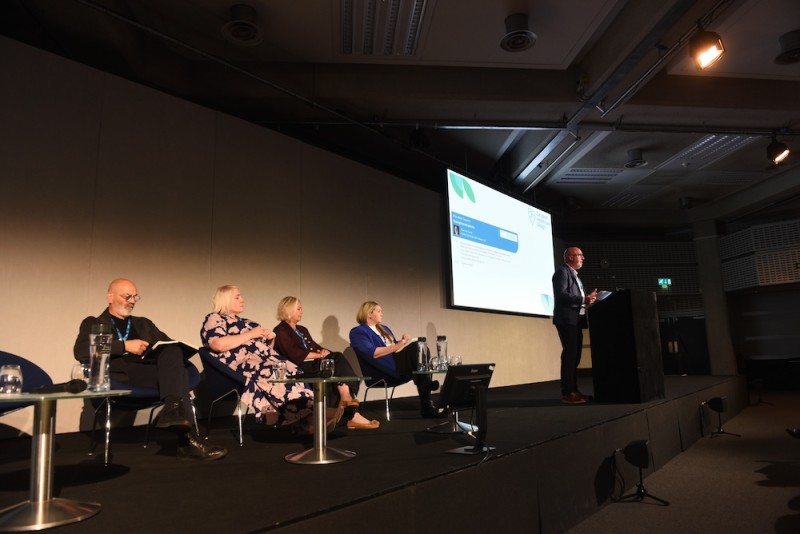 HCD chair Max Farrell introduces a panel of experts to explore the challenges, mechanics and opportunities for neighbourhood health
Fiona Daly, national deputy director of estates at NHS England, said delivering neighbourhood health requires a fundamental rethink of healthcare buildings. She argued that future facilities should be designed as long-life, flexible community assets rather than traditional healthcare premises.
Daly advocated co-locating services such as Citizens’ Advice, social enterprises and community organisations alongside healthcare functions, helping to address wider social determinants of health. She also warned against value-engineering out features such as green spaces, social areas and community facilities, arguing that these elements often generate significant long-term health benefits despite being viewed as non-essential during construction. “We need to make the economic case for prevention much more strongly,” she said.
A recurring theme was the growing role of high streets and town centres as locations for healthcare services. Ibrahim Ibrahim, managing director of Portland Design and chair of the Radix Big Tent Commission on Health on the High Street, argued that healthcare should be viewed as part of a wider “health and wellness neighbourhood” rather than as a standalone health hub.
He highlighted the example of Barnsley, where a healthcare hub and community diagnostic centre were established within a struggling shopping centre. The development attracted significant footfall, generated additional retail spending, improved property values and helped revitalise the wider town centre.
The project demonstrated how healthcare can become a catalyst for economic regeneration while simultaneously improving access to services and reducing pressure on hospitals.
Where there is someone championing the building and bringing together the third sector, looking at where the space could be used better, it works really well


Panel members agreed that stronger collaboration between healthcare providers, local authorities, developers, investors and community organisations will be essential. Several speakers argued that social value and commercial value should be viewed as complementary rather than competing objectives.
A key challenge identified throughout the discussion was funding. Beaumont-Smith argued that financial incentives must be aligned with the desired outcomes of neighbourhood health, while Shields said healthcare leaders must be willing to reform funding models that continue to reward activity rather than better outcomes.
In closing, panellists identified several priorities for the next five years: reforming funding mechanisms, demonstrating stronger leadership commitment, creating greater accountability, and bringing together stakeholders from across healthcare, local government, property and investment sectors.
Despite the challenges, the panel expressed optimism that growing pressures on healthcare systems, changing public expectations and new opportunities for community-based care are creating momentum for a genuine shift towards neighbourhood health.
Presenters

Organisations involved

Event news
Actions to improve urban renewal and health equity
2nd September 2024
A vision for Liverpool: Putting people’s health first
2nd September 2024
Investing in urban renewal and health equity
21st March 2024
Health equity: Marmot Cities
20th March 2024