From hyperturbulence to hope: Creating a healthy society
Lord Nigel Crisp argues that creating a healthy society should become our shared national ambition. He explores how health, education, employment, the economy and the environment can be aligned around human values, empowering communities and building a more resilient, equitable and prosperous future.
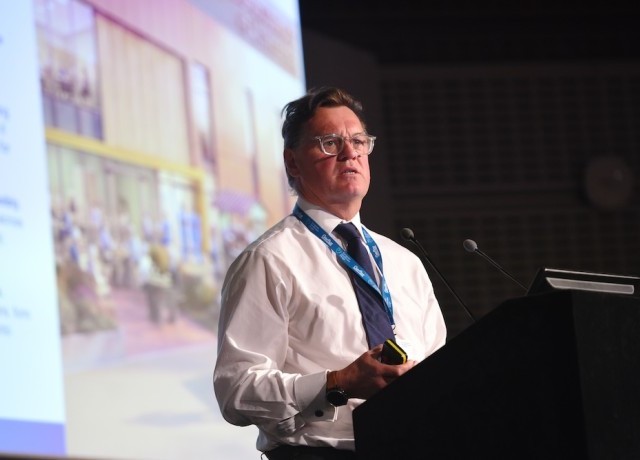
In his keynote address, Lord Crisp argued that the ideas needed to build a healthier society were already emerging through local initiatives in health, education and the built environment. The challenge was to help those ideas flourish and reshape systems that too often worked against them.
For planners, architects and policymakers, this means looking beyond the delivery of individual buildings to consider how places support relationships, opportunity and meaningful lives.
Lord Crisp challenged the narrowing of planning’s role to processing applications and absorbing blame for slow development. Recalling the ambition behind the garden cities movement in the early 20th century, he called for renewed purpose and vision in shaping the places where people live.
His argument formed part of a wider appeal for public and private organisations to adopt a shared goal: creating a healthy society that works for everyone. Such a society, he explained, should be judged by more than individual health outcomes. It should also provide effective education, housing and employment, protect democratic participation and the rule of law, and sustain the natural systems on which people depend. Crucially, its success should be judged by its members themselves.
He described the current period as one of “hyperturbulence”, with climate change, conflict, migration and technological upheaval occurring alongside political failures and growing disadvantage. Yet he also found grounds for optimism in people developing practical responses outside established structures.
In health, he highlighted social prescribing, community health and wellbeing workers, and initiatives bringing together local organisations involved in activities ranging from music to environmental projects.
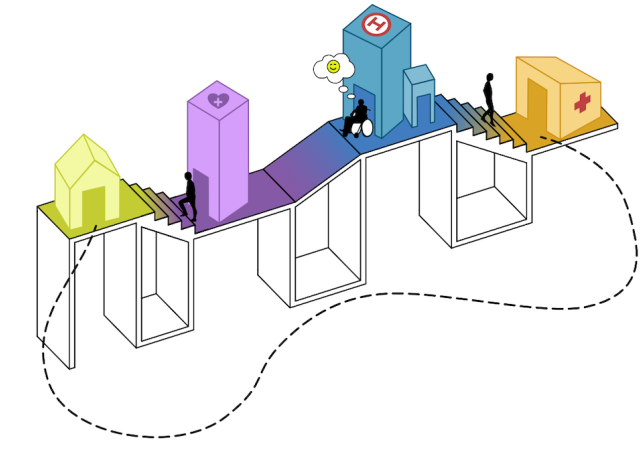
These approaches illustrated a shift towards prevention and health creation, supported by stronger relationships within communities. Hospitals and specialist treatment remained essential, he stressed, but there needed to be a more developed network of care and support closer to people’s homes.
The same thinking applied to the built environment: providing houses was necessary, but creating communities required a broader understanding of people’s lives.
For Congress delegates, his message was that healthier places did not depend on waiting for an entirely new set of ideas. Many were already being tested by people like those in the room and beyond.
The task is to recognise their potential, support their development, and make them part of everyday practice.
Presenters

Event news
The road to 2027: The next Healthy City Design destination
11th November 2026
Building for a healthy life: Simple principles for better places
11th November 2026
The societal cost of unhealthy urban development
19th December 2024