Prototyping the high street integrated care hub (HICH)
Abstract
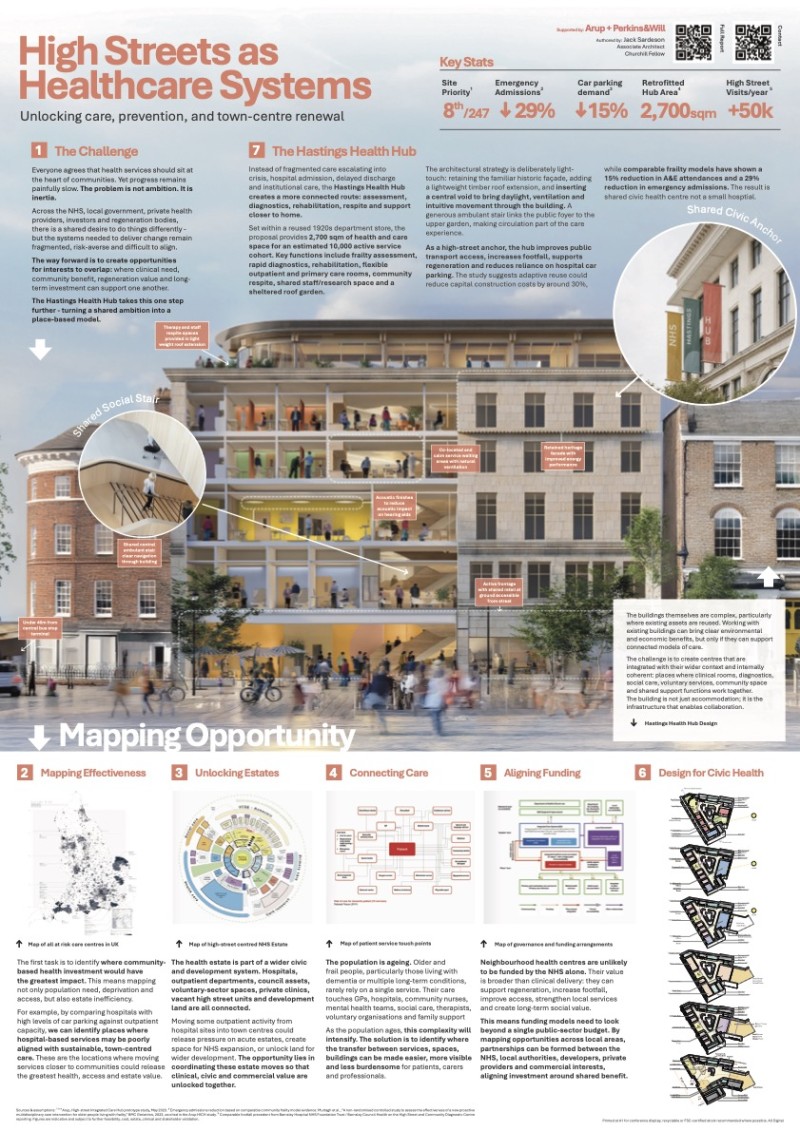
The NHS is under pressure to shift care closer to home while reducing carbon and capital burden. This paper tests the hypothesis that “retrofit-first” high-street integrated care hubs can simultaneously support integrated neighbourhood care, unlock capacity in acute estates, and contribute to place-based regeneration.
Methodology: Using an ecosystem-oriented design research methodology, the study triangulates (i) national health, deprivation and accessibility datasets; (ii) local policy and asset intelligence; and (iii) multidisciplinary workshops with local authority, integrated care board and subject-matter experts. The approach is then stress-tested through a real-site prototype: repurposing a 1920s department store on Hastings High Street into a c.2,700 sqm high-street integrated care hub (HICH) consolidating primary, community, mental health, VCSE and diagnostics functions.
Results: The research defines the HICH as a typology consolidating out-of-hospital day services across health, social care, primary care, VCSE and research into a single, town-centre “one-stop shop” delivered through adaptive reuse. The resulting prototype sets out a c.2,700 sqm facility, including multidisciplinary frailty assessment, co-located diagnostics, rehabilitation, outpatient/primary care consultation, community respite, shared staff/research space and a restorative garden. Ecosystem mapping demonstrates how relocating selected outpatient/frailty activity can relieve acute-site pressure while capitalising on existing town-centre transport and civic networks – an estates logic that directly supports the intended “hospital to community” shift.
Conclusions and implications: Reuse-led HICH prototyping offers a replicable method for translating national integration ambitions into feasible architectural propositions that are legible to integrated care boards and local planning authorities. It is particularly timely given the Government’s neighbourhood health programme (service co-location under one roof, extended access) and the draft NPPF’s strengthened direction of travel on retrofit and reactivation of under-used buildings – together creating a policy window for high-street healthcare reuse as both a care and carbon strategy.
Learning objectives
- retrofit-first
- neighbourhood health centres
- health estate strategy
Presenters

Event news
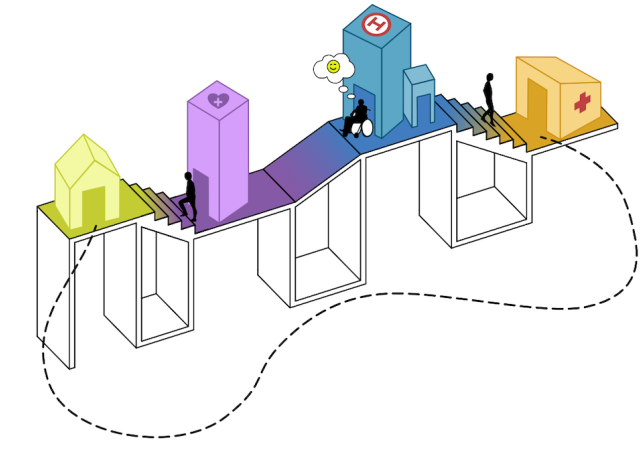


Glasgow’s new front door – Parkhead Integrated Health and Care Hub
2nd November 2026
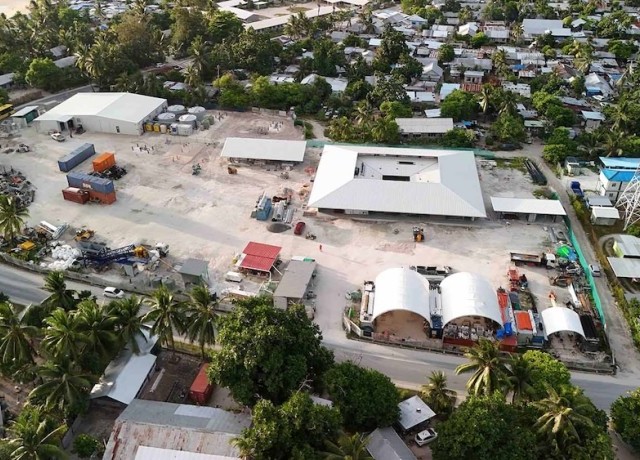
Agile health: Social medicine by design
2nd November 2026
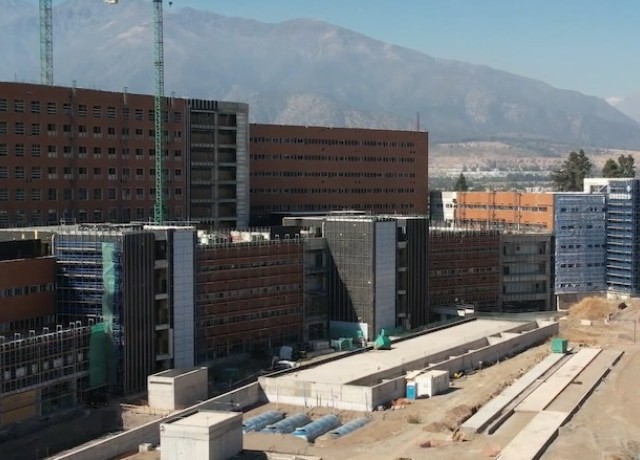
Braver not bigger: A new vision for health
2nd November 2026